 June 2026 in “Reproduction and Fertility”
 PCOS involves microbiome and immune system issues, not just hormones.
January 2026 in “British Journal of Dermatology” The ATP assay can measure skin microbiome changes and recovery, with ethanol-treated skin taking longer to recover than tape-stripped skin.
 November 2025 in “Journal of Pioneering Medical Science”
 Dietary interventions improved hair density and reduced dandruff by balancing scalp microbiota and reducing inflammation.
December 2025 in “Cosmetics” Gut bacteria differences could help diagnose and treat alopecia areata.
72 citations
,
July 2022 in “Frontiers in Systems Biology” Modern lifestyles harm beneficial microbes, affecting health.
2 citations
,
February 2024 in “International journal of molecular sciences” Gut health affects skin diseases, and probiotics might help.
11 citations
,
October 2024 in “International Journal of Molecular Sciences” Psoriasis patients have different skin bacteria, which may cause flare-ups.
Unhealthy lifestyle habits may worsen hair loss by affecting scalp bacteria.
 5 citations
,
June 2024 in “Cureus”
5 citations
,
June 2024 in “Cureus” PCOS is linked to changes in vaginal bacteria, with fewer good bacteria and more harmful ones.
 May 2026 in “Microorganisms”
 Herbal extract shampoo improves scalp health and hair growth in seborrheic alopecia.
Changes in gut and skin bacteria are linked to different hair loss conditions, and treatments like fecal transplants and probiotics might help, but more research is needed.
 February 2026 in “International Journal of Web of Multidisciplinary Studies”
 Restoring microbial balance and using exosome therapies may help treat hair disorders like alopecia and acne.

Microbial imbalances on the scalp can help diagnose and manage hair loss early.
January 2025 in “Dermatology Research and Practice” Restoring skin microbial balance may help treat acne.
 October 2025 in “Progress In Microbes & Molecular Biology”
 PCOS is linked to gut bacteria changes, suggesting gut-focused treatments might help.
2 citations
,
June 2025 in “Biomolecules” Microbiome analysis, BEVs, and AI can improve PCOS diagnosis and treatment.
 2 citations
,
May 2022 in “Cosmetics”
2 citations
,
May 2022 in “Cosmetics” Further research is needed to understand how the microbiome affects hair loss in Alopecia Areata.
April 2026 in “Clinical Cosmetic and Investigational Dermatology” Androgenetic alopecia involves a fungal imbalance in hair follicles, suggesting potential for microbiome-targeted treatments.
July 2025 in “Journal of Investigative Dermatology” Reduced AhR signaling in HS tunnels leads to persistent inflammation and microbial imbalance.
 September 2020 in “Journal of Investigative Medicine”
 Omics techniques are needed to understand the scalp microbiome's role in alopecia areata for new treatments.
November 2025 in “Dermato” The skin microbiome is crucial for skin health and new treatments like probiotics can improve skin conditions.
 January 2025 in “Universidad de Córdoba Insitutional Repository (Universidad de Córdoba)”
 An imbalanced scalp microbiome may worsen alopecia areata severity and inflammation, but treatment can partially restore balance.
March 2024 in “Nutrients” Alopecia Areata is linked to specific gut bacteria and metabolites, indicating a complex gut microbiome.
3 citations
,
June 2025 in “Biomedicines” Gut bacteria may influence hair loss in alopecia areata.
114 citations
,
February 2023 in “International Journal of Molecular Sciences” The skin microbiome is crucial for skin health, and more research is needed to explore its role and potential treatments.
 82 citations
,
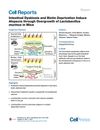
August 2017 in “Cell Reports”
82 citations
,
August 2017 in “Cell Reports” An imbalanced gut and lack of biotin can cause hair loss in mice.
 15 citations
,
April 2020 in “Intestinal Research”
15 citations
,
April 2020 in “Intestinal Research” FMT for ulcerative colitis may also help with weight loss, hair loss, arthritis, and allergies.
4 citations
,
October 2021 in “Microorganisms” Men with androgenetic alopecia have different scalp oils and microbes compared to those without.
 3 citations
,
January 2021 in “Actas Dermo-Sifiliográficas”
3 citations
,
January 2021 in “Actas Dermo-Sifiliográficas” The document concludes that changing the scalp's microbiome might be a new way to treat hair loss.
 June 2026 in “Revista Brasileira de Saúde”
 The scalp microbiome may be a key factor in treating hair loss.