 1 citations
,
October 2022 in “Dermatology practical & conceptual”
1 citations
,
October 2022 in “Dermatology practical & conceptual” Isolated patchy heterochromia with pili annulati can occur without other health issues.
 January 2026 in “International Journal of Advanced Biochemistry Research”
 The dog improved significantly after treatment and needs lifelong thyroid medication.
6 citations
,
April 2012 in “PubMed” Enteral supplements can improve symptoms of Cronkhite-Canada syndrome.
 3 citations
,
November 2020 in “Cleveland Clinic Journal of Medicine”
3 citations
,
November 2020 in “Cleveland Clinic Journal of Medicine” Eyelash loss can be a sign of thyroid problems.
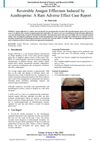 May 2025 in “International Journal of Science and Research (IJSR)”
 Stopping azathioprine led to full hair regrowth and recovery in 2.5 months.
 March 2024 in “IP Indian journal of clinical and experimental dermatology”
 Giant solitary trichoepithelioma is a rare, usually non-cancerous hair follicle tumor that can sometimes turn into skin cancer.
 72 citations
,
October 2010 in “Journal of The American Academy of Dermatology”
72 citations
,
October 2010 in “Journal of The American Academy of Dermatology” Iron deficiency common in women, not always linked to hair loss; more research needed.
16 citations
,
November 2003 in “Journal of the American Academy of Dermatology” Iron therapy cured the boy's hair color issue.

Oral iron therapy may help reduce hair loss in iron-deficient women.
 124 citations
,
August 1990 in “British Journal of Dermatology”
124 citations
,
August 1990 in “British Journal of Dermatology” Diffuse alopecia in women may be related to androgens and iron deficiency, and basic hormone and nutrient screening is useful.
2 citations
,
August 2024 in “Molecular Genetics & Genomic Medicine” Biotin mega-dose therapy led to dramatic improvement in a newborn with a rare metabolic disorder.
1 citations
,
February 2014 in “Italian journal of medicine” An 80-year-old woman with Cronkhite-Canada syndrome had multiple polyps and symptoms like diarrhea, hair loss, nail issues, and dark skin.
18 citations
,
November 2009 in “Calcified tissue international” A genetic mutation caused severe rickets and alopecia in an Indian patient, but high-dose calcium and phosphate treatment improved their condition.
April 2014 in “The FASEB Journal” Iron deficiency in mothers causes hair loss in their baby mice.
December 2019 in “The American Journal of Gastroenterology” Small bowel lesions in Cronkhite-Canada syndrome persist despite steroid treatment.
23 citations
,
March 1998 in “BMJ” Haemochromatosis can cause infertility by affecting hormone glands.
January 2019 in “Zenodo (CERN European Organization for Nuclear Research)” Diffuse hair loss in women is often linked to anemia, thyroid issues, and conditions like polycystic ovarian disease.
March 1986 in “Fed. Proc., Fed. Am. Soc. Exp. Biol.; (United States)” Marginal dietary zinc intake in rats led to weight loss and hair issues, but no significant changes in blood fractions.
49 citations
,
July 1994 in “British journal of dermatology/British journal of dermatology, Supplement” Some children with methylmalonic and propionic acidaemias have skin problems related to their condition and diet.
63 citations
,
January 1971 in “Acta Medica Scandinavica” Replenishing iron after phlebotomy can cause relapse in porphyria cutanea tarda.
 November 2024 in “Malaysian Journal of Microbiology”
 Patients with thyroid disorders show different symptoms and antibody levels.
The treatment was not recommended due to limited effectiveness and significant side effects.
January 2025 in “Genetics in Medicine Open” Biotinidase deficiency can mimic neuromyelitis optica and should be considered for accurate diagnosis and treatment.
September 2007 in “The American Journal of Gastroenterology” Cronkhite-Canada syndrome causes chronic diarrhea and has a poor prognosis despite treatment.
 2 citations
,
January 1997 in “Journal of Clinical Biochemistry and Nutrition”
2 citations
,
January 1997 in “Journal of Clinical Biochemistry and Nutrition” Biotin deficiency causes severe hair loss and weight reduction in germ-free mice.
August 2012 in “ScholarSpace (University of Hawaii at Manoa)” Certain symptoms can help predict iron deficiency in college-age individuals.
1 citations
,
July 2017 in “PubMed” Two patients with Cronkhite-Canada syndrome achieved remission after treatment.
 4 citations
,
July 2014 in “International Journal of Dermatology”
4 citations
,
July 2014 in “International Journal of Dermatology” Twins had rare skin cysts likely due to genetics.
 2 citations
,
September 2002 in “Journal of Endocrinological Investigation”
2 citations
,
September 2002 in “Journal of Endocrinological Investigation” The GH-IGF-I axis is likely involved in the hormonal imbalances seen in non-obese women with functional hyperandrogenism.
 October 2023 in “Research Review”
 Some skin tumors from hair follicles and glands can be linked to genetic syndromes and may be benign or malignant.