 10 citations
,
August 2015 in “Journal of Cosmetic Dermatology”
10 citations
,
August 2015 in “Journal of Cosmetic Dermatology” Successful eyebrow restoration can be done using careful hair transplant techniques and choosing the right patients.
March 1996 in “Hair transplant forum international”  2 citations
,
November 2007 in “Hair transplant forum international”
2 citations
,
November 2007 in “Hair transplant forum international” The conclusion is that hair transplant surgery should use microscopically dissected natural hair groupings and some new terms were suggested for clarity.
 10 citations
,
May 2014 in “Facial Plastic Surgery”
10 citations
,
May 2014 in “Facial Plastic Surgery” Hair transplantation using PLFUT is effective for eyebrow restoration with natural-looking results and no scarring.
 3 citations
,
December 2008 in “The American Journal of Cosmetic Surgery”
3 citations
,
December 2008 in “The American Journal of Cosmetic Surgery” Hair transplantation has evolved to refined techniques like FUE and FUT, with Finasteride and Minoxidil as the only other proven treatments for hair loss.
 1 citations
,
May 2018 in “Hair transplant forum international”
1 citations
,
May 2018 in “Hair transplant forum international” Hair transplant techniques and scalp micropigmentation can effectively hide scars and hair loss after cranial surgery.
 3 citations
,
April 2020 in “Facial Plastic Surgery Clinics of North America”
3 citations
,
April 2020 in “Facial Plastic Surgery Clinics of North America” Beard hair transplantation is generally satisfying, requires 250-800 grafts, uses FUE to avoid scars, needs careful planning, has some risks, and hair regrowth starts after 4-6 months.
 5 citations
,
May 2005 in “Seminars in Plastic Surgery”
5 citations
,
May 2005 in “Seminars in Plastic Surgery” Hair transplantation using micrografts and minigrafts is effective and safe for facial and scalp reconstruction with natural-looking results.
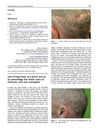 10 citations
,
May 2012 in “Journal of Plastic Reconstructive and Aesthetic Surgery”
10 citations
,
May 2012 in “Journal of Plastic Reconstructive and Aesthetic Surgery” Beard hair can effectively hide hair transplant scars.
 8 citations
,
March 2006 in “Seminars in Cutaneous Medicine and Surgery”
8 citations
,
March 2006 in “Seminars in Cutaneous Medicine and Surgery” Hair transplantation has improved to look more natural, but managing patient expectations and using precise techniques are key for the best outcomes.
November 2025 in “Turkish Journal of Dermatology” FUE technique offers higher satisfaction and broader use for women needing hair transplants.
May 2022 in “Journal of Asia Pacific Aesthetic Sciences” Newer techniques like FUE and SMP reduce scarring in hair transplants.
3 citations
,
February 2024 in “Journal of Medicine and Life” FUE is an effective method for restoring hair and improving quality of life after burns.
 June 2002 in “Seminars in Cutaneous Medicine and Surgery”
 Hair transplantation has improved to more natural-looking results and is complemented by effective non-surgical treatments, with ongoing research into hair follicle cloning.
1 citations
,
January 2010 in “Springer eBooks” Hair cloning could solve the problem of limited donor hair in transplants.
 18 citations
,
May 2016 in “Aesthetic Surgery Journal”
18 citations
,
May 2016 in “Aesthetic Surgery Journal” Body hair transplantation is an effective method for restoring hair in people with severe baldness and limited scalp donor hair.
 June 2025 in “Medical alphabet”
 The HFE hair transplant method is effective, safe, and provides natural-looking results with quick recovery for men with hair loss.
 1 citations
,
January 1998 in “Seminars in Plastic Surgery”
1 citations
,
January 1998 in “Seminars in Plastic Surgery” Hair transplantation using micro- and minigraft megasessions is safe, effective, and provides natural results with high patient satisfaction.
 July 2008 in “Expert Review of Dermatology”
 Proper planning for hair transplants is crucial for natural results, with careful patient selection and strategic graft placement being key factors.
January 2024 in “Surgical & Cosmetic Dermatology” Hair transplants can help transgender individuals match their appearance with their gender identity.
 2 citations
,
September 2007
2 citations
,
September 2007 Surgical hair restoration involves moving hair from a non-balding area to a balding area, with the transplanted hair not subject to male pattern baldness. Medications can slow hair loss and regrow some hair, but successful treatment needs careful planning, skill, and ethical responsibility due to progressive hair loss and limited donor hair.
October 2025 in “Clinical Cosmetic and Investigational Dermatology” Staged hair transplantation on free flaps effectively restores hair and improves satisfaction for patients with scalp reconstruction.
 November 2025 in “Indian Journal of Plastic Surgery”
 The FUET method improves hair transplant precision and outcomes by combining FUT and FUE techniques under a surgeon's control.
 1 citations
,
January 2010 in “Elsevier eBooks”
1 citations
,
January 2010 in “Elsevier eBooks” Follicular Unit Hair Transplantation is a method for restoring hair by transplanting individual hair follicles.
 November 2018 in “Springer eBooks”
 The document concludes that specialized hair transplant techniques can be effective, with varying success rates depending on the donor area and patient factors.
October 2022 in “Hair Transplantation” FUE is popular due to no linear scar, but choice depends on personal preference and specific factors.
 January 2010 in “Springer eBooks”
 Pubic hair transplantation can help women with little to no pubic hair, using scalp hair for a natural look and requires careful aftercare.
January 2020 in “Journal of Womens Health, Issues and Care” Scalp micropigmentation is a successful, non-surgical way to make hair look fuller.
May 2025 in “Arquivos Catarinenses de Medicina” Fat micrografting improves hair transplant success in burn-related hair loss.
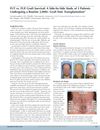 13 citations
,
September 2018 in “Hair transplant forum international”
13 citations
,
September 2018 in “Hair transplant forum international” FUE and FUT hair transplants have similar success rates, with FUE slightly better.