 January 2026 in “Drug Delivery and Translational Research”
 Multicomponent crystals in microneedles improve drug delivery for hair loss treatment.
 July 2023 in “Clinical dermatology review”
 Intralesional triamcinolone acetonide is better than PRP for treating scalp alopecia areata, leading to faster and more complete hair regrowth.
4 citations
,
December 2024 in “Archives of Dermatological Research” February 2023 in “Journal of Cosmetic Dermatology” Combining microneedling with either vitamin D3 or bimatoprost improves hair regrowth more than microneedling alone.
January 2026 in “International Journal of Medical and All Body Health Research” PRP is safer and has a lower relapse rate than TAC for treating alopecia areata.
New treatments for skin diseases in 1979 showed promising results with fewer side effects.
July 2025 in “International Journal of Biological Macromolecules” A new microneedle system effectively delivers finasteride to treat hair loss.
TrichoSol™ effectively stabilizes various hair treatment ingredients for different durations.
80 citations
,
June 2012 in “European Journal of Pharmaceutics and Biopharmaceutics” Nanoparticles improve drug delivery and effectiveness in treating inflamed skin.
May 2024 in “Journal of Pakistan Association of Dermatologists” Calcipotriol is better than tacrolimus for hair growth in alopecia areata.
1 citations
,
May 2024 in “Journal of Pakistan Association of Dermatologists” Calcipotriol is better than tacrolimus for hair growth in alopecia areata.
9 citations
,
December 1977 in “Archives of Dermatology” Systemic steroids can effectively treat alopecia areata with manageable side effects.
January 2019 in “Egyptian Journal of Dermatology and Venereology /Egyptian Journal of Dermatology and Venerology” Mixing calcipotriol with a steroid is almost as effective as using a steroid alone for alopecia areata and has fewer side effects.

TCA injections are more effective and safer than cryotherapy for treating alopecia areata.
January 2014 in “European Journal of Dermatology” A method was found to visualize hair regrowth and avoid unnecessary side effects from treatments.
51 citations
,
May 2008 in “Mycoses” Terbinafine HCl nail solutions with DDAIP HCl are more effective than current treatments for nail infections.
 May 2015 in “Journal of The American Academy of Dermatology”
 Both azathioprine and betamethasone treatments help with hair regrowth in alopecia areata, but azathioprine may have fewer side effects.
 22 citations
,
March 1963 in “Archives of dermatology”
22 citations
,
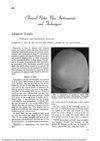
March 1963 in “Archives of dermatology” A woman regrew her hair significantly using a corticosteroid cream with a plastic cover.
 April 2017 in “Journal of Investigative Dermatology”
 Triptolide effectively and safely reduces actinic keratosis lesions in mice.
1 citations
,
June 2011 in “Journal of Dermatological Case Reports” Shaving and applying erythromycin cream and clotrimazole powder effectively treated trichomycosis axillaris.
July 2026 in “Journal of Drug Delivery Science and Technology” December 2025 in “JEADV Clinical Practice” These new skin treatments are safer and more effective with minimal side effects.
 1 citations
,
July 2018 in “Journal of dermatology & cosmetology”
1 citations
,
July 2018 in “Journal of dermatology & cosmetology” Hyaluronic acid successfully treated skin atrophy caused by corticosteroid injections.
9 citations
,
September 2019 in “Clinical Cosmetic and Investigational Dermatology” Cal/BD aerosol foam effectively treats scalp psoriasis, improving symptoms and patient satisfaction.
Cyclosporine is more effective than betamethasone for treating alopecia areata, despite mild side effects.
July 2022 in “Journal of Cosmetic Dermatology” Isotretinoin with tacrolimus may be more effective short-term for treating frontal fibrosing alopecia than finasteride with tacrolimus.
4 citations
,
July 2023 in “Journal of Cosmetic Dermatology” Adapalene microemulsions improve drug delivery through hair follicles, enhancing acne treatment.
 March 2025 in “Pakistan Journal of Health Sciences”
 Intralesional steroids improve Alopecia Areata, and trichoscopy effectively tracks this improvement.
33 citations
,
November 2020 in “AAPS PharmSciTech”  4 citations
,
January 2022 in “Yonsei Medical Journal”
4 citations
,
January 2022 in “Yonsei Medical Journal” Microneedles are a promising method for drug delivery, offering efficient and convenient alternatives with fewer side effects.