1 citations
,
March 2017 in “Semina Ciências Agrárias” Hunting wild boar can cause fungal infections in dogs.
A red fox with skin lesions was cured of a fungal infection after treatment.
 April 2026 in “Ankara Üniversitesi Veteriner Fakültesi Dergisi”
 Mueller-Hinton Agar is better for testing antifungal susceptibility in Microsporum canis and Nannizzia gypsea.
 December 2025 in “Journal of Mycology and Infection”
 Griseofulvin effectively treats tinea capitis in infants.
 July 2025 in “Veterinarski arhiv”
 About 32.5% of stray cats in Bogor have a skin infection called Microsporum canis.
 June 2025 in “ARSHI Veterinary Letters”
 The cat's skin condition improved and hair regrew after antifungal treatment.
 May 2025 in “Scholars Journal of Medical Case Reports”
 A 10-year-old boy's scalp infection was cured with oral medication in two months.
 June 2024 in “Infection and Drug Resistance”
 An adult woman with scalp infection recovered after antifungal treatment, with no return of symptoms.

A rapid screening method using trichoscopy and clinical data can improve diagnosis and treatment of tinea capitis.
 January 2022 in “International Journal of Research Publications”
 Griseofulvin effectively treats tinea capitis caused by Microsporum canis.
2 citations
,
October 1931 in “Archives of Dermatology and Syphilology” A rare scalp infection in a child developed into a kerion with additional skin symptoms.
10 citations
,
May 1991 in “Journal of the American Academy of Dermatology”  143 citations
,
October 2008 in “Journal of The American Academy of Dermatology”
143 citations
,
October 2008 in “Journal of The American Academy of Dermatology” Comma hairs are a specific sign of tinea capitis when viewed with videodermatoscopy.
125 citations
,
May 2010 in “Pediatric dermatology” Systemic treatment is necessary for tinea capitis in children, with griseofulvin preferred for Microsporum infections.
 108 citations
,
March 2011 in “Archives of Dermatology”
108 citations
,
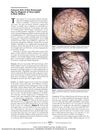
March 2011 in “Archives of Dermatology” Corkscrew hair may be a new sign for quickly diagnosing scalp fungus in black children.
 63 citations
,
November 2009 in “British journal of dermatology/British journal of dermatology, Supplement”
63 citations
,
November 2009 in “British journal of dermatology/British journal of dermatology, Supplement” Sub3 is essential for fungus adherence but not for skin invasion.
52 citations
,
April 2000 in “International Journal of Dermatology” Tinea capitis in Benghazi mainly affects children under 10, with Trichophyton violaceum as the leading cause.
46 citations
,
January 1988 in “PubMed” Hair follicle mites might spread harmful microorganisms.
44 citations
,
January 1957 in “Public Health Reports (1896-1970)” Animal ringworm is common and can spread to humans.
 41 citations
,
January 2011 in “Nippon Ishinkin Gakkai Zasshi”
41 citations
,
January 2011 in “Nippon Ishinkin Gakkai Zasshi” Tinea incognito in Iran commonly affects adults and mimics other skin conditions.
 38 citations
,
July 2010 in “Clinical, cosmetic and investigational dermatology”
38 citations
,
July 2010 in “Clinical, cosmetic and investigational dermatology” To treat tinea capitis in children, oral antifungal medication is necessary, with newer drugs offering shorter treatment times than the traditional griseofulvin.
37 citations
,
October 2010 in “JDDG Journal der Deutschen Dermatologischen Gesellschaft” Griseofulvin is the best treatment for tinea capitis in children, but more research is needed on other treatments and safety.
 36 citations
,
October 2016 in “Medical mycology”
36 citations
,
October 2016 in “Medical mycology” PCR-ELISA is better for identifying the fungus causing scalp infections in Ugandan children than traditional methods.
28 citations
,
January 1999 in “Dermatology” Fluconazole is the preferred treatment for deep skin infections in immunocompromised patients.
24 citations
,
June 2012 in “Journal of Feline Medicine and Surgery” Devon Rex cats with skin issues were successfully treated with antifungal medication.
24 citations
,
July 2009 in “Mycoses” A scalp infection was treated successfully, leading to full hair regrowth.
 24 citations
,
March 1998 in “Mycoses”
24 citations
,
March 1998 in “Mycoses” Early diagnosis and effective treatment of kerion Celsi prevent scarring and permanent hair loss.
 24 citations
,
September 1996 in “Mycoses”
24 citations
,
September 1996 in “Mycoses” Androgenic steroids can slow down or stop the growth of certain skin fungi.
23 citations
,
January 2016 in “Clinical & Biomedical Research” Dermatophytoses are common fungal infections treated with antifungal medications, but resistance is a concern.
 22 citations
,
December 2003 in “Veterinary clinical pathology”
22 citations
,
December 2003 in “Veterinary clinical pathology” The Persian cat has a skin infection caused by a fungus, treatable with antifungal medication.