 23 citations
,
June 2017 in “Rejuvenation Research”
23 citations
,
June 2017 in “Rejuvenation Research” Minoxidil treatment increases aorta elasticity and reduces stiffness in aged mice, potentially helping with age-related heart issues.
 24 citations
,
January 1993 in “Dermatologic Clinics”
24 citations
,
January 1993 in “Dermatologic Clinics” Minoxidil effectively treats hair loss, works better for women, and requires consistent use.
 54 citations
,
February 1986 in “Archives of Dermatology”
54 citations
,
February 1986 in “Archives of Dermatology” Higher minoxidil concentration (5%) works better for severe hair loss, with most patients seeing regrowth in 48-60 weeks.
 26 citations
,
June 1983 in “Journal of Hypertension”
26 citations
,
June 1983 in “Journal of Hypertension” Minoxidil lowers blood pressure more effectively but has more side effects, so try hydralazine first.
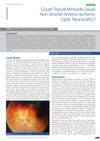 6 citations
,
January 2016 in “Journal of Clinical and Diagnostic Research”
6 citations
,
January 2016 in “Journal of Clinical and Diagnostic Research” Topical minoxidil might potentially cause vision problems, but more research is needed.
 2 citations
,
January 2015 in “Journal of cosmetology & trichology”
2 citations
,
January 2015 in “Journal of cosmetology & trichology” Need better hair loss treatments beyond minoxidil, finasteride, and transplants.
 56 citations
,
August 1981 in “Journal of The American Academy of Dermatology”
56 citations
,
August 1981 in “Journal of The American Academy of Dermatology” Minoxidil helps hair regrowth in alopecia areata safely.
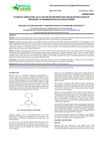 January 2026 in “International Journal of Applied Pharmaceutics”
 The method accurately measures Minoxidil in drugs and is reliable for routine use.
 269 citations
,
August 2002 in “Journal of The American Academy of Dermatology”
269 citations
,
August 2002 in “Journal of The American Academy of Dermatology” 5% minoxidil works better for hair growth and density, with minor irritation.
 219 citations
,
March 2004 in “Journal of The American Academy of Dermatology”
219 citations
,
March 2004 in “Journal of The American Academy of Dermatology” 5% and 2% minoxidil solutions effectively promote hair growth and reduce hair loss, with 5% being slightly more effective but having more side effects.
 24 citations
,
May 1982 in “Biochemical Pharmacology”
24 citations
,
May 1982 in “Biochemical Pharmacology” These drugs cause hair growth without affecting testosterone or adrenal hormones.
 8 citations
,
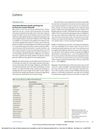
June 2017 in “JAMA Dermatology”
8 citations
,
June 2017 in “JAMA Dermatology” Women pay more for the same 5% minoxidil foam than men, but prices for liquid solutions are similar.
 149 citations
,
March 2004 in “Journal of Dermatological Science”
149 citations
,
March 2004 in “Journal of Dermatological Science” Minoxidil boosts hair growth by increasing cell production and survival.
 142 citations
,
August 2007 in “Journal of The American Academy of Dermatology”
142 citations
,
August 2007 in “Journal of The American Academy of Dermatology” New 5% minoxidil foam effectively promotes hair growth and is safe for use.
 101 citations
,
November 1992 in “Archives of Dermatology”
101 citations
,
November 1992 in “Archives of Dermatology” Steroids help hair regrowth, and minoxidil slows post-steroid hair loss, but effects are temporary.
 77 citations
,
January 2015 in “International Journal of Biological Macromolecules”
77 citations
,
January 2015 in “International Journal of Biological Macromolecules” Chitosan nanoparticles improve minoxidil delivery to hair follicles for better alopecia treatment.
 57 citations
,
August 2003 in “British Journal of Dermatology”
57 citations
,
August 2003 in “British Journal of Dermatology” Minoxidil and pyrithione zinc combo most effectively increases hair density.
 54 citations
,
March 1987 in “Journal of The American Academy of Dermatology”
54 citations
,
March 1987 in “Journal of The American Academy of Dermatology” 3% topical minoxidil effectively treats extensive alopecia areata with few side effects.
 31 citations
,
January 1989 in “Clinical and Experimental Dermatology”
31 citations
,
January 1989 in “Clinical and Experimental Dermatology” The study tested a hair treatment and found it can help grow hair, but won't stop baldness. It's safe and works well, but needs more testing.
 26 citations
,
June 2011 in “International Journal of Pharmaceutics”
26 citations
,
June 2011 in “International Journal of Pharmaceutics” SLN suspensions work as well as commercial solutions for minoxidil delivery, but are non-corrosive, making them a promising alternative.
 19 citations
,
January 2015 in “Skin Pharmacology and Physiology”
19 citations
,
January 2015 in “Skin Pharmacology and Physiology” Minoxidil foam effectively promotes hair growth and reduces hair loss in men.
 14 citations
,
January 2007 in “Journal of Dermatological Treatment”
14 citations
,
January 2007 in “Journal of Dermatological Treatment” Minoxidil solution had low effect, causing 99% to stop using it.
 9 citations
,
August 2019 in “Journal of The European Academy of Dermatology and Venereology”
9 citations
,
August 2019 in “Journal of The European Academy of Dermatology and Venereology” Minoxidil activation by hair enzymes predicts treatment success for female hair loss.

The new minoxidil gel may improve hair loss treatment by staying on the scalp longer and penetrating better.
 February 2020 in “Drug Analytical Research”
 Magistral pharmacies had issues with production quality and dosage accuracy.
Using 5% minoxidil foam twice daily can help regrow hair, especially in younger men aged 20-30.
 May 2015 in “Journal of The American Academy of Dermatology”
 5% minoxidil foam helps women with thinning hair.
 March 1998 in “Journal of Dermatological Science”
 Combining RU58841 and minoxidil significantly increases hair growth.
 20 citations
,
March 1994 in “Clinical and Experimental Dermatology”
20 citations
,
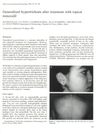
March 1994 in “Clinical and Experimental Dermatology” Too much topical minoxidil can cause excessive hair growth, but stopping treatment reverses it.
 9 citations
,
April 2018 in “JAMA Dermatology”
9 citations
,
April 2018 in “JAMA Dermatology” Topical minoxidil improves hair loss in 80% of women with breast cancer undergoing endocrine therapy.