 101 citations
,
March 1987 in “Journal of The American Academy of Dermatology”
101 citations
,
March 1987 in “Journal of The American Academy of Dermatology” Minoxidil solution helps hair regrowth in alopecia areata, with 5% being more effective.
 96 citations
,
October 1981 in “Drugs”
96 citations
,
October 1981 in “Drugs” Minoxidil effectively treats severe hypertension but may cause side effects, so careful monitoring is needed.
 86 citations
,
July 1990 in “British Journal of Pharmacology”
86 citations
,
July 1990 in “British Journal of Pharmacology” Diazoxide, minoxidil sulphate, and cromakalim relax rat blood vessels by opening K+ channels, with some differences in their actions.
 85 citations
,
January 2007 in “Journal of Drug Targeting”
85 citations
,
January 2007 in “Journal of Drug Targeting” Liposomes better deliver minoxidil for hair loss treatment than niosomes.
 74 citations
,
August 2006 in “Journal of clinical gastroenterology”
74 citations
,
August 2006 in “Journal of clinical gastroenterology” Shen-Min, a hair growth supplement, likely caused acute hepatitis in a woman, improving after she stopped taking it.
 70 citations
,
April 1990 in “Journal of The American Academy of Dermatology”
70 citations
,
April 1990 in “Journal of The American Academy of Dermatology” Minoxidil treatment increased hair growth for up to 5 years, requiring twice daily application.
 65 citations
,
April 2020 in “International Journal of Molecular Sciences”
65 citations
,
April 2020 in “International Journal of Molecular Sciences” PRP injections may be a safe, effective alternative for hair loss treatment compared to minoxidil and finasteride.
 63 citations
,
April 2003 in “Journal of The European Academy of Dermatology and Venereology”
63 citations
,
April 2003 in “Journal of The European Academy of Dermatology and Venereology” Minoxidil use increases facial hair growth in females, more in older users.
 59 citations
,
February 1998 in “Chemico-Biological Interactions”
59 citations
,
February 1998 in “Chemico-Biological Interactions” Minoxidil breakdown varies by enzymes, affecting hair loss treatment effectiveness.
 58 citations
,
July 1986 in “Journal of The American Academy of Dermatology”
58 citations
,
July 1986 in “Journal of The American Academy of Dermatology” Lowest effective minoxidil concentration is 1%, but 2% works better for male pattern baldness.
 57 citations
,
August 2003 in “British Journal of Dermatology”
57 citations
,
August 2003 in “British Journal of Dermatology” Minoxidil and pyrithione zinc combo most effectively increases hair density.
 57 citations
,
January 1980 in “Journal of Cardiovascular Pharmacology”
57 citations
,
January 1980 in “Journal of Cardiovascular Pharmacology” Minoxidil treats high blood pressure and side effects can be managed.
 55 citations
,
October 1975 in “Circulation”
55 citations
,
October 1975 in “Circulation” Minoxidil, propranolol, and furosemide effectively control severe hypertension, but may cause sodium retention.
 55 citations
,
February 1985 in “Archives of Dermatology”
55 citations
,
February 1985 in “Archives of Dermatology” Using minoxidil on the scalp can help grow hair for people with hereditary baldness.
 54 citations
,
June 1985 in “American Journal of Dermatopathology”
54 citations
,
June 1985 in “American Journal of Dermatopathology” Minoxidil helps grow longer, thicker hair in bald scalps of stumptailed macaques, and early treatment is more effective.
 54 citations
,
March 1987 in “Journal of The American Academy of Dermatology”
54 citations
,
March 1987 in “Journal of The American Academy of Dermatology” 3% topical minoxidil effectively treats extensive alopecia areata with few side effects.
 53 citations
,
January 1993 in “Biochemical Pharmacology”
53 citations
,
January 1993 in “Biochemical Pharmacology” Minoxidil needs activation to work, and minoxidil sulfate helps with hair growth and blood pressure.
 53 citations
,
May 1990 in “Journal of Dermatology”
53 citations
,
May 1990 in “Journal of Dermatology” Minoxidil speeds up hair growth in rats without prolonging growth phase.
 52 citations
,
March 1979 in “Toxicology and Applied Pharmacology”
52 citations
,
March 1979 in “Toxicology and Applied Pharmacology” Minoxidil can cause heart muscle damage in dogs.
 47 citations
,
November 1982 in “Journal of Cardiovascular Pharmacology”
47 citations
,
November 1982 in “Journal of Cardiovascular Pharmacology” Nitrendipine and nifedipine effectively block muscle contractions, while papaverine relaxes them and minoxidil needs high amounts to work.
 46 citations
,
January 1991 in “Journal of Investigative Dermatology”
46 citations
,
January 1991 in “Journal of Investigative Dermatology” Minoxidil works in liver and outer hair root sheath for hair growth.
 46 citations
,
April 1977 in “Southern Medical Journal”
46 citations
,
April 1977 in “Southern Medical Journal” Minoxidil causes excessive hair growth, but depilatory agent removes it safely and effectively.
 45 citations
,
August 2011 in “Journal of Microencapsulation”
45 citations
,
August 2011 in “Journal of Microencapsulation” Chitosan microparticles improve minoxidil sulphate delivery, potentially reducing daily applications.
 44 citations
,
October 1989 in “International Journal of Pharmaceutics”
44 citations
,
October 1989 in “International Journal of Pharmaceutics” Minoxidil's effectiveness decreases as vehicle evaporates; concentration and thermodynamic activity matter.
 43 citations
,
July 2018 in “Journal of The European Academy of Dermatology and Venereology”
43 citations
,
July 2018 in “Journal of The European Academy of Dermatology and Venereology” Finasteride and minoxidil mix works better for hair growth than minoxidil alone, with similar safety.
 41 citations
,
June 2003 in “Journal of The American Academy of Dermatology”
41 citations
,
June 2003 in “Journal of The American Academy of Dermatology” Long-term minoxidil use can cause pseudoacromegaly, but stopping it improves symptoms.
 40 citations
,
January 2018 in “Pharmaceutics”
40 citations
,
January 2018 in “Pharmaceutics” Eucalyptol and oleic acid in nanoemulsions improve minoxidil delivery to hair follicles, potentially enhancing hair loss treatment.
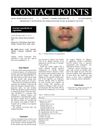 38 citations
,
June 2005 in “Contact Dermatitis”
38 citations
,
June 2005 in “Contact Dermatitis” Patient had scalp allergy from minoxidil; test helped identify cause and suggest alternative treatments.
 37 citations
,
May 2016 in “JAAD case reports”
37 citations
,
May 2016 in “JAAD case reports” Oral minoxidil shows promise in treating monilethrix-related hair loss.
 34 citations
,
March 2004 in “Journal of Liposome Research”
34 citations
,
March 2004 in “Journal of Liposome Research” Minoxidil-loaded liposomes effectively deliver to hair follicles, potentially improving hair growth and treating alopecia.