 August 2023 in “Journal of Cosmetic Dermatology”
 Some plants like spinach, broccoli, and matcha may boost the effectiveness of the hair growth drug minoxidil.
1 citations
,
January 2017 in “Journal of Dermatology and Venereology” The plant extract and minoxidil both reduce hair loss by lowering specific gene expressions.
May 2022 in “Journal of cosmetic dermatology” Combined carboxytherapy and minoxidil 20% may help treat Lichen planopilaris.
 January 2025 in “Dermatologic Therapy”
 Low-dose oral minoxidil may help with symptoms and hair regrowth in lichen planopilaris without serious side effects.
 15 citations
,
April 2020 in “Journal of The American Academy of Dermatology”
15 citations
,
April 2020 in “Journal of The American Academy of Dermatology” Oral minoxidil can increase or maintain hair thickness in most people with lichen planopilaris, with mild side effects.
 January 2023 in “Anais do Congresso Brasileiro Interdisciplinar em Ciência e Tecnologia.”
 Optimizing the method improved minoxidil measurement accuracy and efficiency.
August 2022 in “Journal of The European Academy of Dermatology and Venereology” 2 citations
,
December 2024 in “Environmental Science and Pollution Research”  37 citations
,
October 2015 in “Anais Brasileiros de Dermatologia”
37 citations
,
October 2015 in “Anais Brasileiros de Dermatologia” Lichen planopilaris mostly affects women with fair skin and can look different on each person, needing early treatment to prevent hair loss.
 24 citations
,
January 2020 in “International Journal of Molecular Sciences”
24 citations
,
January 2020 in “International Journal of Molecular Sciences” Some plants with flavonoids may help treat hair loss and promote hair growth.
 11 citations
,
January 2010 in “Indian Journal of Dermatology, Venereology and Leprology”
11 citations
,
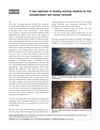
January 2010 in “Indian Journal of Dermatology, Venereology and Leprology” Hair transplant and applying 5% minoxidil solution can effectively treat permanent hair loss, but it may change hair direction in some cases.
 10 citations
,
April 2019 in “Journal of Analytical Science and Technology”
10 citations
,
April 2019 in “Journal of Analytical Science and Technology” Lactobacillus plantarum hydrolysates may help increase hair growth by boosting VEGF production.
 9 citations
,
January 2020 in “Skin appendage disorders”
9 citations
,
January 2020 in “Skin appendage disorders” Hair loss from conditions like LPP and FFA can potentially be reversed with the right treatment.
3 citations
,
July 2015 in “International journal of pharmacology” Natural plant extracts help prevent hair loss and promote hair growth.
1 citations
,
February 2025 in “International Journal of Dermatology” Abrocitinib may effectively treat Lichen Planopilaris.
1 citations
,
May 2022 in “Journal of Drugs in Dermatology” Low-dose naltrexone and platelet-rich plasma can regrow hair in lichen planopilaris.
 1 citations
,
July 2020 in “Journal of cosmetic dermatology”
1 citations
,
July 2020 in “Journal of cosmetic dermatology” A woman on immunosuppressants developed two rare scalp conditions, which improved with specific treatments.
1 citations
,
December 2015 in “TURKDERM” Lichen planopilaris can be accurately diagnosed and effectively treated.
May 2025 in “Universidad Industrial de Santander” The business plan confirms the economic viability of producing and marketing a natural hair growth tonic in Sogamoso.
February 2026 in “Food Research International” Lactiplantibacillus plantarum ZJUIDS51 can help regrow hair and improve scalp health in androgenic alopecia.
January 2026 in “Case Reports in Dermatological Medicine” Lichen Planus in siblings may be influenced by genetics and environment.
September 2025 in “Pharmaceutics” Combining plant extracts with nanotechnology may improve hair loss treatments.
August 2025 in “Skin Appendage Disorders” TCM is an effective and safe treatment for primary cicatricial alopecias.
July 2025 in “Case Reports in Dermatology” Early detection and treatment are crucial to prevent irreversible hair loss in Lichen Planopilaris.
June 2025 in “British Journal of Dermatology” A rare dual diagnosis of alopecia areata and lichen planopilaris requires thorough evaluation for effective treatment.
 February 2025 in “PubMed”
 Thorough scalp exams are crucial for diagnosing hair loss conditions in people with skin of color.
December 2024 in “International Journal of Scientific Reports” The plant-based hair serum is a promising and safe alternative to minoxidil for hair regrowth.
 December 2024 in “Planta Medica”
 Certain plants may help hair growth in alopecia.
June 2024 in “Deleted Journal” Herbal plants may help treat hair loss with fewer side effects than synthetic drugs.

Minoxidil may help with hair regrowth and disease stabilization in scarring alopecia, but side effects vary, needing more research for consistent safety and effectiveness.