 August 2025 in “International Journal of Molecular Sciences”
 Broccoli sprout extract may help regrow hair by improving hormone metabolism.
July 2025 in “Journal of Investigative Dermatology” Breezula® may be more effective than Minoxidil in promoting hair growth by reducing a hair growth inhibitor.

Hair aging is a big issue, and nutrients are key to keeping hair healthy.

Recent research on androgenetic alopecia focuses on optimizing treatments, with promising new therapies emerging.
 February 2025 in “Eduvest - Journal Of Universal Studies”
 Kepok banana peel extract serum at 30% concentration effectively promotes hair growth.
 February 2025 in “Journal of Cosmetic Dermatology”
 Patch testing is crucial to reduce allergic reactions in hair loss treatments.
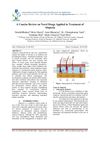
New therapies like JAK inhibitors, PRP, and stem cell treatments show promise for better alopecia management.
Combining stress management and Minoxidil helps treat stress-related hair loss and improve well-being.
 January 2025 in “International Journal of Nanomedicine”
 Rosemary-based gel with metformin may effectively treat hair loss like minoxidil.
Herbal therapies for alopecia show promise but need more research for safety and effectiveness.
 December 2024 in “Globus: an international journal of medical science, engineering and technology.”
 10% dalandan peel oil promotes hair growth effectively.
 December 2024 in “Indian Journal of Dermatology Venereology and Leprology”
 Atypical male hair loss may not respond to usual treatments.
 December 2024 in “Asian Journal of Pharmaceutical and Clinical Research”
 Combining synthetic and herbal treatments may help with hair loss, but more research is needed.
 December 2024 in “Frontiers in Pharmacology”
 Araliadiol may promote hair growth like minoxidil without being toxic.
 November 2024 in “International Journal of Molecular Sciences”
 Nanoparticles may improve caffeine delivery for hair growth, offering a potential alternative to minoxidil for hair loss treatment.
 October 2024 in “Small Methods”
 Platinum nanozyme microneedles can effectively and safely promote hair growth for androgenetic alopecia.
Liangxue Zhituo prescription effectively treats androgenic alopecia with no serious side effects.
 September 2024 in “Journal of the American Academy of Dermatology”
 The compounded topical solution is safe, stable, and effective for personalized alopecia treatment.
 September 2024 in “Journal of the American Academy of Dermatology”
 The new hair treatment significantly reduces hair shedding safely.
 August 2024 in “Quality in Sport”
 New treatments for common hair loss are needed.
 August 2024 in “Biomolecules & Therapeutics”
 A new compound, HTPI, promotes hair growth by protecting cells from damage and regulating energy use.
August 2024 in “Food Bioscience” Bifidobacterium longum BB536 metabolites may help treat hair loss by repairing and promoting hair cell growth.
August 2024 in “Journal of Controlled Release” A new treatment using hybrid vesicles with gold nanoparticles and finasteride significantly improves hair regrowth for androgenetic alopecia.
 July 2024 in “ADMET & DMPK”
 Surface-modified nanostructured lipid carriers can improve hair growth treatments.
 June 2024 in “British Journal of Dermatology”
 Avoid tight hairstyles and use minoxidil to prevent and treat hair loss in young Sikh boys.
 June 2024 in “American Journal of Biomedical Science & Research”
 TH07 effectively promotes hair regrowth in androgenic alopecia with high patient satisfaction and no major side effects.
 May 2024 in “Journal of functional foods”
 Coffee bean residue extract helps hair growth by activating cell processes.
 May 2024 in “Drug discovery today”
 Thyroid receptor β can help develop new drugs to treat hair loss.
 April 2024 in “Bioactive materials”
 New microneedle treatment with growth factors and a hair loss drug shows better and faster hair growth results than current treatments.
 March 2024 in “International journal of pharmaceutical chemistry and analysis (Print)”
 Betulin may help treat hair loss caused by testosterone.