 January 2025 in “International Journal of Medical Arts”
 Topical sildenafil 1.0% may help increase hair count in female pattern hair loss.
 14 citations
,
August 2019 in “Journal of Dermatological Treatment”
14 citations
,
August 2019 in “Journal of Dermatological Treatment” 10% minoxidil solution better promotes hair growth and reduces hair loss without significant side effects.
 May 2026 in “Revista Ensaios Pioneiros”
 A topical solution with minoxidil and rosemary oil may help treat hair loss.
 8 citations
,
January 2011 in “Collection of Czechoslovak Chemical Communications”
8 citations
,
January 2011 in “Collection of Czechoslovak Chemical Communications” Researchers developed a sensitive method to measure minoxidil in various products with high accuracy.
 September 2024 in “Journal of the American Academy of Dermatology”
 The compounded topical solution is safe, stable, and effective for personalized alopecia treatment.
 9 citations
,
January 1992 in “Contact Dermatitis”
9 citations
,
January 1992 in “Contact Dermatitis” Some people using minoxidil for hair loss developed an allergic skin reaction, often related to an ingredient that helps minoxidil work better.
 December 2025 in “International Journal of Research in Dermatology”
 Indian dermatologists prefer an alcohol-free minoxidil, procapil, and finasteride formulation for treating hair loss.
 October 2015 in “Elsevier eBooks”
 Minoxidil is effective for hair growth and safe for long-term use.
October 2024 in “Más dermatología” Few people stick with topical minoxidil due to side effects, so alternatives and strategies are needed.
 57 citations
,
August 2003 in “British Journal of Dermatology”
57 citations
,
August 2003 in “British Journal of Dermatology” Minoxidil and pyrithione zinc combo most effectively increases hair density.
 3 citations
,
July 2016 in “International Journal of Dermatology”
3 citations
,
July 2016 in “International Journal of Dermatology” Minoxidil treatment increased hair density in a young Asian girl with short anagen syndrome, but didn't improve hair length or thickness.
Topical 5% minoxidil is safe and effective for treating hair loss in Korean men.
 1 citations
,
March 2022 in “JAAD case reports”
1 citations
,
March 2022 in “JAAD case reports” Oral minoxidil helped significantly regrow hair in a patient with traction alopecia.
 49 citations
,
October 1994 in “Annals of Oncology”
49 citations
,
October 1994 in “Annals of Oncology” Minoxidil not effective in preventing chemotherapy-induced hair loss.
 17 citations
,
May 1998 in “Contact Dermatitis”
17 citations
,
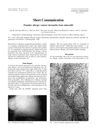
May 1998 in “Contact Dermatitis” Minoxidil can cause pustular allergic reactions on skin.
11 citations
,
February 1986 in “Archives of Dermatology” A 5% minoxidil solution led to better hair regrowth in severe alopecia areata than a 1% solution, but results were often not cosmetically acceptable.
 4 citations
,
December 2011 in “Journal of The American Academy of Dermatology”
4 citations
,
December 2011 in “Journal of The American Academy of Dermatology” Using more minoxidil solution can lead to better hair growth, but people often use only half the recommended amount. Education and motivation can improve results.
 2 citations
,
November 1987 in “Archives of Dermatology”
2 citations
,
November 1987 in “Archives of Dermatology” Minoxidil solution helps regrow hair in men with hair loss, with most improvement seen at 12 months and effects lasting over 30 months.
 128 citations
,
July 2009 in “International Journal of Pharmaceutics”
128 citations
,
July 2009 in “International Journal of Pharmaceutics” PEVs improve minoxidil skin penetration, increasing hair growth.
 5 citations
,
July 2020 in “JAMA Dermatology”
5 citations
,
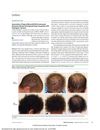
July 2020 in “JAMA Dermatology” Minoxidil solution applied twice daily improved hair growth in patients with Woolly Hair/Hypotrichosis due to LIPH gene issues, with mild side effects.
1 citations
,
February 2025 in “International Journal For Multidisciplinary Research” A new accurate method was developed to measure Minoxidil and Aminexil in solutions.
 January 2025 in “Lasers in Surgery and Medicine”
 Combining fractional CO2 laser with minoxidil is more effective for hair growth in alopecia areata than minoxidil alone.
 37 citations
,
August 2016 in “Clinical, Cosmetic and Investigational Dermatology”
37 citations
,
August 2016 in “Clinical, Cosmetic and Investigational Dermatology” The document concludes that better treatments for CCCA are needed and more research is required to understand its causes related to hairstyling and genetics.
 11 citations
,
July 1988 in “International Journal of Dermatology”
11 citations
,
July 1988 in “International Journal of Dermatology” The study found that using 2% minoxidil solution can help grow hair and is safe.
Betamethasone dipropionate lotion is more effective than minoxidil solution for treating Alopecia Areata.
 December 2015 in “Actas Dermo-Sifiliográficas”
 Hair transplantation for Frontal Fibrosing Alopecia may work if the disease is inactive for 2 years and with ongoing treatment to maintain results.
 November 1991 in “PubMed”
 Minoxidil, a topical solution, was found to slow balding in most cases and increase hair density in some, but only a few saw significant cosmetic improvement.
3 citations
,
October 2013 The new hydrogel and microemulsion could be better for hair loss treatment than current solutions.
 139 citations
,
June 2003 in “Journal of Investigative Dermatology Symposium Proceedings”
139 citations
,
June 2003 in “Journal of Investigative Dermatology Symposium Proceedings” Androgenetic alopecia in women needs more research and better management strategies.
 82 citations
,
March 1994 in “Archives of Dermatology”
82 citations
,
March 1994 in “Archives of Dermatology” 2% topical minoxidil effectively treats female hair loss with minimal side effects.