 58 citations
,
June 1987 in “Archives of Dermatological Research”
58 citations
,
June 1987 in “Archives of Dermatological Research” EGF and FGF boost hair cell growth, hydrocortisone slows it, and minoxidil doesn't affect it.
 57 citations
,
August 2003 in “British Journal of Dermatology”
57 citations
,
August 2003 in “British Journal of Dermatology” Minoxidil and pyrithione zinc combo most effectively increases hair density.
 56 citations
,
April 2007 in “Journal der Deutschen Dermatologischen Gesellschaft”
56 citations
,
April 2007 in “Journal der Deutschen Dermatologischen Gesellschaft” Minoxidil works better for female hair loss than alfatradiol, both safe.
 56 citations
,
August 1981 in “Journal of The American Academy of Dermatology”
56 citations
,
August 1981 in “Journal of The American Academy of Dermatology” Minoxidil helps hair regrowth in alopecia areata safely.
 55 citations
,
October 1975 in “Circulation”
55 citations
,
October 1975 in “Circulation” Minoxidil, propranolol, and furosemide effectively control severe hypertension, but may cause sodium retention.
 55 citations
,
March 1973 in “PubMed”
55 citations
,
March 1973 in “PubMed” Minoxidil is a new drug that lowers blood pressure.
 54 citations
,
June 1985 in “American Journal of Dermatopathology”
54 citations
,
June 1985 in “American Journal of Dermatopathology” Minoxidil helps grow longer, thicker hair in bald scalps of stumptailed macaques, and early treatment is more effective.
 54 citations
,
May 1977 in “The Journal of Pediatrics”
54 citations
,
May 1977 in “The Journal of Pediatrics” Minoxidil helps lower high blood pressure in kids, but can cause fluid retention and hair growth.
 53 citations
,
January 1993 in “Biochemical Pharmacology”
53 citations
,
January 1993 in “Biochemical Pharmacology” Minoxidil needs activation to work, and minoxidil sulfate helps with hair growth and blood pressure.
 53 citations
,
May 1990 in “Journal of Dermatology”
53 citations
,
May 1990 in “Journal of Dermatology” Minoxidil speeds up hair growth in rats without prolonging growth phase.
 52 citations
,
March 1979 in “Toxicology and Applied Pharmacology”
52 citations
,
March 1979 in “Toxicology and Applied Pharmacology” Minoxidil can cause heart muscle damage in dogs.
 50 citations
,
September 1975 in “American Heart Journal”
50 citations
,
September 1975 in “American Heart Journal” Minoxidil effectively controls blood pressure in severe cases, but may cause fluid retention and edema.
 49 citations
,
October 1994 in “Annals of Oncology”
49 citations
,
October 1994 in “Annals of Oncology” Minoxidil not effective in preventing chemotherapy-induced hair loss.
 47 citations
,
November 1982 in “Journal of Cardiovascular Pharmacology”
47 citations
,
November 1982 in “Journal of Cardiovascular Pharmacology” Nitrendipine and nifedipine effectively block muscle contractions, while papaverine relaxes them and minoxidil needs high amounts to work.
 46 citations
,
January 1991 in “Journal of Investigative Dermatology”
46 citations
,
January 1991 in “Journal of Investigative Dermatology” Minoxidil works in liver and outer hair root sheath for hair growth.
 45 citations
,
August 2011 in “Journal of Microencapsulation”
45 citations
,
August 2011 in “Journal of Microencapsulation” Chitosan microparticles improve minoxidil sulphate delivery, potentially reducing daily applications.
 43 citations
,
July 2018 in “Journal of The European Academy of Dermatology and Venereology”
43 citations
,
July 2018 in “Journal of The European Academy of Dermatology and Venereology” Finasteride and minoxidil mix works better for hair growth than minoxidil alone, with similar safety.
 43 citations
,
January 1977 in “Toxicology and Applied Pharmacology”
43 citations
,
January 1977 in “Toxicology and Applied Pharmacology” Minoxidil is mostly safe, but high doses can cause electrolyte imbalances and heart issues in dogs.
 42 citations
,
February 2018 in “International Journal of Molecular Sciences”
42 citations
,
February 2018 in “International Journal of Molecular Sciences” Minoxidil boosts hair growth by triggering growth factor release from specific stem cells.
 41 citations
,
January 2007 in “Journal of Korean Medical Science”
41 citations
,
January 2007 in “Journal of Korean Medical Science” Minoxidil and ATRA together boost hair growth more effectively than minoxidil alone.
 41 citations
,
June 2003 in “Journal of The American Academy of Dermatology”
41 citations
,
June 2003 in “Journal of The American Academy of Dermatology” Long-term minoxidil use can cause pseudoacromegaly, but stopping it improves symptoms.
 40 citations
,
January 2018 in “Pharmaceutics”
40 citations
,
January 2018 in “Pharmaceutics” Eucalyptol and oleic acid in nanoemulsions improve minoxidil delivery to hair follicles, potentially enhancing hair loss treatment.
 40 citations
,
July 1995 in “Toxicologic Pathology”
40 citations
,
July 1995 in “Toxicologic Pathology” Minoxidil can harm dog's heart.
 40 citations
,
May 1987 in “The Lancet”
40 citations
,
May 1987 in “The Lancet” Minoxidil helps some bald men, but most lose hair again when stopping.
 39 citations
,
January 2015 in “Journal of Electroanalytical Chemistry”
39 citations
,
January 2015 in “Journal of Electroanalytical Chemistry” New sensor detects minoxidil accurately and effectively.
 39 citations
,
April 2010 in “International Journal of Pharmaceutics”
39 citations
,
April 2010 in “International Journal of Pharmaceutics” Nanoparticles improve minoxidil skin permeation, but more research needed for effective hair growth.
 39 citations
,
November 1987 in “Clinica Chimica Acta”
39 citations
,
November 1987 in “Clinica Chimica Acta” Human platelets change minoxidil to minoxidil sulfate, helping blood vessels widen.
 38 citations
,
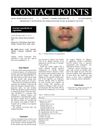
June 2005 in “Contact Dermatitis”
38 citations
,
June 2005 in “Contact Dermatitis” Patient had scalp allergy from minoxidil; test helped identify cause and suggest alternative treatments.
 38 citations
,
June 2005 in “Matrix Biology”
38 citations
,
June 2005 in “Matrix Biology” Minoxidil affects collagen-related genes, potentially helping treat fibrosis.
 38 citations
,
October 1988 in “Clinics in Dermatology”
38 citations
,
October 1988 in “Clinics in Dermatology” Minoxidil can help grow hair and make hair follicles bigger, but it can also cause side effects.