 13 citations
,
January 1988 in “Contact Dermatitis”
13 citations
,
January 1988 in “Contact Dermatitis” Some patients using Minoxidil for baldness developed allergic skin reactions.
Low-dose oral minoxidil is safe and effective for treating hair loss, with most side effects being mild and reversible.
 3 citations
,
October 1988 in “Clinics in Dermatology”
3 citations
,
October 1988 in “Clinics in Dermatology” Using 3% topical minoxidil can help women with hair loss, but more research is needed.
 November 2019 in “Actas Dermo-Sifiliográficas”
 Oral minoxidil helps treat hair loss and has reversible side effects.
 December 2024 in “Journal of the European Academy of Dermatology and Venereology”
 Sublingual and oral minoxidil are equally effective for hair growth, but sublingual causes fewer palpitations.

10% minoxidil improves frontal hair count more than 5% but has more side effects.
 November 2025 in “Journal of Family Medicine and Primary Care”
 Low-dose minoxidil effectively enhances facial hair with minimal side effects.
March 2025 in “Actas Dermo-Sifiliográficas” High-dose oral minoxidil can improve hair growth but may cause side effects.
February 2023 in “Seven Editora eBooks” Oral minoxidil has more side effects but can be more effective than topical minoxidil.
7 citations
,
October 1988 in “Clinics in Dermatology” Minoxidil may help hair regrowth in alopecia areata by affecting T-cells.
 7 citations
,
January 2021 in “Cureus”
7 citations
,
January 2021 in “Cureus” A woman had an allergic skin reaction to a hair loss treatment containing minoxidil and should not use it.
 52 citations
,
February 1985 in “Archives of Dermatology”
52 citations
,
February 1985 in “Archives of Dermatology” Minoxidil absorbs poorly through skin, with low risk of side effects at 1-2% concentration.
 June 2026 in “Zenodo (CERN European Organization for Nuclear Research)”
 Educational efforts are needed to improve safe and effective minoxidil use.
 June 2026 in “Zenodo (CERN European Organization for Nuclear Research)”
 Educational efforts are needed to improve safe and effective minoxidil use.
Minoxidil can slow hair loss and promote regrowth but won't fully restore hair.
12 citations
,
October 2015 in “PubMed” Topical minoxidil significantly increases hair growth in androgenetic alopecia but only some patients see cosmetically acceptable results.
 24 citations
,
February 1987 in “Drugs”
24 citations
,
February 1987 in “Drugs” Minoxidil promotes hair regrowth, but more research needed for effectiveness and response factors.
 18 citations
,
March 1984 in “BMJ”
18 citations
,
March 1984 in “BMJ” Minoxidil helps hair regrowth in alopecia, but more research needed.
January 2008 in “Journal of Clinical Dermatology” Proper guidance on minoxidil use is crucial for effective results and safety.
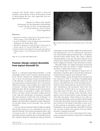 16 citations
,
January 2007 in “JEADV. Journal of the European Academy of Dermatology and Venereology/Journal of the European Academy of Dermatology and Venereology”
16 citations
,
January 2007 in “JEADV. Journal of the European Academy of Dermatology and Venereology/Journal of the European Academy of Dermatology and Venereology” A man had an allergic reaction to minoxidil, which stopped after he discontinued use and started corticosteroids.
2 citations
,
January 1986 in “Dermatology” Minoxidil helps regrow hair lost due to androgenetic alopecia.
 November 2024 in “Skin Health and Disease”
 Minoxidil is effective for promoting hair growth and has various dermatological uses.
 December 2023 in “Farmateka”
 Minoxidil is an effective and safe treatment for common hair loss when applied to the skin, but more research is needed for optimal use.

Topical minoxidil increases hair density in androgenetic alopecia but has unclear clinical significance.
 January 2004 in “Journal of Clinical Dermatology”
 A man got a skin allergy from using a hair growth product called minoxidil.
 January 2024 in “Tropical Journal of Pharmaceutical Research”
 Minoxidil liniment is effective in treating hair loss in women.
 December 2024 in “http://isrctn.com/”
 MpowerTM may improve hair growth and satisfaction more than plain minoxidil, with mild side effects.
26 citations
,
June 1988 in “PubMed” 3% topical minoxidil is ineffective for severe chronic alopecia areata.
 19 citations
,
September 2014 in “British Journal of Dermatology”
19 citations
,
September 2014 in “British Journal of Dermatology” Minoxidil foam 5% effectively treats hair loss in both frontal and vertex scalp regions.
 13 citations
,
June 2016 in “Dermatologic Therapy”
13 citations
,
June 2016 in “Dermatologic Therapy” Minoxidil works better when applied on a damp scalp than a dry one.