 April 2026 in “Scientific Reports”
 MSF-VMDNet accurately segments skin cancer images better than existing methods.
 2 citations
,
November 1998 in “Journal of The European Academy of Dermatology and Venereology”
2 citations
,
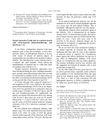
November 1998 in “Journal of The European Academy of Dermatology and Venereology” A patient with a severe type of hair loss experienced partial hair regrowth after treatment with a specific light therapy and a medication called interferon α2a.
 November 1998 in “Journal of The European Academy of Dermatology and Venereology”
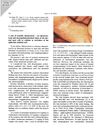
 A man's skin cancer improved and some of his hair grew back after treatment with a special light therapy and a medication.
 2 citations
,
January 2022 in “bioRxiv (Cold Spring Harbor Laboratory)”
2 citations
,
January 2022 in “bioRxiv (Cold Spring Harbor Laboratory)” A protein called FERONIA helps control root hair growth in response to cold and low nitrogen by activating nutrient-sensing pathways in a plant called Arabidopsis.
 22 citations
,
April 1998 in “Dermatologic Clinics”
22 citations
,
April 1998 in “Dermatologic Clinics” Interferons are effective for some skin conditions and cancers, but can have side effects and need more research for optimal use.
 2 citations
,
November 1998 in “Journal of The European Academy of Dermatology and Venereology”
2 citations
,
November 1998 in “Journal of The European Academy of Dermatology and Venereology” Prednisone reduces organ mast cell infiltration but does not alter the abnormal appearance of mast cells in systemic mastocytosis.
 1 citations
,
July 2023 in “Nature communications”
1 citations
,
July 2023 in “Nature communications” MOF controls key genes for skin development by regulating mitochondrial and ciliary functions.
 November 2022 in “bioRxiv (Cold Spring Harbor Laboratory)”
 MOF controls skin development by regulating genes for mitochondria and cilia.
14 citations
,
August 2013 in “Journal of Parasitology” Mite infestations severely harm the health of endangered Amargosa voles.
8 citations
,
January 1984 in “Veterinary Pathology” Toy poodles may develop harmless mineral deposits around hair follicles as they age.
8 citations
,
September 2011 in “Scanning” Multiphoton microscopy effectively images mouse skin layers and structures.
January 1972 in “Open PRAIRIE (South Dakota State University)” Mimosine is toxic to animals, causing hair loss, infertility, and growth issues, but its exact harmful mechanism is unclear.
January 2005 in “Journal of Zhejiang University(Sciences Edition)” Yuyi hairless mice lose hair after birth, develop thick, loose skin with folds, and show disorganized skin structure as they age.
1 citations
,
January 2020 in “International Journal of Agriculture and Biology” Certain miRNAs are linked to Cashmere goat hair quality.
 118 citations
,
August 2010 in “Developmental Cell”
118 citations
,
August 2010 in “Developmental Cell” MIM is crucial for hair follicle formation and regeneration by controlling cilia formation and hedgehog signaling through its interaction with Cortactin and Src.
 121 citations
,
March 1989 in “Journal of Investigative Dermatology”
121 citations
,
March 1989 in “Journal of Investigative Dermatology” Minoxidil can help grow hair in mice by making cells grow and improving hair quality. More research needed.
61 citations
,
February 1982 in “Cell and Tissue Research” Otter rabbit, mink, and blue fox fur can be identified by their unique hair structures.
36 citations
,
February 1998 in “Journal of Anatomy” Fibre optic confocal imaging can visualize skin layers, blood vessels, and nerves in live mice.
48 citations
,
July 1988 in “PubMed” Rhino mice show significant meibomian gland changes, making them a potential model for studying gland disorders.
27 citations
,
September 2013 in “The FASEB Journal” Losing Memo protein shortens lifespan and affects health.
 August 2023 in “Research Square (Research Square)”
 Two microRNAs affect hair follicle development in sheep by targeting specific genes.
17 citations
,
May 2018 in “BMC genomics” Researchers found genes and microRNAs that control curly fleece in Chinese Tan sheep.
December 2023 in “Animals” The research found genes and miRNAs that may control hair growth in Forest Musk Deer.
January 2014 in “China Animal Husbandry & Veterinary Medicine” EGF, IGF-I, and IGF-IR genes are crucial for mink skin and hair growth.
 7 citations
,
November 2010 in “Genesis”
7 citations
,
November 2010 in “Genesis” Mouse Scube3 affects teeth, tongue, vibrissae, and eye development, but not facial structure or limb growth.
33 citations
,
July 2007 in “Journal of cell science” Miz1 is essential for proper hair structure and growth.
A new imaging method helps see and study touch nerve endings in mouse skin.
 2 citations
,
June 2003 in “International Journal of Acarology”
2 citations
,
June 2003 in “International Journal of Acarology” Researchers found a new mite species causing severe hair loss and skin problems in yellow-bellied marmots.
7 citations
,
January 2023 in “Journal of Animal Science” miR-877-3p can improve cashmere quality by regulating hair growth in goats.