12 citations
,
June 2016 in “Clinical and experimental dermatology” A new genetic mutation in the TRPV3 gene causes Olmsted-like syndrome in a Mongolian family.
 January 2025 in “International Journal of Advanced Biochemistry Research”
 Three Persian cats with mange were successfully treated with Ivermectin injections.
September 2022 in “Journal of The American Academy of Dermatology” Combining dutasteride mesotherapy with oral minoxidil is more effective for hair loss than using oral minoxidil alone.
20 citations
,
February 2015 in “Anais brasileiros de dermatologia/Anais Brasileiros de Dermatologia” A 6-year-old girl was diagnosed with a rare hair disorder and started treatment with topical minoxidil.
 January 2025 in “Ege Tıp Bilimleri Dergisi”
 Radiotherapy affects mitochondrial-related genes in metastatic breast cancer cells.
 25 citations
,
December 1974 in “Clinical Pharmacology & Therapeutics”
25 citations
,
December 1974 in “Clinical Pharmacology & Therapeutics” Propranolol affects heart rate and renin levels in minoxidil-treated patients.
26 citations
,
July 2012 in “Endocrine Connections” Mitotane changes steroid breakdown, affecting cortisol availability.
January 1972 in “Open PRAIRIE (South Dakota State University)” Mimosine is toxic to animals, causing hair loss, infertility, and growth issues, but its exact harmful mechanism is unclear.
May 2021 in “Veterinarìâ, tehnologìï tvarinnictva ta prirodokoristuvannâ” Treating sheep and wild goats with specific medications and bathing sheep was 100% effective against a contagious skin disease caused by mites.
 46 citations
,
April 1977 in “Southern Medical Journal”
46 citations
,
April 1977 in “Southern Medical Journal” Minoxidil causes excessive hair growth, but depilatory agent removes it safely and effectively.
1 citations
,
June 2025 in “Journal of Veterinary Internal Medicine” The donkey had a severe disease affecting multiple organs and was euthanized.
17 citations
,
August 2015 in “Journal of Animal Science” The MTR gene affects wool quality and production in Chinese Merino sheep.
 5 citations
,
July 2020 in “JAMA Dermatology”
5 citations
,
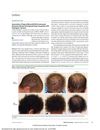
July 2020 in “JAMA Dermatology” Minoxidil solution applied twice daily improved hair growth in patients with Woolly Hair/Hypotrichosis due to LIPH gene issues, with mild side effects.
6 citations
,
January 2011 in “European Journal of Dermatology” It's important to consider genetic hair disorders when diagnosing hair loss.
 4 citations
,
January 2017 in “Ciência Rural”
4 citations
,
January 2017 in “Ciência Rural” A horse in Brazil with skin and gut issues was diagnosed with a severe disease and had to be euthanized.
8 citations
,
January 1984 in “Veterinary Pathology” Toy poodles may develop harmless mineral deposits around hair follicles as they age.
 15 citations
,
December 2014 in “PLoS ONE”
15 citations
,
December 2014 in “PLoS ONE” A mutation in the iRhom2 gene causes hairless mice due to abnormal hair follicle development.
 14 citations
,
February 2018 in “Psychoneuroendocrinology”
14 citations
,
February 2018 in “Psychoneuroendocrinology” Mice lacking steroid 5α-reductase 2 show less aggression and better impulse control.

"Bider" markings in Dun Mongolian horses are caused by a complex network of genes and pathways.
 19 citations
,
December 2016 in “The journal of pharmacology and experimental therapeutics/The Journal of pharmacology and experimental therapeutics”
19 citations
,
December 2016 in “The journal of pharmacology and experimental therapeutics/The Journal of pharmacology and experimental therapeutics” Certain drugs increase calcium levels in cancer cells by triggering internal calcium release.
 67 citations
,
August 2007 in “American Journal of Pathology”
67 citations
,
August 2007 in “American Journal of Pathology” Overexpressing the mineralocorticoid receptor in mouse skin causes skin thinning, early skin barrier development, eye issues, and hair loss.
 July 2015 in “Actas Dermo-Sifiliográficas”
 A woman experienced excessive hair growth after using a hair loss treatment with minoxidil.

The document concludes that the development of certain tumors is influenced by genetic background and that a specific gene modification can lead to tumor regression and reduced growth.
14 citations
,
February 1991 in “FEBS Letters” Introducing the rat OTC gene partially corrected OTC deficiency in mice.
 January 2005 in “Nihon Yasei Doubutsu Igakkaishi/Japanese journal of zoo and wildlife medicine”
 Aloe vera gel effectively treated mange in camels.
 5 citations
,
January 2018 in “Javma-journal of The American Veterinary Medical Association”
5 citations
,
January 2018 in “Javma-journal of The American Veterinary Medical Association” A dog fully recovered from minoxidil poisoning after receiving treatment.
 15 citations
,
August 2008 in “Toxicology Letters”
15 citations
,
August 2008 in “Toxicology Letters” High doses of minoxidil can harm marmoset hearts and kidneys, possibly affecting humans similarly.
 March 2024 in “Journal of Applied and Natural Science”
 Mentha spicata leaves lower testosterone and aggression in female rats.
Minoxidil effectively promotes hair growth in seborrheic alopecia.
 12 citations
,
September 2024 in “Frontiers in Immunology”
12 citations
,
September 2024 in “Frontiers in Immunology” Mitochondrial genes help predict breast cancer outcomes and spread.