48 citations
,
September 2011 in “British Journal of Dermatology” Epigenetic changes in blood cells may contribute to alopecia areata.
 April 2025 in “ACS Applied Nano Materials”
 A new treatment using dissolvable microneedles with nickel-copper and minoxidil improves hair growth and health in androgenetic alopecia.
November 2024 in “Journal of Investigative Dermatology” Bimekizumab quickly improves psoriasis symptoms and skin at the molecular level.
September 2025 in “Cosmetics” Genetic profiling can improve androgenetic alopecia treatment by predicting drug response and minimizing side effects.

The document doesn't provide enough information to summarize.
 10 citations
,
August 2016 in “Oxford Medical Case Reports”
10 citations
,
August 2016 in “Oxford Medical Case Reports” Tocilizumab therapy may cause skin and hair conditions like halo naevi, vitiligo, and alopecia areata.
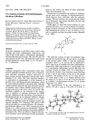 December 1998 in “Acta Crystallographica Section C-crystal Structure Communications”
 A new compound with strong antiandrogenic effects was found, potentially useful for treating conditions like acne and prostate cancer.
 3 citations
,
January 2018 in “Food Science and Technology Research”
3 citations
,
January 2018 in “Food Science and Technology Research” Wasabi compound may help promote hair growth.
 April 2023 in “The journal of investigative dermatology/Journal of investigative dermatology”
 Intravenous methylprednisolone helped over half of alopecia areata patients regrow hair, but many relapsed.
January 2013 in “프로그램북(구 초록집)” The Hair660™ light therapy device effectively and safely improves hair density in people with androgenetic alopecia.
8 citations
,
July 2023 in “Inflammation and Regeneration” ALKBH5 helps wounds heal faster by stabilizing PELI2 mRNA.
7 citations
,
March 2024 in “Skin Research and Technology” miR-200c-3p could help diagnose and treat alopecia areata.

BMD-1141 effectively regrows hair in alopecia areata with less frequent dosing than current treatments.
 52 citations
,
November 2003 in “Journal of Investigative Dermatology”
52 citations
,
November 2003 in “Journal of Investigative Dermatology” Different harmful mutations in the CDH3 gene cause HJMD, but symptoms vary among individuals.
 October 2023 in “Applied materials today”
 New treatment for hair loss using special microneedles shows promise in reducing inflammation and promoting hair growth.
 28 citations
,
September 2019 in “International Journal of Nanomedicine”
28 citations
,
September 2019 in “International Journal of Nanomedicine” Minoxidil nanoparticles can potentially be a more effective treatment for hair growth than current treatments.
 1 citations
,
October 2017 in “Food Additives & Contaminants: Part A”
1 citations
,
October 2017 in “Food Additives & Contaminants: Part A” A new minoxidil-like substance, triaminodil, was found in an illegal hair growth supplement.
16 citations
,
April 1998 in “Journal of Investigative Dermatology” ACTH promotes hair growth in mink, but α-MSH does not.
34 citations
,
April 1982 in “BMJ” 
Baricitinib helped treat a man's beard hair loss when steroids didn't work.
 4 citations
,
May 2019 in “Journal of The European Academy of Dermatology and Venereology”
4 citations
,
May 2019 in “Journal of The European Academy of Dermatology and Venereology” Hair loss treatment caused more hair loss in a man.
 January 2024 in “Wiadomości Lekarskie”
 Uveal melanoma is hard to treat when it spreads, but a new drug, tebentafusp, helps patients live longer.
October 2025 in “Journal of the Endocrine Society” Combining medication and minimally invasive techniques can effectively manage Marine-Lenhart syndrome.
10 citations
,
January 2021 in “Annals of dermatology/Annals of Dermatology” Nivolumab can cause hair loss as a rare side effect.
9 citations
,
June 2017 in “American journal of ophthalmology. Case reports” A new mutation in the CDH3 gene causes hair loss and vision problems in a young girl.
April 2017 in “The journal of investigative dermatology/Journal of investigative dermatology” Researchers found that certain miRNAs, which affect immune system regulation, are differently expressed in mice with a hair loss condition compared to healthy mice.
January 2007 in “Bristol Research (University of Bristol)” Epidermolysis bullosa in UK calves is not caused by mutations in keratin genes.
6 citations
,
June 2012 in “PloS one” A new mRNA variant of the SCF gene in sheep skin produces a shorter, different protein.
November 2025 in “Journal of Dermatological Treatment” Dexamethasone oral mini-pulse therapy effectively treats severe alopecia areata when JAK inhibitors can't be used.