July 2025 in “Canadian Family Physician” Use topical treatments for mild acne and oral treatments for moderate to severe acne, avoiding antibiotic monotherapy.
63 citations
,
March 2020 in “Clinical Cosmetic and Investigational Dermatology” Alopecia areata affects many in the US, impacting quality of life, with limited treatment options.
December 2024 in “Value in Health” A comprehensive approach is needed to accurately assess alopecia areata severity and guide treatment decisions.
2 citations
,
November 2021 in “International Journal of Current Pharmaceutical Research” Diagnose and treat hirsutism with oral contraceptives and laser hair removal for best results.
January 2025 in “Journal of the Egyptian Womenʼs Dermatologic Society” Both cryotherapy and FCO2 laser are effective and safe for treating patchy alopecia areata.
 19 citations
,
December 2015 in “European Journal of Human Genetics”
19 citations
,
December 2015 in “European Journal of Human Genetics” A rare ITGB6 gene variant causes intellectual disability, hair loss, and dental issues.
 9 citations
,
May 2021 in “International Journal of Dermatology”
9 citations
,
May 2021 in “International Journal of Dermatology” The trial showed that a new under-the-tongue treatment for severe hair loss was somewhat effective in a small group of people.
June 2024 in “British Journal of Dermatology” DLQI is a reasonable quality-of-life measure for alopecia patients, but more research is needed.
5 citations
,
October 2024 in “Reumatismo” Upadacitinib significantly improved alopecia universalis and psoriatic arthritis in a patient.
20 citations
,
September 2003 in “Journal of Investigative Dermatology” Targeting MIG and MCP-1 may help treat inflammation in alopecia areata.
 19 citations
,
April 2020 in “Psychological Medicine”
19 citations
,
April 2020 in “Psychological Medicine” The study found three different timing patterns of symptoms in women with premenstrual dysphoric disorder.
 May 2026 in “Journal of the Egyptian Womenʼs Dermatologic Society”
 Impaired autophagy may contribute to alopecia areata.
Many severe COVID-19 patients experienced temporary hair loss, but most regrew hair within six months.
 August 2015 in “Dermatologica Sinica”
 Men with severe hair loss may have poorer sperm quality.
 10 citations
,
January 2023 in “Journal of the European Academy of Dermatology and Venereology”
10 citations
,
January 2023 in “Journal of the European Academy of Dermatology and Venereology” Alopecia areata greatly affects people's life quality, mental health, and work life.
3 citations
,
July 2024 in “Journal of Clinical Medicine” Alopecia areata patients have a higher risk of subclinical atherosclerosis, and carotid ultrasound can help assess their cardiovascular risk.
2 citations
,
May 2025 in “The Journal of Dermatology” Alopecia areata causes significant stigma and emotional distress, with many affected individuals not receiving adequate support or treatment.
 2 citations
,
April 2023 in “JEADV. Journal of the European Academy of Dermatology and Venereology/Journal of the European Academy of Dermatology and Venereology”
2 citations
,
April 2023 in “JEADV. Journal of the European Academy of Dermatology and Venereology/Journal of the European Academy of Dermatology and Venereology” JAK-inhibitors for alopecia areata are generally safe with mostly mild side effects and a low rate of treatment withdrawal.
November 2025 in “British Journal of Dermatology” The guideline recommends personalized treatment for alopecia areata, including new oral medications and psychological support.
 78 citations
,
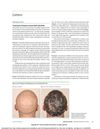
March 2017 in “JAMA Dermatology”
78 citations
,
March 2017 in “JAMA Dermatology” Tofacitinib helped regrow hair in people with severe alopecia, but side effects occurred and benefits stopped after treatment ended.
 10 citations
,
May 1983 in “International Journal of Dermatology”
10 citations
,
May 1983 in “International Journal of Dermatology” Some people with severe hair loss saw hair regrowth after a specific light and drug treatment.
5 citations
,
July 2020 in “Recent patents on inflammation & allergy drug discovery” Childhood Alopecia Areata causes hair loss and requires varied treatments, with psychological support being crucial.
June 2020 in “Dermatologic therapy” Using Janus kinase inhibitors (JAKi) in COVID-19 treatment requires careful consideration due to their immunosuppressive effects.
 4 citations
,
February 2020 in “Journal of Cosmetic Dermatology”
4 citations
,
February 2020 in “Journal of Cosmetic Dermatology” Synthetic hair implants can cause severe scalp problems and removing them improves conditions; natural hair transplants are safer and more effective.
40 citations
,
June 2021 in “Clinical, cosmetic and investigational dermatology” JAK inhibitors show promise in effectively treating hair loss from alopecia areata.
 11 citations
,
January 2022 in “Journal der Deutschen Dermatologischen Gesellschaft”
11 citations
,
January 2022 in “Journal der Deutschen Dermatologischen Gesellschaft” Alopecia areata is a chronic condition causing hair loss, with new treatments targeting the immune system showing promise.
 4 citations
,
January 2020 in “International Journal of Trichology”
4 citations
,
January 2020 in “International Journal of Trichology” Too much epidermal growth factor can cause hair loss.
1 citations
,
June 2025 in “The Journal of Dermatology” Alopecia areata significantly affects mental health and quality of life, with many feeling stigma and few receiving adequate treatment.
 1 citations
,
March 2023 in “Clinical, Cosmetic and Investigational Dermatology”
1 citations
,
March 2023 in “Clinical, Cosmetic and Investigational Dermatology” Current treatments for Alopecia Areata have mixed success, and there's a need for better, more accessible options and support for affected individuals.
 2 citations
,
March 2024 in “Meditsinskiy sovet = Medical Council”
2 citations
,
March 2024 in “Meditsinskiy sovet = Medical Council” JAK inhibitors effectively treat severe atopic dermatitis and alopecia areata.