 September 2025 in “Journal of Phytonanotechnology and Pharmaceutical Sciences”
 Licorice has health benefits but can also cause side effects, so it should be used carefully.

The combined treatment increased hair density in most patients with Androgenetic Alopecia.
 April 2024 in “bioRxiv (Cold Spring Harbor Laboratory)”
 GRK2 is essential for healthy hair follicle function, and its absence can lead to hair loss and cysts.
Alopecia areata patients have higher levels of certain immune receptors, suggesting new treatment possibilities.

COVID-19 may lead to severe skin necrosis without clear underlying causes, as seen in a diabetic patient who required leg amputation.
 May 2022 in “Acta scientific dental sciences”
 Platelet concentrates are useful for tissue repair in medicine and dentistry, with L-PRF showing promising results in various treatments.
 May 2015 in “Journal of Investigative Dermatology”
 Wnt-3a helps grow more skin stem cells, which could lead to new hair loss treatments.

Chrysanthemum zawadskii extract may help treat hair loss by promoting hair growth and affecting growth factors.
 January 2012 in “Methods in pharmacology and toxicology”
 Hair follicle culture helps study hair growth but has limitations in modeling the full hair cycle.
 October 2010 in “Epilepsy Currents”
 Ketogenic diet, neurosteroids, and HMGB1-TLR4 signaling pathway are potential targets for new epilepsy treatments.
 January 2026 in “Frontiers in Cell and Developmental Biology”
 Platelet-derived products can help regenerate the temporomandibular joint by enhancing natural healing processes.

Plakophilin 1 helps control skin cell immune responses to prevent excessive inflammation.
 March 2024 in “Cytologia”
 LncRNA MTC boosts growth of goat skin cells, improving cashmere quality.
 May 2022 in “bioRxiv (Cold Spring Harbor Laboratory)”
 Primary cilia affect the size and oil production of eye glands but not the oil's makeup.
 June 2018 in “Advances in Cosmetic Surgery”
 Hair loss caused by genetics and hormones; more research needed for treatments.
 48 citations
,
January 2012 in “The journal of investigative dermatology/Journal of investigative dermatology”
48 citations
,
January 2012 in “The journal of investigative dermatology/Journal of investigative dermatology” Chemokine signaling is important for hair development.
 1 citations
,
January 2023 in “Portuguese Journal of Dermatology and Venereology”
1 citations
,
January 2023 in “Portuguese Journal of Dermatology and Venereology” JAK inhibitors effectively treat skin conditions and topical forms are safer.

Microneedle technology is effective for skin rejuvenation and enhancing cosmeceutical delivery, with ongoing innovation and increasing commercialization.
 16 citations
,
May 2011 in “Dermatologic therapy”
16 citations
,
May 2011 in “Dermatologic therapy” Effective treatments for severe alopecia areata are still lacking.
 4 citations
,
June 2025 in “Frontiers in Immunology”
4 citations
,
June 2025 in “Frontiers in Immunology” BAFF-targeted therapies can reduce autoimmune disease activity, but more research is needed for precise treatments.
Monocyclic aromatic compounds are important for developing various drugs and treatments.

JAK inhibitors effectively regrow hair in alopecia areata but hair loss often returns after stopping treatment.
 November 2025 in “Bioscientia Medicina Journal of Biomedicine and Translational Research”
 A combined treatment with microneedling and vitamin D3 led to complete hair regrowth in a woman with stubborn patch alopecia areata.
 January 2025 in “International Journal of Zoological Investigations”
 Myristica fragrans shows promise as an anti-inflammatory agent.
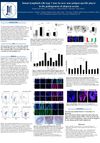
Innate lymphoid cells type 1 may contribute to alopecia areata by damaging hair follicles.
 4 citations
,
September 2020 in “Cell division”
4 citations
,
September 2020 in “Cell division” XMU-MP-1 stops cell growth in a human mini-organ and reduces the effectiveness of the chemotherapy drug paclitaxel.
 202 citations
,
August 2017 in “Nature cell biology”
202 citations
,
August 2017 in “Nature cell biology” Lactate production is important for activating hair growth stem cells.
 32 citations
,
August 2019 in “Nature Communications”
32 citations
,
August 2019 in “Nature Communications” Chemotherapy causes permanent hair follicle damage by triggering stem cell loss.
 March 2026 in “Frontiers in Cell and Developmental Biology”
 Vascular endothelial cells may significantly influence skin stem cells, but more research is needed.
 January 2026 in “International Journal of All Research Education & Scientific Methods”
 Alopecia is caused by various factors, and new treatments like gene editing and regenerative medicine offer hope for personalized hair regrowth solutions.