6 citations
,
March 2023 in “Frontiers in Cellular and Infection Microbiology” Golvatinib shows promise as a treatment for Omicron in elderly patients.
5 citations
,
February 2022 in “Biophysical journal” The model shows that filament flexibility and amino acid differences affect how fast intermediate filament proteins assemble.
7 citations
,
August 2025 in “Plants” Selenium from plants is beneficial and safer for health.
 9 citations
,
November 2018 in “Drug Discovery Today”
9 citations
,
November 2018 in “Drug Discovery Today” Using skin stem cells and certain molecules might lead to scar-free skin healing.
1 citations
,
October 2025 in “Journal of Microbiology and Biotechnology” Natural extracts may promote hair growth with fewer side effects than conventional treatments.
 March 2026 in “Communications Biology”
 Certain compounds can boost hair and nail growth.
 6 citations
,
January 2021 in “Annals of Dermatology”
6 citations
,
January 2021 in “Annals of Dermatology” 650 nm red light helps hair grow and prevents hair loss by affecting certain genes and biological processes.
9 citations
,
July 2020 in “Cell Proliferation” Epiregulin can help hair grow and may be useful for treating hair loss.
1 citations
,
May 2022 in “IntechOpen eBooks” Natural products might help treat COVID-19, but current drugs like hydroxychloroquine haven't worked.
 26 citations
,
December 2016 in “Pharmacology & Therapeutics”
26 citations
,
December 2016 in “Pharmacology & Therapeutics” New drugs for heart disease may be developed from molecules secreted by stem cells.
9 citations
,
June 2023 in “Cells” Certain natural and synthetic compounds may help treat inflammatory skin diseases by targeting a specific signaling pathway.
3 citations
,
December 2023 in “Biomedicines” PRP therapy helps skin heal and improve by promoting cell growth and repair.
ISX9 helps regrow hair by activating a specific cell signaling pathway.
 21 citations
,
May 2022 in “Frontiers in Cell and Developmental Biology”
21 citations
,
May 2022 in “Frontiers in Cell and Developmental Biology” Hair growth and health are influenced by factors like age, environment, and nutrition, and are controlled by various molecular pathways. Red light can promote hair growth, and understanding these processes can help treat hair-related diseases.
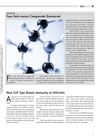 December 2011 in “Asia-Pacific biotech news”
 In 2011, there were major scientific breakthroughs in cancer treatment, immunity, Parkinson's, virus simulation, schizophrenia, hair growth, lung cancer, and medical grafts.
 1 citations
,
May 2017 in “InTech eBooks”
1 citations
,
May 2017 in “InTech eBooks” Hair loss in Androgenetic alopecia (AGA) is due to altered cell sensitivity to hormones, not increased hormone levels. Hair growth periods shorten over time, causing hair to become thinner and shorter. This is linked to miscommunication between cell pathways in hair follicles. There's also a change in gene expression related to blood vessels and cell growth in balding hair follicles. The exact molecular causes of AGA are still unclear.
 26 citations
,
February 2020 in “International Journal of Biological Macromolecules”
26 citations
,
February 2020 in “International Journal of Biological Macromolecules” Chitosan-coated dutasteride nanocapsules improve hair treatment, and physical stimulation boosts effectiveness.
6 citations
,
June 2024 in “Medical Review” Biliary fibrosis is crucial in liver diseases and understanding it can help prevent and treat these conditions.
4 citations
,
May 2025 in “International Journal of Nanotechnology and Nanomedicine” Nanocarriers show promise for improving skin drug delivery in treating skin conditions.
 191 citations
,
May 2018 in “British journal of dermatology/British journal of dermatology, Supplement”
191 citations
,
May 2018 in “British journal of dermatology/British journal of dermatology, Supplement” Alopecia areata is likely an autoimmune disease with unclear triggers, involving various immune cells and molecules, and currently has no cure.
 7 citations
,
January 2022 in “Plants”
7 citations
,
January 2022 in “Plants” Rice husk and bran extracts from the Bue Bang 3 CMU variety can potentially treat hair loss due to their antioxidant, anti-inflammatory, and anti-androgenic properties.
 150 citations
,
October 2010 in “The American Journal of Pathology”
150 citations
,
October 2010 in “The American Journal of Pathology” The document concludes that more research is needed to better understand and treat primary cicatricial alopecias, and suggests a possible reclassification based on molecular pathways.
 10 citations
,
September 2018 in “Regenerative Medicine”
10 citations
,
September 2018 in “Regenerative Medicine” New hair can grow from large wounds in mice, but less so as they age, involving reprogramming of skin cells and specific molecular pathways.
November 2025 in “Journal of Dermatological Treatment” PRP combined with minoxidil may help treat hair loss, but better methods and standardized practices are needed.
Understanding hair follicle communication can help treat hair loss.
November 2022 in “International Journal of Applied Pharmaceutics” Ergostadienol from Moringa seed oil may help prevent hair loss.
 100 citations
,
September 2017 in “Molecular and Cellular Endocrinology”
100 citations
,
September 2017 in “Molecular and Cellular Endocrinology” Male hormones and their receptors play a key role in hair loss and skin health, with potential new treatments being explored.
 February 2026 in “Preprints.org”
 New therapies and personalized approaches improve wound healing and patient quality of life.
January 2020 in “Indian Journal of Pharmaceutical Sciences” Natural products show promise for new hair loss treatments.
10 citations
,
July 2023 in “Pharmaceuticals” The gel with coral extract and pectin nanoparticles helps heal chronic wounds.