Search
for
Sort by
Research
720-750 / 1000+ resultsresearch CD271 orchestrates skin structure, differentiation, and inflammation via PI3K/Akt and PKCα/ERK pathways
CD271 is crucial for maintaining healthy skin and preventing inflammation.
research Regulation of Involucrin Gene Expression
Involucrin gene expression is controlled by specific proteins and signaling pathways.

research Immune signatures of psoriasis: Comparison of genetic expression profiles in psoriasis patients after therapy with biologic agents
Treatment with biologic agents can significantly improve psoriasis symptoms, and blood biomarkers could potentially predict individual patient's response to treatment.
research Spectrum of clinical manifestations of SLE patients from India and its correlation with KIR gene polymorphism
Certain KIR genes in Indian SLE patients are linked to disease severity and could be biomarkers.

research Metabolic and transcriptomic reprogramming during contact inhibition-induced quiescence is mediated by YAP-dependent and YAP-independent mechanisms
Quiescent cells have increased mitochondrial activity and ECM gene expression, but reduced glycolysis.

research Janus Kinase Inhibitors against Other Biological Treatments in Alopecia Areata
Janus kinase inhibitors show promise in treating alopecia areata but need more safety research.
research Soluble CD83 improves and accelerates wound healing by the induction of pro-resolving macrophages
Soluble CD83 speeds up wound healing and reduces scarring.
research [JAK INHIBITORS FOR THE TREATMENT OF ALOPECIA AREATA].
JAK inhibitors may become the first approved treatment for alopecia areata if they are proven safe and effective.

research Physiological Doses of Red Light Induce IL‐4 Release in Cocultures between Human Keratinocytes and Immune Cells
Red light at 627 nm can safely trigger IL-4 release in skin cells, potentially helping treat inflammatory skin conditions.
research Keratosis Pilaris-like Eruption during Treatment of Chronic Myeloid Leukemia with Tyrosine Kinase Inhibitors: Literature Review and Report of a Case Related to Imatinib
Some leukemia treatments can cause skin reactions similar to keratosis pilaris.
research Evaluation of serum levels of IL-6, IL-10, and TNF-a in alopecia areata patients: A systematic review and meta-analysis
Alopecia areata patients have higher levels of IL-6 and TNF-α.
research Evaluation of cardiovascular disease risk factors in patients with mycosis fungoides
Patients with mycosis fungoides have a higher risk of heart disease.
research Tea Polyphenol–Zinc Nanocomplexes Alleviate Diquat-Induced Liver and Small Intestine Oxidative Stress in C57BL/6 Mice
Tea polyphenol–zinc helps protect the liver and intestines from oxidative stress.
research Infectious events in patients with alopecia areata treated with JAK inhibitors: low burden and minimal impact on persistence in treatment
Infections during JAK inhibitor treatment for alopecia areata are usually manageable and rarely stop treatment permanently.
research Editors' Picks
Collagen VII helps skin heal and stay strong, sirolimus may lower skin cancer risk in kidney transplant patients, high-molecular-mass hyaluronan helps naked mole rats resist cancer, dermal γδ T cells aid in hair growth in rodents, and overexpression of IL-33 in mouse skin causes itchiness, offering a model for studying allergic inflammation treatments.
research Enhancement of Immune Responses Elicited by Nanovaccines through a Cross-Presentation Pathway
research 083 More Expression of IL-17 than IFN-γ from CD49a-negative Tissue-Resident Memory T (Trm) cells at the Hair Bulge and Hair Bulb Region in the Scalp of Chronic Alopecia Areata Patients according to the Foxp3+mTregs depletion
IL-17 and certain immune cells are linked to more severe alopecia areata.
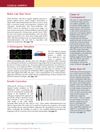
research Clinical Snippets
Some cells may slow melanoma growth, a protein could affect skin pigmentation, a gene-silencing method might treat hair defects, skin bacteria changes likely result from eczema, and a defensin protein could help treat multiple sclerosis.
research Issue Information
research Cytokine Targeted Therapeutics for Alopecia Areata: Lessons from Atopic Dermatitis and Other Inflammatory Skin Diseases
Targeted cytokine treatments may help with alopecia areata, but more research is needed.

research Pharmacologic inhibition of JAK-STAT signaling promotes hair growth
Blocking JAK-STAT signaling can lead to hair growth.
research CHARACTERISTICS OF IBA-1-IMMUNOPOSITIVE CELLS IN SKIN WOUNDS HEALING
Macrophages play a crucial role in skin wound healing, with their numbers and sizes changing over time.

research The TRPM5 Antagonist Triphenylphosphine Oxide Increases Sebaceous Lipogenesis and Modulates Immune Phenotype of Human Sebocytes in a TRPM5‐Independent Manner
Triphenylphosphine oxide can increase oil production and reduce inflammation in skin cells without affecting TRPM5.
research Effect of oleuropein on mRNA and protein expression of growth factors in C57BL/6N mouse skin tissue.
Oleuropein increases IGF-1 levels in mouse skin.
research Androgen Receptor Blockade Induces the Phagocytosis of MRSA and Pseudomonas aeruginosa by Monocyte-Derived Macrophages In Vitro
Blocking androgen receptors helps immune cells better fight certain bacteria.
research Effect of Systemic Immunomodulators on Incidence of Alopecia Areata: A Retrospective Cohort Study
Leflunomide may lower alopecia areata risk, while other immunomodulators might increase it.
research Analysis of Sequences Controlling Tissue-Specific and Hyperproliferation-Related Keratin 6 Gene Expression in Transgenic Mice
K6 gene expression can be controlled and manipulated in mice for studying skin disorders.
research Eosinophilic folliculitis of the scalp associated with PD‐1/PDL1 inhibitors
Immune checkpoint inhibitors can cause scalp inflammation and hair follicle issues.
research Class IIa HDAC4 and HDAC7 cooperatively regulate gene transcription in Th17 cell differentiation
HDAC4 and HDAC7 are crucial for Th17 cell development and could be targeted to treat inflammatory diseases.