 1 citations
,
December 2022 in “̒Ulūm-i dārūyī”
1 citations
,
December 2022 in “̒Ulūm-i dārūyī” The new wound dressing with minoxidil and dexamethasone could speed up healing and reduce scarring in rats.
March 2025 in “Digital Library of Theses and Dissertations (Universidade de São Paulo)” Ferulic acid and resveratrol protect hair from chemical and sun damage.
 October 2025 in “Journal of the Korean Society of Cosmetology”
 Dandelion extract mist protects hair from heat damage and improves styling.
 March 2026 in “Critical Care Medicine”
 Methylene blue can effectively treat severe low blood pressure from minoxidil overdose when standard treatments fail.
 3 citations
,
August 1980 in “Acs Symposium Series”
3 citations
,
August 1980 in “Acs Symposium Series” Hair increases in size when it absorbs water, and treatments like bleaching affect how much water it can take in.
48 citations
,
May 2021 in “Molecules” Plant extracts from dry flowers can be used as safe, effective dyes in cosmetics, offering skin protection and anti-aging benefits.
March 2026 in “ACS Applied Materials & Interfaces” A new dissolving microneedle system effectively delivers minoxidil for hair regrowth with minimal side effects.
 January 2010 in “Nihon Hou Kagaku Gijutsu Gakkaishi”
 The modified staining method can determine the ABO blood group of hair samples accurately.
 6 citations
,
August 2014 in “Spectroscopy Letters”
6 citations
,
August 2014 in “Spectroscopy Letters” The analysis shows where minoxidil's atoms are likely to react and describes its electronic transitions and behavior with temperature changes.
 May 2026 in “Zenodo (CERN European Organization for Nuclear Research)”
 The herbal mehendi gel safely colors hair and nourishes the scalp.
 January 2026 in “SSRN Electronic Journal”
 Riboflavin with blue light speeds up hair dyeing, making it faster, safer, and long-lasting with less hair damage.
 4 citations
,
July 2022 in “International Journal of Cosmetic Science”
4 citations
,
July 2022 in “International Journal of Cosmetic Science” Hair moisture behavior helps tell apart different chemical treatments and reveals insights into hair structure.
April 2026 in “Applied Materials Today” The dressing helps heal chronic wounds by swelling and releasing drugs when needed.
24 citations
,
January 2001 in “International Journal of Cancer” Permanent hair dye use may increase bladder cancer risk, especially in female smokers with certain genetic traits.
July 2026 in “Scientific Reports” Felting wool changes its fatty acid makeup, affecting its structure and water resistance.
 October 2022 in “Journal of Kermanshah University of Medical Sciences”
 Different substances can affect how well the skin absorbs minoxidil, a hair loss drug. Caprylic acid helps the skin absorb it the best, followed by propylene glycol and water.
 27 citations
,
August 1984 in “Experimental and Molecular Pathology” July 2025 in “Journal of Investigative Dermatology”
27 citations
,
August 1984 in “Experimental and Molecular Pathology” July 2025 in “Journal of Investigative Dermatology” DACC-based dressings are more effective than silver-based ones for treating chronic wounds with antimicrobial resistance.
 7 citations
,
February 2019 in “Journal of Molecular Liquids”
7 citations
,
February 2019 in “Journal of Molecular Liquids” Minoxidil dissolves better in propylene glycol and water as temperature and propylene glycol amount increase.

NaOH treatment improves hair strength and suitability for textiles.
 October 2025 in “Journal of Molecular Structure”
 Hyaluronic acid microneedles help deliver minoxidil derivatives effectively for hair regrowth.
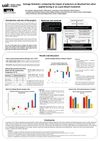 June 2017 in “University of the Arts London Research Online (University of the Arts London)”
 Polymers help reduce damage and improve bleached hair when used during or after bleaching.
 3 citations
,
January 2007 in “Journal of health science”
3 citations
,
January 2007 in “Journal of health science” The enzymatic method can effectively identify chemical treatments on hair.
 13 citations
,
March 2006 in “International Journal of Cosmetic Science”
13 citations
,
March 2006 in “International Journal of Cosmetic Science” The study found that a polymer treatment changes the charge on hair surfaces, making bleached hair smoother and less porous.
 June 2021 in “Journal of emerging technologies and innovative research”
 Onion and Aloe vera can help protect hair from damage caused by hair dyes.
 May 2025 in “International Journal of Pharmacognosy and Chemistry”
 A new accurate and cost-effective method was developed to measure Minoxidil in different forms.
January 1994 in “Journal of the society of cosmetic chemists” 20 citations
,
February 1968 in “Journal of Histochemistry & Cytochemistry” A new test more accurately detects citrulline in hair follicles and pilomatrixomas.
March 2026 in “Advanced Healthcare Materials” 7 citations
,
January 1992 in “Skin Pharmacology and Physiology” Minoxidil binds to hair pigment but doesn't affect hair growth.