 February 2026 in “Frontiers in Medical Technology”
 Keratinocyte stem cells are crucial for skin renewal and have potential in wound healing and tissue regeneration.
 January 2026 in “Physical Education Health and Social Sciences”
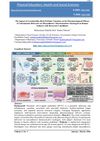
 Combining probiotics, clotrimazole gel, and laser therapy improves treatment for recurrent yeast infections.

The study found that different genes are active in cashmere goats' hair growth stages, which can help improve cashmere production.
 January 2026 in “Nano-Micro Letters”
 4D scaffolds made with melt electrowriting can change shape for use in medicine.
 January 2026 in “Open Life Sciences”
 Exosomes from stem cells help repair irradiated salivary glands by boosting cell growth.
 January 2026 in “ITM Web of Conferences”
 Better datasets and methods are needed for reliable vitiligo detection using deep learning.
 December 2025 in “Nature Communications”
 Blocking IL-17a can improve age-related smell loss in mice.
 December 2025 in “Journal of Advanced Biotechnology and Experimental Therapeutics”
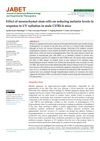
 Mesenchymal stem cells may help reduce melanin in UV-exposed mice.
 December 2025 in “Universal library of medical and health sciences.”
 Amino acids like arginine and cysteine protect hair during chemical treatments, keeping it strong and less brittle.
 November 2025 in “Scientific Reports”
 Blinking at least 20 times per minute helps maintain eye moisture and reduce dry eye symptoms.
 November 2025 in “Nanoscale Advances”
 Inorganic nanoparticle-based scaffolds can improve wound healing by fighting bacteria and helping tissue grow.
 November 2025 in “Frontiers in Immunology”
 Stem cell activity influences autoimmune disease outcomes by affecting immune responses and tissue regeneration.
 November 2025 in “Frontiers in Oncology”
 Sphaeranthus indicus and silver nanoparticles can help treat liver cancer by killing cancer cells.
 November 2025 in “Clinical Cosmetic and Investigational Dermatology”
 The plant combination effectively repairs skin and delays aging.
 October 2025 in “Scientific Reports”
 AR gene variations don't affect aging markers in men.
 October 2025 in “Asian Journal of Pharmaceutical Research and Development”
 Phytosome technology improves the absorption and effectiveness of citrus flavonoids.
 October 2025 in “International Journal of Cell and Biomedical Science”
 hUC-MSC secretome can help regrow hair in cases of hair loss.
 September 2025 in “Journal of Drug Delivery and Therapeutics”
 Targeting hair follicles can effectively promote hair growth and treat hair disorders.
 September 2025 in “BULLETIN OF STOMATOLOGY AND MAXILLOFACIAL SURGERY”
 Better supportive care is needed to manage chemotherapy side effects.
 June 2025 in “Reports of Vinnytsia National Medical University”
 Men with alopecia areata tend to have larger limb and trunk circumferences than healthy men.

PmtHEE is a better model for studying pigmented skin because it includes melanocytes and shows improved cell differentiation.
 April 2025 in “Cellular and Molecular Biology”
 Human dermal stem/progenitor cells can divide and differentiate more than hair follicle dermal papilla cells.
 March 2025 in “Frontiers in Pharmacology”
 The hydrogel dressing rapidly heals wounds and promotes blood clotting better than existing options.
 January 2025 in “INTERANTIONAL JOURNAL OF SCIENTIFIC RESEARCH IN ENGINEERING AND MANAGEMENT”
 Herbal hair conditioners nourish and protect hair naturally without harsh chemicals.
 January 2025 in “Directory of Open access Books (OAPEN Foundation)”
 PCOS affects women's hormones and metabolism, but can be managed with lifestyle changes and treatments.
 December 2024 in “Deleted Journal”
 New therapies show promise for wound healing, but more research is needed for safe, affordable options.
 November 2024 in “International Journal of Plant and Environment”
 Sphenodesme involucrata var. paniculata is a safe and healthy medicinal plant with beneficial nutrients.
 August 2024 in “Journal of the Korean Society of Cosmetology”
 Wild peach leaf extract improves hair strength, thickness, and shine after dyeing.
 August 2024 in “Life Science Alliance”
 Helminth protein helps wounds heal better by reducing scarring and promoting tissue growth.

Dexamethasone-primed stem cell media shows promise in treating lupus by reducing symptoms and inflammation.