9 citations
,
January 2023 in “Journal of Clinical Medicine” The FFA-QLI is a reliable tool for assessing quality of life in women with severe Frontal Fibrosing Alopecia.
 71 citations
,
October 2008 in “The journal of investigative dermatology/Journal of investigative dermatology”
71 citations
,
October 2008 in “The journal of investigative dermatology/Journal of investigative dermatology” HFMs can help study hair growth and test potential hair growth drugs.
7 citations
,
June 2017 in “Gene” Overexpression of FGF5s makes Chinese Merino sheep grow longer and heavier wool.
2 citations
,
January 2017 in “International Journal of Trichology” Trichoscopy can reveal specific hair and scalp changes in linear morphea.
 5 citations
,
July 2019 in “Photodiagnosis and photodynamic therapy”
5 citations
,
July 2019 in “Photodiagnosis and photodynamic therapy” Using tacalcitol ointment with photodynamic therapy may effectively treat follicular mucinosis with scalp hair loss.
 February 2024 in “Skin research and technology”
 The research suggests that immune cells and a specific type of cell death called ferroptosis are involved in Frontal fibrosis alopecia.
 1 citations
,
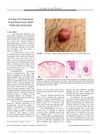
February 2017 in “The American journal of dermatopathology/American journal of dermatopathology”
1 citations
,
February 2017 in “The American journal of dermatopathology/American journal of dermatopathology” A man with a skin nodule was diagnosed with a rare skin condition called cutaneous focal mucinosis, which can be confused with other skin cancers.
March 2005 in “Journal of the American Academy of Dermatology” Cosmetic treatments can replenish key amino acids in damaged hair, improving its strength and appearance.
 17 citations
,
June 1996 in “The Journal of Steroid Biochemistry and Molecular Biology”
17 citations
,
June 1996 in “The Journal of Steroid Biochemistry and Molecular Biology” FCE 28260 is a stronger and longer-lasting inhibitor of 5α-reductase than finasteride, which may make it a better treatment for certain medical conditions.
May 2025 in “Journal of Clinical Medicine” Women with alopecia areata have poor blood flow, possibly due to nerve inflammation.
 April 2026 in “Zenodo (CERN European Organization for Nuclear Research)”
 The model improves understanding of androgen interactions by focusing on signal intensity and system capacity.
 68 citations
,
May 2016 in “Experimental dermatology”
68 citations
,
May 2016 in “Experimental dermatology” FFA's causes may include environmental triggers and genetic factors.
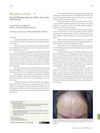 May 2019 in “Anais brasileiros de dermatologia/Anais Brasileiros de Dermatologia”
 Frontal fibrosing alopecia mostly affects postmenopausal women, with diagnosis often delayed by 3 years.
73 citations
,
June 2006 in “Animal genetics” The FGF5 gene determines hair length in dogs.
July 2026 in “Dermatology Practical & Conceptual” Trichoscopy is important for diagnosing Folliculotropic Mycosis Fungoides on the scalp.
 1 citations
,
December 2017 in “Anais Brasileiros de Dermatologia”
1 citations
,
December 2017 in “Anais Brasileiros de Dermatologia” Frontal fibrosing alopecia can mimic traction alopecia but has distinct features like facial papules and eyebrow thinning.
 April 2026 in “Zenodo (CERN European Organization for Nuclear Research)”
 The model improves understanding of androgen interactions by focusing on signal intensity and system capacity.
January 2012 in “Chinese Clinical Oncology” Disodium folinate can safely and effectively replace calcium folinate in colorectal cancer treatment.
 4 citations
,
January 2020 in “Skin appendage disorders”
4 citations
,
January 2020 in “Skin appendage disorders” A woman with an unusual pattern of hair loss was confirmed to have Frontal Fibrosing Alopecia and treated with specific medications.
 February 2011 in “Journal of the American Academy of Dermatology”
 A 60-year-old man with a long-term balding condition also developed a rare hair loss condition usually seen in postmenopausal women.
 33 citations
,
January 2015 in “Journal of Cosmetic Dermatology”
33 citations
,
January 2015 in “Journal of Cosmetic Dermatology” Familial frontal fibrosing alopecia affects premenopausal women too, and early diagnosis is important, but no proven medication exists yet.
4 citations
,
January 2009 in “International journal of trichology” Minoxidil topical foam is a better, less irritating treatment for hair loss.
27 citations
,
September 2013 in “The FASEB Journal” Losing Memo protein shortens lifespan and affects health.
October 2019 in “International Journal of Research in Dermatology” Combining minoxidil and spironolactone is more effective for female hair loss, but minoxidil alone is sufficient after 6 months.
 12 citations
,
May 2019 in “Molecular Medicine Reports”
12 citations
,
May 2019 in “Molecular Medicine Reports” Forsythiaside A helps reduce brain damage from lack of blood flow by activating certain protective pathways.
 9 citations
,
January 2020 in “Postepy Dermatologii I Alergologii”
9 citations
,
January 2020 in “Postepy Dermatologii I Alergologii” Frontal fibrosing alopecia is a poorly understood condition with increasing cases and unclear treatment effectiveness.
 4 citations
,
January 2011 in “Analytical Letters”
4 citations
,
January 2011 in “Analytical Letters” The method quickly and accurately measures minoxidil in drugs, comparable to standard techniques.
 March 2005 in “Journal of The American Academy of Dermatology”
 Mycophenolate mofetil improved skin condition in a man with nephrogenic fibrosing dermopathy.
 4 citations
,
April 2018 in “Biotechnology Letters”
4 citations
,
April 2018 in “Biotechnology Letters” Human growth factor 20 can boost mouse whisker growth.
July 2026 in “Materials Today Bio” The MQ complex helps heal melanoma wounds by controlling ROS levels with light.