October 2022 in “Hair Transplantation” Motorized FUE with blunt punches improved hair restoration by reducing damage during graft harvesting.
 4 citations
,
August 2021 in “Journal of Cosmetic Dermatology”
4 citations
,
August 2021 in “Journal of Cosmetic Dermatology” Ergonomic improvements in hair transplant surgery reduce discomfort for surgeons and may improve patient outcomes.
 26 citations
,
October 2012 in “Dermatologic Clinics”
26 citations
,
October 2012 in “Dermatologic Clinics” The document details hair transplantation techniques and innovations, highlighting Follicular Unit Transplantation as the standard and discussing the effectiveness and challenges of the procedure.
 32 citations
,
July 2011 in “Facial Plastic Surgery”
32 citations
,
July 2011 in “Facial Plastic Surgery” New hair transplant methods offer more natural results and better graft survival, with ongoing research to increase donor hair options.
 December 2024 in “Journal of Cutaneous and Aesthetic Surgery”
 Advanced FUE systems have evolved to improve precision and efficiency in hair transplantation.
 8 citations
,
March 2016 in “Hair transplant forum international”
8 citations
,
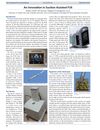
March 2016 in “Hair transplant forum international” The new FUE device improves hair transplant safety and efficiency.
 2 citations
,
January 2011 in “Lecture Notes in Computer Science”
2 citations
,
January 2011 in “Lecture Notes in Computer Science” A proposed robotic system could make hair harvesting for baldness treatment faster and more precise.
 4 citations
,
June 2018 in “Journal of Cosmetic Dermatology”
4 citations
,
June 2018 in “Journal of Cosmetic Dermatology” The new A-design punch for hair restoration surgery may lead to smaller scars compared to other types.
 1 citations
,
January 2017 in “Journal of Aesthetic & Reconstructive Surgery”
1 citations
,
January 2017 in “Journal of Aesthetic & Reconstructive Surgery” Combining FUT and FUE hair transplant methods in one session provides more grafts and higher patient satisfaction.
 6 citations
,
March 2017 in “Plastic and reconstructive surgery. Global open”
6 citations
,
March 2017 in “Plastic and reconstructive surgery. Global open” Both pretrimmed and direct nonshaven methods are effective for hair transplants; pretrimmed takes longer but yields denser, longer hair.
 13 citations
,
November 2018 in “Annals of Plastic Surgery”
13 citations
,
November 2018 in “Annals of Plastic Surgery” Nonshaven follicular unit extraction is a good hair transplant option that doesn't require shaving and can transplant up to 3000 grafts daily.
 31 citations
,
November 2013 in “Dermatologic Clinics”
31 citations
,
November 2013 in “Dermatologic Clinics” The ARTAS robotic system for hair restoration is efficient with fewer cuts than manual methods, but it's limited to certain hair types and can still leave scars.
 June 2020 in “Journal of cosmetic medicine”
 Eyebrow transplants use hair from the scalp or pubic area, with blonde hair looking more natural, and can leave scars depending on the method used.
 January 2016 in “Georg Thieme Verlag eBooks”
 Hair transplantation in East Asians needs special techniques to ensure natural results and prevent complications due to their unique hair and scalp characteristics.

Modern hair restoration techniques can effectively treat hair loss and provide natural-looking results.
 1 citations
,
May 2021 in “International Journal of Dermatology”
1 citations
,
May 2021 in “International Journal of Dermatology” Long hair follicular unit excision is effective for hair transplants, providing quick, natural-looking results with less pain but needs more time, staff, and skill.
 July 2018 in “Hair transplant forum international”
 To prevent thinning in the donor area, harvest less than 50% of the original hair density in repeat hair transplants.
 2 citations
,
May 2018 in “PubMed”
2 citations
,
May 2018 in “PubMed” Follicular Unit Extraction should be limited to preserve donor hair density and avoid side effects.
 August 2023 in “Clinical, Cosmetic and Investigational Dermatology”
 The new hair transplant device reduces damage to hair follicles and makes surgery more comfortable for the surgeon.
9 citations
,
March 2018 in “Plastic and Aesthetic Research” Direct hair implantation with special pens improves hair transplant precision and effectiveness.
 23 citations
,
September 2014 in “Journal of The American Academy of Dermatology”
23 citations
,
September 2014 in “Journal of The American Academy of Dermatology” The robotic hair restoration device had a high success rate and was faster than manual methods for Korean patients.
 November 2025 in “International Journal of Zoology and Applied Biosciences”
 New technologies like AI, robotics, and stem cells have made hair transplants more effective and natural-looking.
 February 2024 in “Journal of Robotic Surgery”
 The document concludes that surgical robots improve surgery and recovery but are costly and can stress surgeons due to less patient contact.
 November 2023 in “Computational and Structural Biotechnology Journal”
 A single robotic system can accurately harvest and implant hair grafts, showing promise for real-world use.
 3 citations
,
October 2021 in “Indian Journal of Plastic Surgery”
3 citations
,
October 2021 in “Indian Journal of Plastic Surgery” Follicular unit extraction is a hair transplant method that can leave small scars and uses various tools for harvesting hair from different body parts.
 41 citations
,
August 2013 in “Facial Plastic Surgery Clinics of North America”
41 citations
,
August 2013 in “Facial Plastic Surgery Clinics of North America” FUE provides minimal scarring and quick recovery in hair transplantation, and surgeons not using it may lag in technology.
 1 citations
,
June 2017 in “Actas Dermo-Sifiliográficas”
1 citations
,
June 2017 in “Actas Dermo-Sifiliográficas” Follicular Unit Extraction (FUE) is a hair transplant method with less scarring and discomfort but requires skilled surgeons and has limitations on graft numbers per session.
 August 2014 in “Plastic Surgery”
 Dr. WP Unger suggested that traditional strip harvesting might be better for hair transplants than Follicular Unit Extraction due to higher hair survival rates and less risk of a patchy look at the donor site.
 September 2017 in “Springer eBooks”
 FUE hair transplants have improved to give more natural results with less scarring and pain.
 4 citations
,
November 2016 in “International Society of Hair Restoration Surgery”
4 citations
,
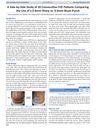
November 2016 in “International Society of Hair Restoration Surgery” Both punch types are effective, but they differ in transection rates and ease of use.