June 2025 in “Journal of Cosmetic Dermatology” Excessive scalp massage after using minoxidil can cause hair damage, but reducing massage and using MSC exosomes can help.
Mesenchymal Stem Cell Conditioned Media can significantly regrow hair in alopecia areata patients.
August 2024 in “International Journal of Molecular Sciences” Mesenchymal Stem Cell therapy shows promise for treating hair loss in Alopecia Areata.
 January 2024 in “Journal of Biosciences and Medicines”
 Future treatments for androgenic alopecia may focus on reactivating hair follicle stem cells and improving drug delivery.
 November 2023 in “Klìtinna ta organna transplantologìâ”
 MSC-derived exosomes can help treat COVID-19, hair loss, skin aging, and arthritis.
 September 2023 in “Stem cell reviews and reports”
 Scientists found a new, less invasive way to get stem cells from horse hair for veterinary medicine.
 July 2023 in “Bioengineering & translational medicine”
 Mesenchymal stem cell proteins in a special gel improved healing of severe burns.
 May 2023 in “International Journal of Molecular Sciences”
 Mesenchymal stem cells could help treat radiation-induced bladder damage but more research is needed to overcome current limitations.
Stem cell therapy shows promise for better burn healing but needs more research and standardization.
MSC-CM improved aged skin in mice.
MSC-CM cream may help repair and improve aging skin.
September 2016 in “Journal of dermatological science” Human induced pluripotent stem cells can be used to create cells that help grow hair.
MSC-CM cream speeds up burn wound healing better than the control treatment.
 May 2026 in “International Journal of Molecular Sciences”
 Plucked hair follicles can be used for regenerative therapies and personalized medicine.
April 2026 in “Journal of Plastic Reconstructive & Aesthetic Surgery” Plastic surgery journals should require standardized reporting for biologics studies to improve research quality.
 February 2026 in “MedScien”
 Mesenchymal stem cells can help delay skin aging and improve wound healing.
 December 2025 in “Academic Journal of Science and Technology”
 Mesenchymal stem cells can effectively aid skin healing and anti-aging.
 November 2025 in “IECCMEXICO”
 Regenerative therapies are improving aesthetic surgery by enhancing tissue quality and healing.
October 2025 in “International Journal of Molecular Sciences” Stem cells have great potential for treating various medical conditions.
 October 2025 in “Cell Transplantation”
 New hair loss treatments like stem cells and gene therapy show promise but need more research for safety and effectiveness.
Stem cell treatments show promise for improving skin and hair, but need more research and standardization.
 December 2024 in “Pharmaceutics”
 Extracellular vesicles show promise for treating psoriasis by reducing inflammation and skin lesions.
 July 2024 in “Journal Of Stem Cell Research”
 Mesenchymal stem cells improve skin appearance and structure in dermatology and aesthetic medicine.
 April 2024 in “Military Medical Research/Military medical research”
 Cellular and immunotherapies show promise for healing chronic wounds but need more research.
April 2024 in “Biomolecules” Exosomal miRNAs from stem cells can help improve skin health and delay aging.
March 2024 in “Biomedicines” Mesenchymal stem cells show promise for effective skin repair and regeneration.
 February 2024 in “World journal of stem cells”
 Adipose-derived stem cells can help repair and improve eye tissues and appearance.
 February 2024 in “International Journal of Biological Macromolecules”
 The study created a new type of microsphere that effectively regrows hair.
 November 2023 in “International Journal of Medical Sciences”
 New regenerative medicine-based therapies for hair loss look promising but need more clinical validation.
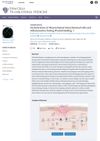 July 2023 in “Stem Cells Translational Medicine”
 Mesenchymal Stem/Stromal Cells (MSCs) help in wound healing and tissue regeneration, but can also contribute to tumor growth. They show promise in treating chronic wounds and certain burns, but their full healing mechanisms and potential challenges need further exploration.