 19 citations
,
July 2015 in “Journal of inherited metabolic disease”
19 citations
,
July 2015 in “Journal of inherited metabolic disease” Methionine restriction works better than betaine for treating CBS deficiency symptoms in mice.
 March 2024 in “Research Square (Research Square)”
 Sex steroids affect the MafB gene differently in male and female hamsters.
6 citations
,
June 2012 in “PloS one” A new mRNA variant of the SCF gene in sheep skin produces a shorter, different protein.
The microenvironment affects the behavior and survival of melanocytes with the GNAQ oncogene in melanoma.
 14 citations
,
March 1995 in “Journal of cell science”
14 citations
,
March 1995 in “Journal of cell science” SV40 T antigen in hair follicles causes abnormal hair and health issues in mice.
January 2010 in “Acta Laboratorium Animalis Scientia Sinica” The UHS promoter is specific to mouse hair follicles.
July 2022 in “Journal of Investigative Dermatology” Inhibiting TYK2 can restore hair growth in alopecia areata.
November 2012 in “Experimental and Clinical Endocrinology & Diabetes” A new genetic mutation causes severe Leydig cell hypoplasia, affecting sexual development.
 33 citations
,
June 2017 in “Developmental Biology”
33 citations
,
June 2017 in “Developmental Biology” Mice can correct hair follicle orientation without certain genes, but proper overall alignment needs those genes.
27 citations
,
September 2013 in “The FASEB Journal” Losing Memo protein shortens lifespan and affects health.
 66 citations
,
December 2014 in “Nature Communications”
66 citations
,
December 2014 in “Nature Communications” Fibroblasts can be turned into melanocytes for potential skin treatments.
180 citations
,
June 2004 in “Journal of Pharmacology and Experimental Therapeutics” Progesterone's seizure-reducing effects are mainly due to allopregnanolone, not progesterone receptors.
1 citations
,
January 2016 in “Journal of Biosciences and Medicines” The ACTH/MC2R system is crucial for controlling hair growth cycles in mice.
17 citations
,
September 2018 in “Matrix Biology” Laminin-511 is essential for proper melanocyte movement and development in mice.
8 citations
,
December 2003 in “Experimental Dermatology” Altering the keratin 17 gene in mice hair follicles caused temporary hair issues, but changes were minimal and short-lived.
3 citations
,
March 2016 in “Experimental Dermatology” A mutation in the hairless gene speeds up severe itchy skin in mice on a special diet.
 June 2025 in “Cell Regeneration”
 Lack of a certain enzyme causes hair to grey early by damaging stem cells, but an antioxidant can help prevent this.
 May 2024 in “Animal genetics”
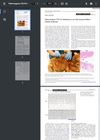
 A cat's poor wound healing was linked to a genetic deletion in the COL5A1 gene.
 20 citations
,
July 2013 in “European Journal of Oral Sciences”
20 citations
,
July 2013 in “European Journal of Oral Sciences” A new PAX9 gene mutation causes missing teeth and hair problems, but not skin or nail issues.
64 citations
,
February 2008 in “Cancer Research” Inactivating both p53 and Rb genes in mice speeds up aggressive skin cancer development.
January 2023 in “Faculty of 1000 Research Ltd” Androgen loss may speed up hair greying.
 8 citations
,
March 2014 in “American Journal of Pathology”
8 citations
,
March 2014 in “American Journal of Pathology” Damaged hair follicles make mice more prone to skin inflammation and skin cancer after UV exposure.
1 citations
,
November 2025 in “Science Advances” Two gene variants cause white spots in cattle.
11 citations
,
January 2015 in “Journal of cellular physiology” HR protein causes abnormal hair cycles by increasing Tgf-β2 and reducing miR-31.
 May 2026 in “Nature Communications”
 H3K9me3 is crucial for proper skin development and structure.
 4 citations
,
September 2020 in “Cell division”
4 citations
,
September 2020 in “Cell division” XMU-MP-1 stops cell growth in a human mini-organ and reduces the effectiveness of the chemotherapy drug paclitaxel.
13 citations
,
April 2016 in “Journal of Visualized Experiments” The method successfully isolates hair follicle stem cells and skin cells from mice for research.
81 citations
,
February 2016 in “Veterinary pathology” Progeroid mouse models show signs of early aging similar to humans, helping us understand aging better.
7 citations
,
January 2021 in “Frontiers in genetics” Inherited color dilution in rabbits is linked to DNA methylation changes.
 57 citations
,
February 1994 in “Experimental dermatology”
57 citations
,
February 1994 in “Experimental dermatology” Melatonin affects mouse skin and may regulate skin functions.