 January 2026 in “Frontiers in Pharmacology”
 Cedrol may help treat inflammatory bowel disease by improving gut health and function.
 January 2026 in “Acta Dermatovenerologica Alpina Pannonica et Adriatica”
 Accurate diagnosis is crucial for effectively treating severe alopecia and related symptoms.
 January 2026 in “International Journal of Current Research and Review”
 Maidenhair fern may help with health issues but should not be used during pregnancy.
 August 2025 in “Archiv Euromedica”
 Gut microbiota changes might play a role in alopecia areata, and microbiome-targeted treatments show promise.
 December 2024 in “Texila international journal of public health”
 Trichoscopy effectively diagnoses and monitors cicatricial alopecias, reducing the need for biopsies.

Four genes are linked to alopecia areata, with two increasing risk and two offering protection.
 March 2024 in “Deleted Journal”
 Bariatric surgery improves health but often causes hair loss and vitamin deficiency.
 February 2024 in “Research Square (Research Square)”
 Proteins from Tianshan red deer abomasum have strong anti-inflammatory, anti-tumor, and antioxidant effects.
Recognizing unusual brain and skin symptoms is crucial for diagnosing lupus early.
 September 2023 in “Clinical, cosmetic and investigational dermatology”
 A patient with a rare form of lupus improved after treatment for skin ulcers and hair loss on the face and scalp.
 July 2023 in “Endocrinology, diabetes & metabolism case reports”
 Sertoliform endometrioid carcinoma of the ovary, though rare, has a good prognosis when treated early.
 June 2023 in “Romanian Medical Journal”
 The case shows how hard it is to tell apart Multiple Autoimmune Syndrome from other similar autoimmune conditions, but correct diagnosis is key for treatment to work.
 February 2023 in “Military Medical Science Letters”
 Platelet-rich plasma treatments reduce knee osteoarthritis inflammation, with pure PRP being more effective.
 January 2023 in “European endocrinology”
 People with alopecia have a higher risk of thyroid cancer.
 September 2022 in “Research Square (Research Square)”
 Probiotics and synbiotics may help with PCOS symptoms, but more research is needed.
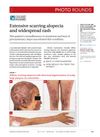 March 2022 in “The Journal of Family Practice”
 Following treatment plans is crucial to prevent worsening skin and hair conditions.
 November 2021 in “Journal of pharmaceutical research international”
 Herbal depilatories are safer and cause fewer side effects than chemical ones for hair removal.

The workshop promoted better medicine use and health practices through global collaboration.

The workshop successfully promoted better medicine use and international collaboration.
Live imaging helps us understand skin immune responses and develop treatments.

Delonix polymeric nanoparticles with isotretinoin effectively treat acne by targeting hair follicles and reducing skin irritation.
 August 2016 in “The journal of investigative dermatology/Journal of investigative dermatology”
 The hexosamine pathway helps protect skin cells from stress and may improve skin and hair health.
 August 2014 in “Warwick Research Archive Portal (University of Warwick)”
 Obesity negatively affects the endometrium, leading to higher miscarriage risk and impaired cell function.
Higher cholesterol levels increase aggressive prostate cancer risk.
Obesity is linked to many gastrointestinal diseases and needs more research for treatment development.
 April 2012 in “Informa Healthcare eBooks”
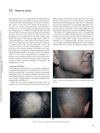
 Alopecia areata is a common autoimmune condition causing varying hair loss, diagnosed by specific patterns of inflammation around hair follicles, with several treatment options available.
 April 2012 in “Informa Healthcare eBooks”
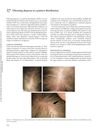
 Fibrosing alopecia in a pattern distribution is a unique hair loss condition with inflammation and scarring, resembling but distinct from common balding.
 February 2010 in “ePrints Soton (University of Southampton)”
 Male sexual differentiation is regulated independently, while female differentiation occurs in an androgenic environment, affecting conditions like congenital adrenal hyperplasia.
 February 2008 in “Medical & surgical dermatology”
 Some treatments like topical oxygen and stem cells show promise for wound healing and hair growth, but evidence for modern dressings over traditional ones is limited.
 May 2003 in “Facial Plastic Surgery Clinics of North America”
 Hair loss can be treated with medications like minoxidil and finasteride or surgery, but treatment effectiveness varies by alopecia type and accurate diagnosis is important.