 January 2026 in “Nanoscale Advances”
 The nanocomposite effectively targets lung cancer cells without harming normal cells.
 August 1978 in “Dicp-The annals of pharmacotherapy”
 Mannitol diuresis allows higher doses of cis-platinum for testicular cancer treatment without increasing kidney damage.
 1 citations
,
September 2025 in “Scientific Reports”
1 citations
,
September 2025 in “Scientific Reports” The new gel improves treatment of tough skin infections.
 2 citations
,
January 2019 in “Indian Dermatology Online Journal”
2 citations
,
January 2019 in “Indian Dermatology Online Journal” The congress concluded that misuse of antifungal drugs in South Asia has led to widespread treatment failure, and new approaches and regional cooperation are needed.
 165 citations
,
June 2007 in “European Journal of Cell Biology”
165 citations
,
June 2007 in “European Journal of Cell Biology” Hair follicle stem cells are key for hair and skin regeneration, can be reprogrammed, and have potential therapeutic uses, but also carry a risk of cancer.
 60 citations
,
January 2014 in “Anais Brasileiros De Dermatologia”
60 citations
,
January 2014 in “Anais Brasileiros De Dermatologia” Nanotechnology in dermatology shows promise for better drug delivery and treatment effectiveness but requires more safety research.
 47 citations
,
February 2019 in “Journal of The American Academy of Dermatology”
47 citations
,
February 2019 in “Journal of The American Academy of Dermatology” LGBT individuals have unique skin health needs, including higher STD risks and side effects from gender-affirming treatments, requiring dermatologists to offer knowledgeable and culturally competent care.
 41 citations
,
October 2024 in “Nature Communications”
41 citations
,
October 2024 in “Nature Communications” A new wearable LED device helps heal chronic infected wounds at home.
 36 citations
,
September 2009 in “Journal of Cellular and Molecular Medicine”
36 citations
,
September 2009 in “Journal of Cellular and Molecular Medicine” New treatments targeting skin stem cells show promise for skin repair, anti-aging, and cancer therapy.
 19 citations
,
October 1994 in “Tumori Journal”
19 citations
,
October 1994 in “Tumori Journal” As of 1994, treatments for liver cancer had not significantly improved patient survival.
 18 citations
,
February 2016 in “The Journal of Clinical Endocrinology and Metabolism”
18 citations
,
February 2016 in “The Journal of Clinical Endocrinology and Metabolism” Advancements in male reproductive medicine are ongoing, but more research and improved treatments are needed in several areas.
15 citations
,
June 2024 in “Frontiers in Pharmacology” Using existing drugs for new purposes can effectively treat infections resistant to multiple antibiotics.
 April 2024 in “Military Medical Research/Military medical research”
 Cellular and immunotherapies show promise for healing chronic wounds but need more research.
 October 2020 in “Veterinary Dermatology”
 New treatments and diagnostic methods for various animal skin conditions showed promising results.
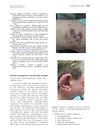
A 72-year-old man was diagnosed with a rare skin form of Rosai-Dorfman disease after years of misdiagnosis.
 40 citations
,
August 2010 in “Archives of dermatology”
40 citations
,
August 2010 in “Archives of dermatology” A 5-year-old boy's skin condition improved with systemic valganciclovir after a cardiac transplant and immunosuppressive therapy.
26 citations
,
January 2024 in “Gels” Nanoemulgels could effectively treat skin diseases and may replace or complement current therapies.
 1 citations
,
December 2018 in “IntechOpen eBooks”
1 citations
,
December 2018 in “IntechOpen eBooks” Human hair shows promise for non-invasive medical testing, but more research is needed to standardize its use.
 50 citations
,
February 2022 in “Nanomaterials”
50 citations
,
February 2022 in “Nanomaterials” Nanomaterials show promise in improving wound healing but require more research on their potential toxicity.
47 citations
,
October 2021 in “Journal of Nanobiotechnology” HPDAlR nanoparticles greatly improve skin wound healing without toxicity.
 20 citations
,
October 2018 in “American Journal of Clinical Dermatology”
20 citations
,
October 2018 in “American Journal of Clinical Dermatology” Some drugs can cause skin and hair color changes, often reversible when the drug is stopped.
10 citations
,
March 2022 in “Frontiers in Oncology” HOTTIP and miR-10b contribute to glioma therapy resistance by affecting cell behavior, suggesting they could be targets for treatment.
1 citations
,
December 2025 in “International Journal of Molecular Sciences” Chitosan-based nanocomposites, especially with polyphenols, show promise for treating chronic wounds.
 February 2026 in “International Journal of Molecular Sciences”
 Combining hyperthermia with natural compounds and conventional treatments improves cancer therapy effectiveness and reduces side effects.
January 2026 in “Therapeutics” SCUBE3 is a potential target for cancer and alopecia treatment but is challenging to target due to its varied roles.
 August 2012 in “Pharmaceutical Medicine”
 The document concludes that various medications and treatments can have significant, sometimes adverse, effects on health outcomes.

research TOC
April 2007 in “Dermatologic Clinics” Understanding drug effects and careful monitoring are crucial for safe and effective dermatology treatments.
 February 1999 in “Drugs in R & D”
 The document concludes that various drugs for men's health issues are in development, with treatments for sexual dysfunction and prostate conditions being the most advanced.
 January 2020 in “International Journal of PharmTech Research”
 A man with severe leprosy developed painless ulcers and numbness, treated successfully with multiple drugs and vitamins.
116 citations
,
August 2021 in “Stem Cell Research & Therapy” Menstrual blood stem cell vesicles show promise for treating various medical conditions.