 November 2025 in “Mendeley Data”
 Unorthodox dosing of tofacitinib and baricitinib is safe but less effective than standard dosing for treating alopecia areata in kids.
 May 2012 in “Journal of Clinical Oncology”
 Taking 5-alpha reductase inhibitors might be linked to breast cancer in men.
5 citations
,
April 2016 in “PubMed” Cetuximab often causes skin problems, but they can be managed without stopping treatment.
 November 2025 in “Mendeley Data”
 Standard dosing is more effective for severe alopecia areata in children, but unorthodox dosing can be safe and considered if needed.
 44 citations
,
October 2017 in “Journal of the American Academy of Dermatology”
44 citations
,
October 2017 in “Journal of the American Academy of Dermatology” Tofacitinib is effective and safe for treating severe hair loss in Korean patients.
The treatment was ineffective in humans.
 2 citations
,
September 2021 in “Curēus”
2 citations
,
September 2021 in “Curēus” Tofacitinib may be safe for COVID-19 patients with alopecia without worsening symptoms, based on two cases.
19 citations
,
September 2008 in “Journal of Cellular Physiology” Blocking EGFR can cause skin inflammation by disrupting IL-1 signaling.
 2 citations
,
April 2022 in “Cutaneous and Ocular Toxicology”
2 citations
,
April 2022 in “Cutaneous and Ocular Toxicology” Tofacitinib may help treat hair loss in children with alopecia areata.
 2 citations
,
January 2020 in “Einstein (São Paulo)”
2 citations
,
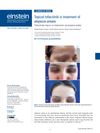
January 2020 in “Einstein (São Paulo)” Topical tofacitinib shows promise as a future treatment for alopecia areata.
 7 citations
,
March 2021 in “Journal of the American Academy of Dermatology”
7 citations
,
March 2021 in “Journal of the American Academy of Dermatology” Tofacitinib can regrow hair in alopecia areata patients, but some may experience flares during treatment.
 January 2016 in “The Australian Pharmacist”
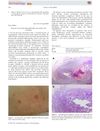
 Tofacitinib might be used to treat hair loss.
 5 citations
,
August 2014 in “Australasian journal of dermatology”
5 citations
,
August 2014 in “Australasian journal of dermatology” Sorafenib can cause delayed skin problems, so patients need careful monitoring.
227 citations
,
April 2023 in “The Lancet” Ritlecitinib effectively treats alopecia areata and is well-tolerated.
 32 citations
,
June 2012 in “PLoS ONE”
32 citations
,
June 2012 in “PLoS ONE” Blocking IL-8 can reduce skin rashes from cancer treatment.
 September 2023 in “International Journal of Trichology”
 Tofacitinib helped a woman regrow hair with no major side effects.
 January 2025 in “Acta Dermatovenerologica Alpina Pannonica et Adriatica”
 JAK inhibitors can help regrow hair in alopecia areata but have potential long-term risks and require careful monitoring.
January 2007 in “Frontiers in Medicine” Tofacitinib works well for treating alopecia areata, especially when combined with corticosteroids, but is less effective if the disease has lasted over 2 years.
 1 citations
,
July 2022 in “British Journal of Dermatology”
1 citations
,
July 2022 in “British Journal of Dermatology” Baricitinib was effective in treating hair loss in adults with alopecia areata according to patient feedback.
 May 2025 in “JEADV Clinical Practice”
 Tofacitinib and methotrexate successfully treated a woman's severe skin, joint, and hair loss issues.
21 citations
,
February 2006 in “Clinical Cancer Research” Mitf plays a key role in melanoma progression and is linked to disease stage.
December 2024 in “International Journal of Molecular Sciences” Platelet-rich fibrin may help reduce nonmelanoma skin cancer cell growth.
 April 2024 in “Clinical and experimental dermatology”
 Tofacitinib is effective for severe alopecia areata, similar to oral betamethasone.
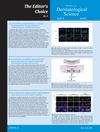 June 2018 in “Journal of Dermatological Science”
 UV radiation may cause DNA changes in skin, certain UVB therapy helps psoriasis, a new gene mutation is linked to mild piebaldism, different immune cells affect psoriasis, a drug promotes hair growth, and some cancer drugs could treat skin barrier issues.
 March 2021 in “Research Square (Research Square)”
 Patients with RASopathies have a higher risk of autoimmune disorders and should be routinely screened.
 July 2024 in “Medical alphabet”
 JAK inhibitors like tofacitinib may effectively treat alopecia in children without major side effects.
1 citations
,
April 2024 in “Journal of Dermatological Science”  April 2016 in “The journal of investigative dermatology/Journal of investigative dermatology”
 Applying the anti-cancer drug Bortezomib to skin can promote hair growth and increase hair proteins through the GATA-3 factor.
9 citations
,
September 2017 in “PubMed” EGFR inhibitors can cause skin issues, but managing them is important for treatment success.
1 citations
,
April 2023 in “Portuguese Journal of Dermatology and Venereology” JAK inhibitors are effective treatments for alopecia areata.