3 citations
,
September 2014 in “SpringerPlus” Human hair loss may have evolved to help increase brain size.
15 citations
,
September 2018 in “Applied Biological Chemistry” Matrigel supports cell growth and repair, and thymosin beta 4 aids tissue regeneration and healing.
2 citations
,
December 2024 in “Neural Regeneration Research” Exosome therapy could revolutionize stroke treatment, but more research is needed for human use.
 1 citations
,
August 2022 in “Biomedicines”
1 citations
,
August 2022 in “Biomedicines” Dutasteride, usually used for prostate issues and hair loss, could potentially treat Amyotrophic Lateral Sclerosis (ALS) due to its neuroprotective, antioxidant, and anti-inflammatory properties, but more testing is needed.
 March 2025 in “Authorea (Authorea)”
 PRP injections for hair growth can cause temporary vision loss, which may be resolved with treatment.
 September 2025 in “International Journal of Molecular Sciences”
 Hair analysis could help diagnose and treat schizophrenia more effectively.
25 citations
,
January 2015 in “World journal of stem cells” Hair follicle stem cells can become different cell types and may help treat neurodegenerative disorders.

Peptide hydrogels show promise for healing skin, bone, and nerves but need improvement in stability and compatibility.
 November 2012 in “Endocrine Practice”
 Enzymes called 5α-reductases have many body functions and need more research to safely use inhibitors.
7 citations
,
July 2024 in “Current Issues in Molecular Biology” Understanding skin stem cells and their regulation is key to improving skin healing and treating disorders.
17 citations
,
May 2022 in “Frontiers in Immunology” Reprogramming macrophages to resolve inflammation can help reduce severe COVID-19 complications.
 5 citations
,
December 1942 in “Journal of the American Medical Association”
5 citations
,
December 1942 in “Journal of the American Medical Association” Choline and biotin are important for liver health and preventing certain deficiencies in animals, and more research is needed to understand their benefits in humans.
4 citations
,
January 2026 in “Micro” Bioinspired conductive materials and advanced bioprinting can improve tissue regeneration by creating smart, adaptable scaffolds.
3 citations
,
August 2025 in “International Journal of Molecular Sciences” Induced pluripotent stem cells are a major breakthrough in regenerative medicine.
 2 citations
,
January 2023 in “BioMed Research International”
2 citations
,
January 2023 in “BioMed Research International” The secretome from mesenchymal stromal cells shows promise for improving facial nerve injury treatment.

Iron deficiency anemia can cause itching, which often improves with iron supplements.
7 citations
,
October 2023 in “European Journal of Pharmacology” Cannabidivarin (CBDV) may help brain cell growth and survival through the TRPV1 receptor.
 40 citations
,
January 2016 in “Elsevier eBooks”
40 citations
,
January 2016 in “Elsevier eBooks” The skin is the largest organ, protecting the body, regulating temperature, and producing hormones.
1 citations
,
August 2005 in “Springer eBooks” Alopecia areata is an autoimmune disease with genetic links, treatable with certain medications, and can affect mental health.
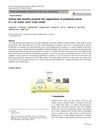 36 citations
,
July 2019 in “Journal of Materials Science Materials in Medicine”
36 citations
,
July 2019 in “Journal of Materials Science Materials in Medicine” Human hair keratin helps repair nerve damage in rats.
 61 citations
,
April 2014 in “The Journal of Steroid Biochemistry and Molecular Biology”
61 citations
,
April 2014 in “The Journal of Steroid Biochemistry and Molecular Biology” Finasteride affects brain and blood steroids, causing lasting sexual and emotional side effects.
 15 citations
,
March 2020 in “Anais Brasileiros De Dermatologia”
15 citations
,
March 2020 in “Anais Brasileiros De Dermatologia” Finasteride may cause lasting sexual, mental, and physical symptoms; use with caution.
 165 citations
,
June 2007 in “European Journal of Cell Biology”
165 citations
,
June 2007 in “European Journal of Cell Biology” Hair follicle stem cells are key for hair and skin regeneration, can be reprogrammed, and have potential therapeutic uses, but also carry a risk of cancer.
 30 citations
,
May 2019 in “Scientific Reports”
30 citations
,
May 2019 in “Scientific Reports” Late pregnancy helps repair brain damage in rats due to the GABAergic system.
 2 citations
,
January 2019 in “Medizinische Genetik”
2 citations
,
January 2019 in “Medizinische Genetik” The document reports findings on genetic research, including ethical concerns about genome editing, improved diagnosis of mitochondrial mutations, solving inherited eye diseases, confirming gene roles in epilepsy, linking a gene to aneurysms, and identifying genes associated with age-related macular degeneration.
 60 citations
,
September 2015 in “Expert Review of Clinical Immunology”
60 citations
,
September 2015 in “Expert Review of Clinical Immunology” Lymphocytes, especially CD8+ T cells, play a key role in causing alopecia areata, and targeting them may lead to new treatments.
 18 citations
,
March 2020 in “Frontiers in Neuroendocrinology”
18 citations
,
March 2020 in “Frontiers in Neuroendocrinology” The enzymes 5α-reductase and 3α/β-hydroxysteroid oxidoreductase help create brain-active substances from progesterone and testosterone, which could be used for treatment, but more research is needed to ensure their safety and effectiveness.
 2 citations
,
January 2001 in “Biomedical Research”
2 citations
,
January 2001 in “Biomedical Research” Trichohyalin and peptidylarginine deiminase type III are found together in rat hair follicles, with trichohyalin being modified after expression.
 82 citations
,
August 2006 in “Pharmacology, Biochemistry and Behavior”
82 citations
,
August 2006 in “Pharmacology, Biochemistry and Behavior” Certain steroids in the brain affect mood and symptoms of depression, and treatments targeting these steroids show promise for improving these symptoms.
 8 citations
,
December 2020 in “The FASEB Journal”
8 citations
,
December 2020 in “The FASEB Journal” Blocking adenosine A2B receptor may prevent or treat hearing loss.