 April 2019 in “Journal of Investigative Dermatology”
 The PROCLIPI study found markers that help predict outcomes in skin lymphoma patients.
10 citations
,
January 2003 in “Dermatology” The E413K mutation in the hHb6 gene causes monilethrix, a hair disorder, but doesn't show consistent symptoms.
September 2011 in “Archives of dermatology” The child was diagnosed with cutaneous leishmaniasis.
 1 citations
,
January 2013 in “The Journal of Dermatology”
1 citations
,
January 2013 in “The Journal of Dermatology” A skin condition called pyodermatitis vegetans was found in a patient with multiple myeloma for the first time.
 1 citations
,
October 2022 in “Molecular therapy”
1 citations
,
October 2022 in “Molecular therapy” The FDA approved the first gene therapy for a blood disorder after overcoming early challenges and demonstrating patient benefits.
7 citations
,
October 2008 in “Arthritis Care & Research” Aggressive immunosuppressive treatment improved a woman's severe heart condition linked to autoimmune disease.
January 2025 in “Repository of Digital Objects for Teaching Research and Culture (University of Valencia)” Non-coding RNAs may be key in diagnosing and treating rare skin disorders.
14 citations
,
February 2022 in “The Journal of clinical investigation/The journal of clinical investigation” Scientists made a mouse model of a serious skin cancer by changing skin cells with a virus and a specific gene, which is similar to the disease in humans.
 April 2023 in “Dermatology practical & conceptual”
 Lenalidomide helps hair follicle stem cells turn into melanocytes, which may improve repigmentation in vitiligo.
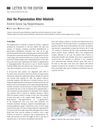 April 2025 in “Turkish Journal of Hematology”
 Nilotinib may cause gray hair to return to its original color.
July 2019 in “Tumor Biology” Bone marrow-derived cells contribute to skin tumors, suggesting new treatment targets for non-melanoma skin cancers.
April 2012 in “Cancer Research” Bone marrow-derived cells can lead to skin inflammation and tumors in mice.
4 citations
,
December 2023 in “Medicine” Lower levels of MYLK and CALD1 in bladder cancer and osteosarcoma are linked to worse survival rates.
20 citations
,
December 1999 in “Journal of Investigative Dermatology” Mutations in the hHb6 gene cause the hair disorder monilethrix.
Amotosalen-treated donor T-cells can prevent late CMV infection after bone marrow transplants.
June 2010 in “Chinese Journal of Dermatology” A new gene mutation is linked to monilethrix in the studied family.
16 citations
,
April 2006 in “Pediatrics International” High-dose mizoribine effectively controls symptoms in adolescents with lupus while reducing steroid use, with manageable side effects.
 3 citations
,
February 2011 in “Journal of Biomedical Research/Journal of biomedical research”
3 citations
,
February 2011 in “Journal of Biomedical Research/Journal of biomedical research” A new mutation in the KRT86 gene was found to cause the hair disorder monilethrix in a Han family.
 11 citations
,
May 1998 in “Child's nervous system”
11 citations
,
May 1998 in “Child's nervous system” A baby had a rare condition with abnormal blood vessels in the brain and unusual skin and hair growth, possibly a new syndrome.
47 citations
,
June 2013 in “Biology of blood and marrow transplantation” Mice with human fetal thymic tissue and stem cells developed symptoms similar to chronic graft-versus-host disease.
 3 citations
,
May 2019 in “BMJ case reports”
3 citations
,
May 2019 in “BMJ case reports” A boy with severe immune deficiency and Epstein-Barr virus died from high-grade B-cell lymphoma.
 May 2025 in “The Journal of Rheumatology”
 Atypical symptoms in lupus can indicate different kidney issues.
3 citations
,
March 1998 in “PubMed” A woman's skin and hair conditions improved after her cancerous tumor was removed.
February 2019 in “International Journal of Dermatology and Clinical Research” Nε-(carboxymethyl) lysine delays hair growth by blocking a key protein.
 February 2024 in “Future science OA”
 Loss of the Y chromosome and UTY gene activity increases cancer risk in men.
 May 2024 in “Australasian journal of dermatology”
 A man with a type of skin lymphoma had unusual yellowish skin growths despite normal blood lipid levels, and treatment reduced some symptoms but not the growths.
1 citations
,
January 2023 in “Indian Dermatology Online Journal” Skin and nail changes are common in patients with blood cancers undergoing chemotherapy, affecting their quality of life.
2 citations
,
April 2008 in “PubMed” A gene mutation causes monilethrix in a Chinese family.
November 2016 in “The Molecular Biology Society of Japan”  November 2022 in “The journal of investigative dermatology/Journal of investigative dermatology”
 A patient with a new PLEC gene mutation showed symptoms of both muscular dystrophy and myasthenia gravis, which improved with steroid treatment.