February 2014 in “Cancer Research” Recent findings advanced understanding of cancer mechanisms and potential treatments.
 October 2023 in “Oncotarget”
 Apoptotic cells help cause hair follicle cell death during regression.
6 citations
,
March 2021 in “Frontiers in surgery” A woman's symptoms of increased body hair and testosterone were caused by a rare adrenal tumor, which was removed successfully.
 34 citations
,
November 2017 in “Gynecological Endocrinology”
34 citations
,
November 2017 in “Gynecological Endocrinology” A transwoman developed a brain tumor after nine years of hormone therapy, suggesting a possible link between the treatment and tumor development.
4 citations
,
June 1989 in “Archives of Dermatology” A man had a black pore on his cheek, which was removed and found to be a hair follicle tumor.
76 citations
,
March 2005 in “Cancer Research” Doxorubicin can block blood vessels from hair follicles, reducing skin tumor growth.
 December 2021 in “Research Square (Research Square)”
 M-CSF-stimulated myeloid cells can cause alopecia areata in mice.
6 citations
,
December 2024 in “F1000Research” Fibroblast and immune cell interactions affect tissue repair and fibrosis.
 5 citations
,
January 2017 in “Molecular Medicine Reports”
5 citations
,
January 2017 in “Molecular Medicine Reports” Human hair follicle cells can be turned into neural stem cell-like cells, which might help treat brain diseases.
 1 citations
,
March 2019 in “Chinese Medical Journal”
1 citations
,
March 2019 in “Chinese Medical Journal” Researchers identified potential markers for human hair color stem cells.
 12 citations
,
February 2014 in “PLoS ONE”
12 citations
,
February 2014 in “PLoS ONE” Topical rapamycin may effectively treat fibrous papules on the face.
5 citations
,
March 2015 in “Indian Journal of Dermatology” Multiple trichofolliculomas can look like multiple trichoepitheliomas on the face.

Deleting Smad4 and PTEN genes in mice causes rapid, invasive stomach cancer.
17 citations
,
January 2014 in “Journal of Oral and Maxillofacial Pathology” Seborrheic keratosis is a common, harmless skin growth that can look like cancer, so it may need a biopsy.
October 2025 in “Journal of the Endocrine Society” Leydig cell tumors in the ovary can cause high testosterone and male traits in postmenopausal women but are treatable with surgery.
31 citations
,
February 2007 in “Molecular Carcinogenesis” Overexpressing ATF3 in mice's epithelial cells may lead to oral cancer.
 7 citations
,
March 2017 in “Journal of dermatology”
7 citations
,
March 2017 in “Journal of dermatology” The conclusion is that accurately identifying folliculosebaceous tumors requires understanding their clinical signs and microscopic features.
 March 2024 in “BMC cancer”
 High levels of ST14 and TMEFF1 proteins in ovarian cancer are linked to worse patient outcomes and may be a new treatment target.
2 citations
,
June 2019 in “The Journal of Dermatology” Two cases showed skin abnormalities without bone or neural defects.
87 citations
,
August 1974 in “Journal of Investigative Dermatology” 34 citations
,
February 2012 in “American Journal of Dermatopathology” Calretinin can help identify certain skin structures and tumors.
 1 citations
,
March 2024 in “Ophthalmic Plastic and Reconstructive Surgery”
1 citations
,
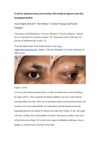
March 2024 in “Ophthalmic Plastic and Reconstructive Surgery” A pilomatrixoma in the eyebrow can cause hair loss and skin lightening.
1 citations
,
October 2023 in “European Journal of Dermatology” Combining hair transplantation with PRP is more effective for treating hair loss than hair transplantation alone.
 April 2018 in “Journal of Investigative Dermatology”
 The conclusion introduces a new way to classify skin cysts using their shape and genetic markers.
 June 2026 in “Scientific Reports”
 Nestin-expressing hair follicle cells may be useful for nerve repair and regeneration.
 October 2022 in “Miscellaneous”
 A rare, non-cancerous ovarian tumor was successfully treated with surgery, improving the patient's symptoms.
11 citations
,
June 2001 in “British Journal of Dermatology” c-Myc, Max, and Bin1 help hair follicle cells mature and die.
 3 citations
,
June 2023 in “Cureus”
3 citations
,
June 2023 in “Cureus” Pilomatricomas should be considered to avoid misdiagnosis in children with unusual skin tumors.
15 citations
,
September 2018 in “Applied Biological Chemistry” Matrigel supports cell growth and repair, and thymosin beta 4 aids tissue regeneration and healing.
 May 2025 in “International Journal of Reproduction Contraception Obstetrics and Gynecology”
 Ovarian tumors should be considered when postmenopausal women show signs of virilization.