 2 citations
,
January 2023 in “Journal of Education, Health and Sport”
2 citations
,
January 2023 in “Journal of Education, Health and Sport” Cognitive-behavioral therapy with habit reversal training is the most effective treatment for trichotillomania.
2 citations
,
July 2021 in “UNC Libraries” Mutations at Val-889 and Arg-752 disrupt key interactions in androgen receptor dimerization.
2 citations
,
February 2021 in “IOP Conference Series Earth and Environmental Science” Mangkokan leaf contains various beneficial compounds like alkaloids, flavonoids, and steroids.
 2 citations
,
December 2017 in “Bangladesh Journal of Pharmacology”
2 citations
,
December 2017 in “Bangladesh Journal of Pharmacology” Black seed oil significantly protects against hair loss from chemotherapy.
 2 citations
,
November 2015 in “Actas Dermo-Sifiliográficas”
2 citations
,
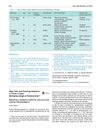
November 2015 in “Actas Dermo-Sifiliográficas” The document suggests a possible link between mast cells and scarring alopecia, recommending more research for potential treatments.
 2 citations
,
January 2012 in “Journal of metabolic syndrome”
2 citations
,
January 2012 in “Journal of metabolic syndrome” The document concludes that hirsutism can be managed with various treatments tailored to the individual, potentially improving quality of life.
1 citations
,
September 2025 in “Pediatric Dermatology” Behavioral interventions, especially habit reversal training, are most effective for treating trichotillomania in children.
 1 citations
,
October 2018 in “International research journal of pharmacy”
1 citations
,
October 2018 in “International research journal of pharmacy” Rampai leaves extract can significantly stimulate hair growth.
1 citations
,
September 2008 in “International Journal of Cosmetic Science” Using chelants in hair dye reduces fiber damage by preventing harmful radicals.
1 citations
,
May 2003 in “The journal of investigative dermatology/Journal of investigative dermatology” A hormone affects hair growth, certain molecules may prevent skin damage, a skin disease is linked to immune cells, glycerol helps skin hydration, and psoriasis treatment trials need improvement.
May 2026 in “Scientific Reports” Delphinium brunonianum shows promise for medical use due to its bioactive compounds and effective nanoparticle synthesis.
 February 2026 in “Zenodo (CERN European Organization for Nuclear Research)”
 N-K Geometric Medicine heals wounds, pain, and burns better and faster than current treatments, without side effects.
 February 2026 in “Zenodo (CERN European Organization for Nuclear Research)”
 N-K Geometric Medicine heals wounds, pain, and burns better and faster than current treatments, without side effects.
January 2026 in “Molecules” A new perming method is less damaging to hair and works as well as traditional methods.
 January 2026 in “International Journal of Women s Health”
 A new model helps predict treatment success in girls with early puberty.
January 2026 in “Chemistry & Biodiversity” Platycladus orientalis fruit extracts have antioxidant and enzyme-inhibiting properties, useful for health and food applications.
 November 2025 in “Eurasian journal of applied biotechnology”
 Combining L-cysteine, NAC, and a MET inhibitor significantly kills cervical cancer cells.
 October 2025 in “INSOLOGI Jurnal Sains dan Teknologi”
 Pacing leaf extracts can promote hair growth in rabbits, but minoxidil works better.
 October 2025 in “Interdiciplinary Journal and Hummanity (INJURITY)”
 Kalimantan herbal plants have beneficial compounds supporting traditional medicine and potential therapeutic uses.
 September 2025 in “Polymer Korea”
 Parsley-coconut oil nanoemulsion effectively promotes hair growth.
 September 2025 in “Crystal Growth & Design”
 Different solvents change minoxidil crystal shapes and improve flowability.
September 2025 in “OPAL (Open@LaTrobe) (La Trobe University)” Different solvents affect minoxidil crystal shapes, improving flowability and revealing a unique butterfly-shaped crystal.
 July 2025 in “Pharmaceuticals”
 Phenobarbital-loaded chitosan nanoparticles are promising for preventing hair loss from chemotherapy.
 June 2025 in “Cell Regeneration”
 Lack of a certain enzyme causes hair to grey early by damaging stem cells, but an antioxidant can help prevent this.
 May 2025 in “Antioxidants”
 Natural products show promise for treating diseases but need more research to understand and use them effectively.
 February 2025 in “Journal of Investigative Dermatology”
 DMG-Na may help reduce hair loss and improve hair growth, but more research is needed.
 December 2024 in “Plant Science Today”
 Phyla nodiflora contains compounds that may help treat diabetes, alopecia, cancer, and anti-diuresis.
November 2024 in “Actas Dermo-Sifiliográficas” N-acetylcysteine and memantine are recommended as safe and effective treatments for trichotillomania.
The hydrogel significantly improves healing in diabetic wounds.
Phyla nodiflora contains compounds that may help treat diabetes, hair loss, cancer, and fluid retention.