Search
for
Sort by
Research
570-600 / 1000+ resultsresearch The cell biology of human hair follicle pigmentation
We need more research on human hair follicle pigmentation, not just mouse models.
research Silk Fibroin-Based Hydrogel Microneedles Deliver α-MSH to Promote Melanosome Delivery for Vitiligo Treatment
Silk fibroin microneedles can effectively treat vitiligo by promoting skin pigmentation.
research Identical p53 gene mutation in malignant proliferating trichilemmal tumour of the scalp and small cell carcinoma of the common bile duct: the necessity for therapeutic caution?
Identical p53 gene mutations in different cancers suggest the need for careful treatment.
research A case of trichogerminoma: a rare cutaneous follicular neoplasm
Trichogerminoma is a rare, benign skin tumor from hair cells, with a small risk of becoming cancerous.
research Stimulation of melanogenesis by Carthamus tinctorius floret extract in B16F10 murine melanoma cells
Safflower extract increases melanin production in certain skin cells without harming them.

research Regenerative Hair Pigmentation via Skin Organoids: Adaptive Patterning Mediated by Collagen VI and Semaphorin 3C
Collagen VI and Semaphorin 3C are important for hair pigmentation and could help treat pigmentation disorders.
research Eccrine angiomatous hamartoma
The girl's skin condition is benign but challenging to treat due to its size and location.
research Abstract LB-039: Chronic inflammation-mediated contribution of bone marrow-derived epithelial cells and hair follicle stem cells to development of cutaneous neoplasms
Bone marrow-derived cells contribute to skin tumors, suggesting new treatment targets for non-melanoma skin cancers.
research 307 Computer-assisted epitope prediction revealed potential autoantigens associated with human alopecia areata
Melanogenesis-related proteins may trigger immune responses in alopecia areata patients.

research Skin cancer: understanding the journey of transformation from conventional to advanced treatment approaches
New treatments like nanotechnology show promise in improving skin cancer therapy.
research Melatonin: A Cutaneous Perspective on its Production, Metabolism, and Functions
Melatonin may benefit skin health and could be a promising treatment in dermatology.
research Diffuse neurofibroma of the scalp with alopecia areata as the initial presentation: a case report
A man with hair loss and a scalp lump was diagnosed with a diffuse neurofibroma but chose not to have surgery.

research ISID1403 - Melatonin protects K15+ human hair follicle stem cells against paclitaxel-induced damage ex vivo
Melatonin may protect hair follicle stem cells from damage caused by chemotherapy.

research Adverse Hair Reactions to New Targeted Therapies for Cancer
New cancer treatments are less harmful to hair but can still cause hair loss, color, shape, and growth changes.
research Effets secondaires cutanéo-muqueux des nouvelles molécules anticancéreuses: Inhibiteurs de l'EGF-R, inhibiteurs de tyrosine kinase et stabilisateurs du fuseau mitotique
New cancer drugs can cause skin side effects like rashes, dry skin, hair changes, and nail problems.
research Adult-onset porokeratotic eccrine ostial and dermal duct nevus:dermatoscopic findings and treatment with tazarotene
An adult with a rare skin condition improved with tazarotene treatment.
research Role of Dermal Factors Involved in Regulating the Melanin and Melanogenesis of Mammalian Melanocytes in Normal and Abnormal Skin
Dermal factors are crucial in regulating melanin production in skin.

research Plerixafor Engages β-Arrestin-Dependent CXCR4 Signaling to Promote Melanogenesis via β-Catenin-MITF Activation
Plerixafor may help restore skin pigmentation safely.
research Ethanol extract of asiasari radix preferentially induces apoptosis in G361 human melanoma cells by differential regulation of p53
Asiasari radix extract may be a potential treatment for melanoma because it selectively triggers cell death in melanoma cells by affecting p53 regulation.

research Data from Targeting Superficial or Nodular Basal Cell Carcinoma with Topically Formulated Small Molecule Inhibitor of Smoothened
The treatment was ineffective in humans.
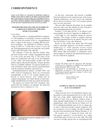
research HYPOPIGMENTED MYCOSIS FUNGOIDES IN A CHILD SUCCESSFULLY TREATED WITH UVA1-LIGHT
UVA1-light therapy successfully treated a child's skin condition, mycosis fungoides.
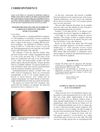
research FOCAL HYPERTRICHOSIS DURING TOPICAL TACROLIMUS THERAPY FOR CHILDHOOD VITILIGO
An 8-year-old girl with vitiligo developed extra hair growth on her knee after using tacrolimus ointment.
research Data from Ribonucleotide Excision Repair Is Essential to Prevent Squamous Cell Carcinoma of the Skin
Ribonucleotide excision repair is crucial to prevent skin cancer.
research Population-based screening cohort study reveals no association between monoclonal gammopathy of undetermined significance (MGUS), smoldering multiple myeloma (SMM), multiple myeloma (MM), and alopecia

research Diagnosis of common, benign neonatal dermatoses
The article helps identify common, non-harmful skin conditions in newborns to avoid undue concern and treatment.
research Combined supraperiosteal microfat grafting and intradermal nanofat for the treatment of periorbital melanosis (dark circles)
This treatment effectively reduces dark circles by improving volume and skin quality.
research Cellular and Immunological Aspects of Basel Cell Carcinoma
Basal cell carcinoma cases are rising globally.
research Prophylaxis and Management of Skin Toxicities
Preventive measures and effective management are crucial for reducing skin side effects in cancer treatment.
research Merkel cell carcinoma: updates in tumor biology, emerging therapies, and preclinical models
New therapies and trials are needed for Merkel cell carcinoma, a tough skin cancer.