
Combining nanotechnology with herbal medicine may improve PCOS treatment.
 15 citations
,
November 2020 in “Pharmaceutics”
15 citations
,
November 2020 in “Pharmaceutics” Tofacitinib nanoparticles can safely and effectively treat alopecia areata by targeting hair follicles.
 November 2025 in “Frontiers in Pharmacology”
 Gentamicin-loaded exosomes improve healing of infected diabetic wounds in mice.
 32 citations
,
April 2016 in “Aaps Pharmscitech”
32 citations
,
April 2016 in “Aaps Pharmscitech” Nanostructured lipid carriers improve minoxidil delivery for hair loss treatment.
 22 citations
,
March 2020 in “Cosmetics”
22 citations
,
March 2020 in “Cosmetics” Nanotechnology improves minoxidil treatment for hair loss.
 January 2024 in “Regenerative Biomaterials”
 Dissolvable microneedles with Ginsenoside Rg3 can help treat hair loss by improving drug delivery and stimulating hair growth.
 7 citations
,
May 2016 in “European Polymer Journal”
7 citations
,
May 2016 in “European Polymer Journal” The new nanocarriers improve how well water-insoluble drugs dissolve and allow for controlled drug release.
 47 citations
,
April 2017 in “European Journal of Pharmaceutics and Biopharmaceutics”
47 citations
,
April 2017 in “European Journal of Pharmaceutics and Biopharmaceutics” The new dutasteride formula can be applied to the skin, may promote hair growth, and has fewer side effects.
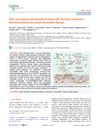 1 citations
,
October 2025 in “Nano Research”
1 citations
,
October 2025 in “Nano Research” A new microneedle patch effectively treats atopic dermatitis by reducing skin stress and restoring immune balance.
 44 citations
,
August 2017 in “Food Bioscience”
44 citations
,
August 2017 in “Food Bioscience” Researchers made a special butter with added betasitosterol that could be healthier for the heart and stayed good for three months.
 14 citations
,
September 2012 in “Journal of nanoscience and nanotechnology”
14 citations
,
September 2012 in “Journal of nanoscience and nanotechnology” Niosomes with rice bran extract could be useful for anti-hair loss products.
 4 citations
,
April 2023 in “JURNAL FARMASI DAN ILMU KEFARMASIAN INDONESIA”
4 citations
,
April 2023 in “JURNAL FARMASI DAN ILMU KEFARMASIAN INDONESIA” The spanlastic system effectively delivers green tea extract for skincare.
 May 2026 in “AAPS PharmSciTech”
 PEGylated flavonoid Aspasomes improve brain protection and memory in stress-related disorders.
 July 2024 in “ADMET & DMPK”
 Surface-modified nanostructured lipid carriers can improve hair growth treatments.
 21 citations
,
December 2016 in “European journal of pharmaceutics and biopharmaceutics”
21 citations
,
December 2016 in “European journal of pharmaceutics and biopharmaceutics” Nano-sized lipid particles increase dexamethasone's skin penetration and create a reservoir in the skin layers.
 12 citations
,
January 2018 in “Journal of Drug Delivery Science and Technology”
12 citations
,
January 2018 in “Journal of Drug Delivery Science and Technology” The new particle system could be a promising treatment for diseases related to the 5-α reductase enzyme.
 March 2026 in “DergiPark (Istanbul University)”
 Biotinoyl tripeptide-1 nanoparticles protect hair from heat damage.
 32 citations
,
June 2017 in “Journal of Pharmaceutical Sciences”
32 citations
,
June 2017 in “Journal of Pharmaceutical Sciences” Chitosan-coated nanoparticles improve skin delivery of hair loss treatments with fewer side effects.
 33 citations
,
January 2022 in “Scientific Reports”
33 citations
,
January 2022 in “Scientific Reports” The method improved CoQ10's stability and effectiveness for anti-ageing skincare.
 14 citations
,
February 2021 in “International Journal of Pharmaceutics”
14 citations
,
February 2021 in “International Journal of Pharmaceutics” Deer antler velvet serum helps hair grow and is safe for skin.
2 citations
,
March 2021 in “Journal of nanoscience and nanotechnology” Nanoliposomes loaded with saw palmetto extract could be good for treating hair loss.
18 citations
,
October 2016 in “European Journal of Pharmaceutics and Biopharmaceutics” The drug was successfully released into hair follicles using nanocarriers.
43 citations
,
March 2017 in “Drug Design Development and Therapy” The new nanoparticles could improve melanoma treatment by working better than current options.
33 citations
,
November 2020 in “AAPS PharmSciTech”  10 citations
,
May 2016 in “Polymer”
10 citations
,
May 2016 in “Polymer” New nanocarriers improve skin drug delivery with low toxicity at certain concentrations.
December 2025 in “Pharmaceutics” EV-based drug delivery shows promise but faces challenges in standardization and scalability.
 May 2025 in “International Journal of Applied Pharmaceutics”
 Nanocarriers could improve hair loss treatments by delivering drugs directly to hair follicles.
365 citations
,
March 2021 in “Frontiers in Bioengineering and Biotechnology” Nanocarriers can improve drug delivery through the skin by overcoming barriers.
 211 citations
,
June 2012
211 citations
,
June 2012 The skin is a complex barrier for drug penetration, but understanding its structure and interactions can improve drug delivery methods.
45 citations
,
January 2021 in “Drug Delivery” MM-CEP/NLCs could effectively treat lung inflammation.