 29 citations
,
April 2020 in “Biomolecules”
29 citations
,
April 2020 in “Biomolecules” The 3D scaffold helped maintain hair cell traits and could improve hair loss treatments.
14 citations
,
October 2024 in “Nano Convergence” The hydrogel with silver nanoparticles effectively heals MRSA-infected wounds.
15 citations
,
January 2024 in “Chemical Engineering Journal”  May 2024 in “bioRxiv (Cold Spring Harbor Laboratory)”
 KAP-depleted hair causes less immune response and is more biocompatible for implants.
 1 citations
,
April 2023 in “Biomaterials advances”
1 citations
,
April 2023 in “Biomaterials advances” Gellan gum hydrogels help recreate the environment needed for hair growth cell function.
8 citations
,
November 2020 in “Journal of Cosmetic Dermatology” The ingredients may help prevent hair loss and aging by boosting hair growth signals and reducing stress and hormone effects.
March 2023 in “ACS Applied Materials & Interfaces” A new microneedle patch can help regrow hair over a long time.
10 citations
,
June 2013 in “International Journal for Vitamin and Nutrition Research” High hair calcium levels are linked to low calcium intake and low bone density.
A new microneedle patch effectively treats hair loss by delivering growth factors to the skin.
3 citations
,
August 2018 in “Journal of Structural Biology” KAP8.1 protein is crucial for hair structure and interacts with keratin 85.
 192 citations
,
April 2019 in “ACS nano”
192 citations
,
April 2019 in “ACS nano” A new microneedle patch made from hair proteins helps regrow hair faster and better than current treatments.
 2 citations
,
June 2023 in “Gels”
2 citations
,
June 2023 in “Gels” Injectable hydrogels are becoming increasingly useful in medicine for drug delivery and tissue repair.
49 citations
,
January 2017 in “Journal of Materials Chemistry B” The hydrogel helps heal skin injuries by promoting blood vessel and hair growth.
 25 citations
,
April 2008 in “Archives of Dermatological Research”
25 citations
,
April 2008 in “Archives of Dermatological Research” Encapsulated human hair cells can substitute for natural hair cells to grow hair.
 January 2015 in “Journal of clinical & experimental dermatology research”
 A protein combining parathyroid hormone and collagen helped hair regrow in mice with a hair loss condition.
135 citations
,
December 2006 in “PLoS Medicine” Hyaluronate fragments can help reverse skin thinning by working with the CD44 receptor.
 April 2018 in “Journal of Investigative Dermatology”
 A new peptide, FOL-005, may help treat excessive hair growth by reducing a hair growth promoter, FGF7.
 May 2026 in “Bioactive Materials”
 The microneedle patch helps regrow hair by restoring enzyme function in hair follicles.
 8 citations
,
April 2014 in “Anti-Cancer Drugs”
8 citations
,
April 2014 in “Anti-Cancer Drugs” A hormone linked to collagen helps hair grow back in mice after chemotherapy, and may also prevent bone loss.
 April 2024 in “JMR. Journal of molecular recognition/Journal of molecular recognition”
 Hydrophilic carbon dots cause one protein to clump more and prevent another from clumping.
 January 2025 in “Journal of Materials Chemistry B”
 A new treatment using special microneedles and a nitric oxide-releasing drug could improve hair growth and be more convenient for people with hair loss.
1 citations
,
August 2025 in “OPAL (Open@LaTrobe) (La Trobe University)” The new hydrogel dressing improves wound healing with strong antibacterial effects and better mechanical strength.
 19 citations
,
October 2017 in “European Journal of Pharmaceutics and Biopharmaceutics”
19 citations
,
October 2017 in “European Journal of Pharmaceutics and Biopharmaceutics” The gel made of minoxidil and hydroxypropyl-β-cyclodextrin improves hair growth and is good for long-term use.
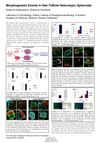
Researchers developed a method to create artificial hair follicles that may help with hair loss treatment and research.
 January 2022 in “Social Science Research Network”
 A new patch that releases quercetin, copper, and zinc ions under the skin can effectively treat hair loss by promoting hair follicle regeneration.
January 2006 in “Chinese Journal of Dermatology” Hair follicle-like structures can be created using hair cells on collagen/chitosan scaffolds.
July 2021 in “International Journal of Applied Pharmaceutics” The finasteride nanogel could be an effective topical treatment for hair loss.
January 2021 in “대한피부과학회지” The solution increased hair density safely and effectively for hair loss.
November 2025 in “ACS Applied Materials & Interfaces” Plant-derived nanovesicles effectively deliver finasteride for hair regrowth in androgenetic alopecia.