1 citations
,
October 2025 in “Beni-Suef University Journal of Basic and Applied Sciences” Lipid-based nanocosmeceuticals improve skin therapy by enhancing ingredient delivery and effectiveness for anti-aging and skin disorders.
 47 citations
,
September 2015 in “Journal of Drug Delivery Science and Technology”
47 citations
,
September 2015 in “Journal of Drug Delivery Science and Technology” Nanoparticulate systems improve drug delivery by controlling release, protecting drugs, changing absorption and distribution, and concentrating drugs in targeted areas.
 August 2023 in “Indian Journal of Pharmaceutical Education and Research”
 Nanoemulgel is a promising method for applying topical drugs effectively, but safety must be evaluated due to new administration techniques.
 5 citations
,
August 2025 in “Drug Delivery and Translational Research”
5 citations
,
August 2025 in “Drug Delivery and Translational Research” Lipid-polymer hybrid nanoparticles show promise for skin treatments but need better formulation strategies.
71 citations
,
March 2016 in “PubMed” Smaller particles improve drug delivery through the skin.
95 citations
,
July 2015 in “European journal of pharmaceutics and biopharmaceutics” Lipid nanoparticles can help deliver drugs through hair follicles but struggle to penetrate deeper skin layers.
 13 citations
,
January 2019 in “Colloids and Surfaces B: Biointerfaces”
13 citations
,
January 2019 in “Colloids and Surfaces B: Biointerfaces” The new drug delivery systems made with surfactants and block polymers are stable and not toxic.
The new delivery system makes retinol and niacinamide more stable and effective for anti-aging and skin-brightening.
 128 citations
,
March 2016 in “Advanced Pharmaceutical Bulletin”
128 citations
,
March 2016 in “Advanced Pharmaceutical Bulletin” Smaller nanoparticles penetrate skin better, especially through hair follicles.
 260 citations
,
January 2019 in “Pharmaceutics”
260 citations
,
January 2019 in “Pharmaceutics” Niosomes are a promising, stable, and cost-effective drug delivery system with potential for improved targeting and safety.
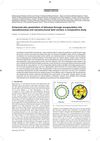 15 citations
,
May 2016 in “Die Pharmazie”
15 citations
,
May 2016 in “Die Pharmazie” Nanostructured lipid carriers deliver lidocaine to the skin better than nanoethosomes.

DOPE:DOPC liposomes can improve targeted cancer drug delivery, reducing side effects and increasing effectiveness.
8 citations
,
May 2024 in “Advanced NanoBiomed Research” Nanocarriers can improve skin drug delivery but face challenges in clinical use.
October 2017 in “Doctoral thesis, UCL (University College London).” Lipid-based nanoparticles are effective for applying hair growth treatments to the skin.
 72 citations
,
December 2012 in “Expert Opinion on Drug Delivery”
72 citations
,
December 2012 in “Expert Opinion on Drug Delivery” Niosomes are promising for skin drug delivery, offering benefits like improved drug penetration and stability.
10 citations
,
December 2023 in “International Journal of Nanomedicine” Cell membrane-coated nanoparticles could improve gene therapy by enhancing delivery and targeting of nucleic acids.
 60 citations
,
February 1997 in “Journal of Dermatological Science”
60 citations
,
February 1997 in “Journal of Dermatological Science” Liposomes can safely and effectively deliver substances to mouse hair follicles, potentially useful for human hair treatments.
 140 citations
,
January 2009 in “JEADV. Journal of the European Academy of Dermatology and Venereology/Journal of the European Academy of Dermatology and Venereology”
140 citations
,
January 2009 in “JEADV. Journal of the European Academy of Dermatology and Venereology/Journal of the European Academy of Dermatology and Venereology” Liposomes improve drug delivery and reduce skin irritation in dermatology.
59 citations
,
September 2021 in “Cosmetics” Lipid nanoparticles in cosmetics can effectively improve skin disorders and hair loss.
1 citations
,
February 2024 in “Pharmaceutics” Nanovesicles improve drug delivery through the skin, offering better treatment outcomes and fewer side effects.
 15 citations
,
October 2012 in “InTech eBooks”
15 citations
,
October 2012 in “InTech eBooks” Niosomes are a promising and effective way to deliver drugs through the skin.
92 citations
,
April 2021 in “Pharmaceutics” Characterizing lipid nanoparticles is challenging due to issues with sensitivity, reproducibility, and reliability.
25 citations
,
February 2024 in “Pharmaceutics” Nanocarriers can make acne treatments more effective and gentle on the skin.
5 citations
,
April 2022 in “IntechOpen eBooks” Nanoemulgel is a better way to deliver drugs through the skin for various conditions.
 35 citations
,
October 2015 in “International Journal of Pharmaceutics”
35 citations
,
October 2015 in “International Journal of Pharmaceutics” Tiny particles carrying roxithromycin can effectively target and deliver the drug to hair follicles without irritation.
 June 2026 in “Discover Nano”
 Lipid nanocarriers could effectively promote hair regrowth with fewer side effects.
21 citations
,
July 2015 in “International Journal of Nanomedicine” Increased liposome fluidity boosts skin penetration of sodium fluorescein.
46 citations
,
March 2009 in “Die Pharmazie” Minoxidil-loaded nanostructured lipid carriers are effective for topical use.
14 citations
,
November 2021 in “Nanoscale” The research shows how a specially structured nanoemulsion delivers vitamins A and E through the skin.
 10 citations
,
January 2024 in “Polymer Chemistry”
10 citations
,
January 2024 in “Polymer Chemistry” Lipid–polymer hybrid nanoparticles can improve genome editing delivery and outcomes.