 57 citations
,
September 2017 in “Journal of controlled release”
57 citations
,
September 2017 in “Journal of controlled release” Nanocarrier-loaded gels improve drug delivery for cancer, skin conditions, and hair loss.
25 citations
,
February 2024 in “Pharmaceutics” Nanocarriers can make acne treatments more effective and gentle on the skin.
January 2026 in “Pharmaceutics” Nanotechnology in skincare improves ingredient stability, skin penetration, and controlled release for better cosmetic solutions.
 15 citations
,
May 2016 in “Die Pharmazie”
15 citations
,
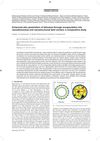
May 2016 in “Die Pharmazie” Nanostructured lipid carriers deliver lidocaine to the skin better than nanoethosomes.
 10 citations
,
January 2024 in “Polymer Chemistry”
10 citations
,
January 2024 in “Polymer Chemistry” Lipid–polymer hybrid nanoparticles can improve genome editing delivery and outcomes.
20 citations
,
October 2023 in “Small” Microneedles show promise for treating hair loss, eye, and mouth diseases.
 February 2026 in “Biomedicines”
 Nanotechnology offers promising new treatments for hair loss by improving targeted delivery and addressing key causes.
January 1994 in “Memorial University Research Repository (Memorial University)” Oleosomes help cell growth in Sesbania rostrata nodules but don't aid nitrogen fixation.
Lipid carriers improve delivery of hair loss treatments to follicles.
 8 citations
,
January 2021 in “Pharmaceutics”
8 citations
,
January 2021 in “Pharmaceutics” Nanoporous silica entrapped lipid-drug complexes significantly improve the solubility and absorption of drugs that don't dissolve well in water.
July 2024 in “Journal of Controlled Release” Nanostructured lipid carriers effectively deliver tofacitinib to hair follicles, reversing hair loss in alopecia areata.

A new imaging method helps see and study touch nerve endings in mouse skin.
110 citations
,
January 2014 in “Journal of Controlled Release” Phospholipid-coated nanoparticles penetrate hair follicles better than others, especially in pig ears.
71 citations
,
March 2016 in “PubMed” Smaller particles improve drug delivery through the skin.
 March 2018 in “International Pharmacy Acta”
 New niosomal formulation effectively delivers aminexil through rat skin.

Ultrasound and nanocarriers could make breast cancer treatment safer and more effective.
15 citations
,
November 2020 in “International Journal of Molecular Sciences” Multi-walled carbon nanotubes can enhance root hair growth in certain plants by affecting nitric oxide and ethylene pathways, but only at specific concentrations.

Newly designed proteins can effectively degrade specific proteins in cells, offering a potential new therapy method.
January 2026 in “Journal of Nanomaterials”  51 citations
,
May 2010 in “Journal of Drug Targeting”
51 citations
,
May 2010 in “Journal of Drug Targeting” Transcutol-containing vesicles improve minoxidil's skin penetration and hair growth promotion.
January 2025 in “Pharmaceuticals” Nanocarriers can improve antioxidant delivery to the skin but face safety and production challenges.
 3 citations
,
January 2022 in “Pharmaceutics”
3 citations
,
January 2022 in “Pharmaceutics” Nanostructured delivery systems could potentially improve hair loss treatment by targeting drugs to hair follicles, reducing side effects and dosage, but the best size, charge, and materials for these systems need further investigation.
 16 citations
,
November 2023 in “Scientific Reports”
16 citations
,
November 2023 in “Scientific Reports” The niosomes effectively target hair follicles for acne treatment.
January 2025 in “SSRN Electronic Journal”  22 citations
,
March 2020 in “Cosmetics”
22 citations
,
March 2020 in “Cosmetics” Nanotechnology improves minoxidil treatment for hair loss.
24 citations
,
March 2024 in “Small Science” Single-cell encapsulation shows promise for medical use but faces production challenges.
10 citations
,
July 2021 in “European journal of pharmaceutics and biopharmaceutics” Nanoparticles sized between 470 and 750 nm are best for delivering substances like caffeine into hair follicles for absorption.
5 citations
,
April 2022 in “IntechOpen eBooks” Nanoemulgel is a better way to deliver drugs through the skin for various conditions.
 61 citations
,
May 2016 in “Scientific reports”
61 citations
,
May 2016 in “Scientific reports” The peptide IMT-P8 can effectively deliver proteins into the skin and cells for potential skin treatments.
 April 2026 in “Zenodo (CERN European Organization for Nuclear Research)”
 Nanocrystals improve drug delivery and effectiveness.