 109 citations
,
December 1998 in “The Journal of Dermatology”
109 citations
,
December 1998 in “The Journal of Dermatology” Manipulating the catagen and telogen phases of hair growth could lead to treatments for hair disorders.
 May 2015 in “Journal of the American Academy of Dermatology”
 Certain drugs and supplements may contribute to hair loss in the frontal hairline in older women.
 September 1997 in “JEADV. Journal of the European Academy of Dermatology and Venereology/Journal of the European Academy of Dermatology and Venereology”
 Blocking IL-1 could help treat some hair loss conditions; alopecia affects liver detox systems; spironolactone is better than finasteride for female hair growth; focusing on the catagen hair phase could lead to new alopecia treatments.
1 citations
,
January 2004 in “PubMed” NGF and minoxidil promote hair growth, while 17 beta-E2 inhibits it.
 26 citations
,
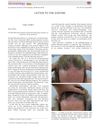
June 2018 in “Australasian Journal of Dermatology”
26 citations
,
June 2018 in “Australasian Journal of Dermatology” Stopping sunscreen use on the forehead led to hair regrowth in a woman with frontal fibrosing alopecia.
1 citations
,
February 2016 in “Cell Transplantation” Hair follicles have a more inactive cell cycle than other skin cells, which may help develop targeted therapies for skin diseases and cancer.
December 2022 in “Clinical and experimental dermatology and therapies” Adding the topical gel improved hair growth more than using minoxidil or finasteride alone.

Both trichoscopy and folliscopy accurately diagnose telogen effluvium, but trichoscopy is easier and faster.
 13 citations
,
January 2020 in “Nanoscale”
13 citations
,
January 2020 in “Nanoscale” Finasteride and baicalin in phospholipid vesicles effectively promote hair growth and increase follicle count.
 1 citations
,
May 2024 in “Dermatology and Therapy”
1 citations
,
May 2024 in “Dermatology and Therapy” Frontal Fibrosing Alopecia needs better diagnostics and treatments, with dutasteride showing promise.
 19 citations
,
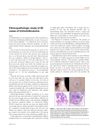
September 2016 in “Journal of the European Academy of Dermatology and Venereology”
19 citations
,
September 2016 in “Journal of the European Academy of Dermatology and Venereology” Trichofolliculoma is a unique benign tumor mainly affecting middle-aged adults' faces, often misdiagnosed without histopathology.
47 citations
,
September 1997 in “Journal of Pharmaceutical Sciences” Properly formulated large molecules can reach active levels at the hair bulb.
16 citations
,
November 2020 in “In Vitro Cellular & Developmental Biology - Animal” Microfollicles can effectively model human hair follicles for research and testing.
Optimized carriers effectively deliver Finasteride for hair loss treatment.
142 citations
,
January 2010 in “Journal of dermatological science” Hair follicles are promising targets for delivering drugs effectively.
 August 2023 in “Journal of Cosmetic Dermatology”
 Exosomes from hair papilla cells and the Chinese medicine Liao Tuo Fang can potentially promote hair growth and could be used to develop hair growth drugs.
 4 citations
,
July 2014 in “Journal of Investigative Dermatology”
4 citations
,
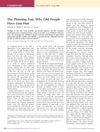
July 2014 in “Journal of Investigative Dermatology” Old people have less hair because their hair follicles don't regenerate as well, not because of fewer stem cells, and a protein called follistatin might help reactivate hair growth.
 55 citations
,
January 2002 in “Journal of liposome research”
55 citations
,
January 2002 in “Journal of liposome research” New liposomal formulations may improve delivery of treatments to hair follicles, potentially helping with hair loss.
 9 citations
,
July 2017 in “Journal of Drug Delivery Science and Technology”
9 citations
,
July 2017 in “Journal of Drug Delivery Science and Technology” Scientists developed a new method to deliver alopecia treatment directly to hair follicles, which could be a promising treatment for hair loss and other hair diseases.
 1 citations
,
October 2018 in “InTech eBooks”
1 citations
,
October 2018 in “InTech eBooks” Only minoxidil and finasteride are FDA-approved for hair loss, with other treatments available but less effective or with side effects.

An integrated approach with accurate diagnosis and targeted treatment improves outcomes for female hair loss.
 April 2026 in “BMC Biotechnology”
 A new peptide, DualPep-ALO, may help hair growth by reducing inflammation and boosting growth factors.
 11 citations
,
May 2023 in “Journal of Cutaneous Medicine and Surgery”
11 citations
,
May 2023 in “Journal of Cutaneous Medicine and Surgery” Plasma Rich in Growth Factors may help reduce hair loss in Frontal Fibrosing Alopecia.
 40 citations
,
January 2013 in “International journal of trichology”
40 citations
,
January 2013 in “International journal of trichology” Perifollicular erythema can indicate active frontal fibrosing alopecia.
 5 citations
,
February 2004 in “Clinical and Experimental Ophthalmology”
5 citations
,
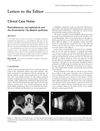
February 2004 in “Clinical and Experimental Ophthalmology” Multiple eye conditions were studied, highlighting the importance of various imaging methods for diagnosis, the vision side effects of drugs tamoxifen and Propecia, and the usefulness of optical coherence tomography for diagnosing and monitoring macular and retinal diseases.
 January 2025 in “Dermatology Practical & Conceptual”
 Topical finasteride is as effective and safe as minoxidil for treating female pattern hair loss.

Early combination therapy can effectively regrow hair in frontal fibrosing alopecia.
11 citations
,
July 2018 in “AJGP” Low-dose oral minoxidil effectively reduces hair loss in women with female pattern hair loss.
March 2023 in “Advances in Clinical and Experimental Medicine” Oral and topical finasteride are effective and safe for treating female hair loss.
 May 2015 in “Journal of The American Academy of Dermatology”
 5% minoxidil foam helps women with thinning hair.