 December 2018 in “IntechOpen eBooks”
 Neurohormones help control skin health and could treat skin disorders.
 26 citations
,
May 2014 in “BioEssays”
26 citations
,
May 2014 in “BioEssays” Using neurohormones to control keratin can lead to new skin disease treatments.
 22 citations
,
November 2007 in “Journal of Investigative Dermatology Symposium Proceedings”
22 citations
,
November 2007 in “Journal of Investigative Dermatology Symposium Proceedings” Hair growth and health are influenced by stress and hormones.
 7 citations
,
October 2000 in “Allergo Journal”
7 citations
,
October 2000 in “Allergo Journal” Stress may affect hair growth by influencing hair follicle development and could contribute to hair loss.
54 citations
,
March 2009 in “BioEssays” Hormones control keratin production in skin and hair.
 April 2018 in “The journal of investigative dermatology/Journal of investigative dermatology”
 17β-estradiol may help hair growth by increasing cannabinoid receptor type 1.
 127 citations
,
December 2005 in “Experimental Dermatology”
127 citations
,
December 2005 in “Experimental Dermatology” Stress can stop hair growth in mice, and treatments can reverse this effect.
 November 2022 in “Journal of Investigative Dermatology”
 Growth hormone-releasing hormone (GHRH) boosts hair growth and human scalp hair follicles have their own growth hormone system.
 113 citations
,
March 2018 in “Biological reviews/Biological reviews of the Cambridge Philosophical Society”
113 citations
,
March 2018 in “Biological reviews/Biological reviews of the Cambridge Philosophical Society” Animals that change color with the seasons mainly do so in response to daylight changes, but climate change is causing camouflage problems that may require evolutionary changes.
 September 2022 in “Women's healthcare”
 PCOS is managed by lifestyle changes and personalized medication to improve symptoms and fertility.
 42 citations
,
March 2008 in “Molecular and Cellular Endocrinology”
42 citations
,
March 2008 in “Molecular and Cellular Endocrinology” Hormones and neuroendocrine factors control hair growth and color, and more research could lead to new hair treatment options.
 10 citations
,
February 2013 in “British Journal of Dermatology”
10 citations
,
February 2013 in “British Journal of Dermatology” Thyrotropin-releasing hormone may help control skin and hair growth and could aid in treating related disorders.
 48 citations
,
January 2000 in “Hormone Research in Paediatrics”
48 citations
,
January 2000 in “Hormone Research in Paediatrics” Cytokines and neuropeptides are key in controlling androgen levels, affecting skin and hair conditions.
April 2026 in “Journal of Dermatology Research” The skin communicates with the nervous system, and targeting neurohormones like melatonin and oxytocin could help treat skin issues.
February 2025 in “Endocrine Reviews” Hormones affect skin aging, but only topical retinoids and estrogens are used in treatments now.
 4 citations
,
August 2021 in “Theriogenology”
4 citations
,
August 2021 in “Theriogenology” Neurosteroids play a key role in controlling the brain-adrenal gland activity in pregnant sheep, both in normal and stressful situations.
1 citations
,
November 2010 in “Anticancer Research” Finasteride and dutasteride both increase chromogranin A levels similarly.
 January 2026 in “Frontiers in Medicine”
 Acupuncture reduces anxiety and depression in women with PCOS.

Oral lichen planus is not linked to sex hormone levels.
 1 citations
,
June 2012 in “Springer eBooks”
1 citations
,
June 2012 in “Springer eBooks” Acupuncture may improve reproductive and metabolic functions in PCOS without negative side effects, but more research is needed to confirm its effectiveness.
April 2020 in “Journal of the Endocrine Society” Somatostatin analogues effectively manage ectopic ACTH syndrome when surgery isn't possible.
9 citations
,
January 2005 in “Experimental Dermatology” Human hair follicles can produce stress hormones like the body's main stress response system.
 August 2025 in “Endokrynologia Polska”
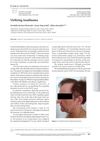
 A rare pancreatic tumor caused a woman's male-like features, treated successfully with surgery and medication.
7 citations
,
May 2022 in “Frontiers in Medicine” Combining camouflage with psychotherapy improves quality of life for vitiligo patients.
 1 citations
,
May 2025 in “Scientific Reports”
1 citations
,
May 2025 in “Scientific Reports” Sex hormones do not cause oral lichen planus.
May 2025 in “Journal of Clinical Medicine” Women with alopecia areata have poor blood flow, possibly due to nerve inflammation.
 100 citations
,
May 2003 in “Journal of Neuroscience”
100 citations
,
May 2003 in “Journal of Neuroscience” Neuroactive steroids affect cocaine's rewarding effects through the ς1 receptor.
 64 citations
,
January 2010 in “The FASEB Journal”
64 citations
,
January 2010 in “The FASEB Journal” Prolactin affects the production of different keratins in human hair, which could lead to new treatments for skin and hair disorders.

Understanding hair follicle signaling can improve hair disorder treatments.
 103 citations
,
November 2014 in “Journal of Cell Biology”
103 citations
,
November 2014 in “Journal of Cell Biology” MicroRNA-214 is important for skin and hair growth because it affects the Wnt pathway.