November 2025 in “Frontiers in Endocrinology” A rare tumor caused unusual hormone production leading to Cushing syndrome.
May 2025 in “Journal of the ASEAN Federation of Endocrine Societies” Early advanced therapies are crucial for better survival in aggressive insulinoma cases.
February 2025 in “Endocrine Reviews” Hormones affect skin aging, but only topical retinoids and estrogens are used in treatments now.
7 citations
,
May 2022 in “Frontiers in Medicine” Combining camouflage with psychotherapy improves quality of life for vitiligo patients.
 100 citations
,
May 2003 in “Journal of Neuroscience”
100 citations
,
May 2003 in “Journal of Neuroscience” Neuroactive steroids affect cocaine's rewarding effects through the ς1 receptor.
51 citations
,
December 2017 in “Skin Appendage Disorders” Stress may trigger hair loss by affecting immune protection in hair follicles.
 27 citations
,
January 2017 in “Neuropsychopharmacology”
27 citations
,
January 2017 in “Neuropsychopharmacology” The enzyme 5α-reductase is key in causing psychotic-like effects from sleep deprivation.
24 citations
,
January 2011 in “Sexual Development” Intersex frogs have different brain gene activity related to sex and thyroid hormones.
22 citations
,
April 2004 in “Journal of Neurochemistry” Acute stress increases Y1 receptor gene expression in certain brain areas, but repeated stress does not.
11 citations
,
April 2023 in “Skin Health and Disease” Psychological stress can worsen skin conditions like psoriasis and acne.
 4 citations
,
August 2021 in “Theriogenology”
4 citations
,
August 2021 in “Theriogenology” Neurosteroids play a key role in controlling the brain-adrenal gland activity in pregnant sheep, both in normal and stressful situations.
 1 citations
,
May 2025 in “Scientific Reports”
1 citations
,
May 2025 in “Scientific Reports” Sex hormones do not cause oral lichen planus.
1 citations
,
June 2022 in “Frontiers in Neuroanatomy” Early hormones shape sex-specific differences in rat glands.
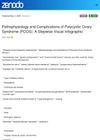 May 2026 in “Zenodo (CERN European Organization for Nuclear Research)”
 PCOS is influenced by genetics and lifestyle, causing hormonal imbalances and health risks like diabetes and infertility.
 May 2026 in “Zenodo (CERN European Organization for Nuclear Research)”
 PCOS is influenced by genetics and lifestyle, causing hormonal imbalances and health risks like diabetes and infertility.
 March 2026 in “Journal of Clinical and Basic Psychosomatics”
 Tianmeng oral liquid may help with insomnia, anxiety, and depression.
May 2025 in “Journal of Clinical Medicine” Women with alopecia areata have poor blood flow, possibly due to nerve inflammation.
 5 citations
,
September 2012 in “Journal of Investigative Dermatology”
5 citations
,
September 2012 in “Journal of Investigative Dermatology” Scientists can mimic hair disorders by altering genes in lab-grown human hair follicles, but these follicles lack some features of natural ones.
November 2014 in “Clinical Neurophysiology” High doses of progesterone can reduce seizures in mice.
 33 citations
,
December 2015 in “Neuroendocrinology”
33 citations
,
December 2015 in “Neuroendocrinology” Finasteride treatment changes brain steroid levels and receptors, affecting brain function even after stopping treatment.
10 citations
,
November 2019 in “Neuroendocrinology” Measuring 17-hydroxyprogesterone in hair can help monitor androgen levels in people with congenital adrenal hyperplasia.
4 citations
,
January 1982 in “Neuroendocrinology” Dopamine affects coat color changes in agouti mice.
 65 citations
,
October 2008 in “Journal of Neuroendocrinology” 18 citations
,
September 2021 in “Journal of Neuroendocrinology”
65 citations
,
October 2008 in “Journal of Neuroendocrinology” 18 citations
,
September 2021 in “Journal of Neuroendocrinology” Neurosteroids can influence behavior by modulating brain inhibition, with potential for treating psychiatric disorders.
 18 citations
,
March 2020 in “Frontiers in Neuroendocrinology”
18 citations
,
March 2020 in “Frontiers in Neuroendocrinology” The enzymes 5α-reductase and 3α/β-hydroxysteroid oxidoreductase help create brain-active substances from progesterone and testosterone, which could be used for treatment, but more research is needed to ensure their safety and effectiveness.
8 citations
,
November 2024 in “Journal of Neuroendocrinology” Gut bacteria affect steroid levels, influencing health conditions and potential treatments.
September 2024 in “Frontiers in Neuroendocrinology” 5-alpha reductase inhibitors may help protect the brain and gut in Parkinson's disease.
 November 2023 in “Frontiers in Neuroendocrinology”
 Some people experience lasting sexual, psychological, and sleep problems after using finasteride or SSRI antidepressants, possibly due to similar underlying causes.
 123 citations
,
December 2015 in “Journal of Neuroendocrinology”
123 citations
,
December 2015 in “Journal of Neuroendocrinology” New targets for making and using brain-synthesized steroids could lead to better treatments for brain disorders and alcoholism.
52 citations
,
May 2011 in “Journal of Neuroendocrinology” PEA boosts allopregnanolone production and reduces oxidative stress in brain cells.