8 citations
,
June 2024 in “Pharmaceutics” PEA-ENL improves skin delivery and reduces inflammation without side effects.
 September 2021 in “Physiology News”
 Increasing research diversity is key for better understanding and treating Parkinson's Disease.
 1 citations
,
January 2018 in “Pediatrics in review”
1 citations
,
January 2018 in “Pediatrics in review” A 7-year-old boy with a brain tumor developed early puberty, which was successfully treated with medication.
13 citations
,
November 2023 in “International Journal of Nanomedicine” Nanofiber scaffolds show promise for improving nerve healing.
 1 citations
,
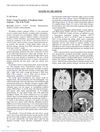
August 2021 in “Canadian journal of neurological sciences”
1 citations
,
August 2021 in “Canadian journal of neurological sciences” Woodhouse-Sakati syndrome can cause writer's cramp and other varied symptoms, highlighting the importance of genetic testing for diagnosis.
 April 2016 in “Journal of Investigative Dermatology”
 Sonic hedgehog signaling is needed for the development of touch-receptor cells in the skin, and the loss of Polycomb repressive complex 2 can lead to more of these cells.

Advances in RNA research and skin models offer hope for better skin healing without scarring.
2 citations
,
October 2023 in “Philosophical Transactions of the Royal Society B Biological Sciences” Different PADI isoforms help cells develop diverse functions.
Sensory neuron and Merkel cell changes in the skin happen independently during normal skin maintenance.
8 citations
,
January 2024 in “Medical Principles and Practice” IGFBP5 may be a potential target for Parkinson's treatment by reducing neuron death.
2 citations
,
December 2024 in “Journal of Cosmetic Dermatology” SNP profiling allows personalized skincare treatments for better results and fewer side effects.
 6 citations
,
April 2015 in “Behavioural Brain Research”
6 citations
,
April 2015 in “Behavioural Brain Research” Finasteride worsens stress effects on sensory processes, possibly linking to anxiety/depression.
 January 2026 in “Clinical Cosmetic and Investigational Dermatology”
 Polynucleotides show promise for improving skin conditions safely but need more research.
11 citations
,
July 2015 in “Journal of Anatomy” SLVs help maintain muscle stretch sensitivity and could aid in treating hypertension and muscle spasticity.
110 citations
,
January 2014 in “Journal of Controlled Release” Phospholipid-coated nanoparticles penetrate hair follicles better than others, especially in pig ears.
 1 citations
,
June 2023 in “Reproduction”
1 citations
,
June 2023 in “Reproduction” Microglia, the brain's immune cells, may contribute to Polycystic Ovary Syndrome (PCOS) by altering the female brain's structure and function, with kisspeptin neurons and GABA neurotransmitters also playing a role.
 January 2020 in “International Journal of PharmTech Research”
 A man with severe leprosy developed painless ulcers and numbness, treated successfully with multiple drugs and vitamins.
8 citations
,
May 2024 in “Diagnostics” AI chatbots can help teach dermatology but need careful checking for accuracy.
July 2024 in “Journal of Investigative Dermatology” INTASYL is a promising, adaptable RNAi technology for treating skin cancers.
 January 2024 in “Wiadomości Lekarskie”
 New technologies improve diagnosis and treatment of digestive disorders.
August 2006 in “Experimental dermatology” Neurotrophins are important for hair growth and response to stress.
January 2005 in “Psychoneuroendocrinology” Finasteride may affect brain chemistry and behavior, offering potential for treating certain mental health conditions.
April 2023 in “Journal of Investigative Dermatology” CD8+ T cells attack hair follicle stem cells, causing scarring and hair loss.
 November 1995 in “Hair transplant forum international”
 The document cannot be understood or processed.
 24 citations
,
May 2015 in “Schizophrenia Research”
24 citations
,
May 2015 in “Schizophrenia Research” A drug improved schizophrenia-like symptoms in stressed rats by changing brain steroid levels.
September 2016 in “Journal of Dermatological Science” Polarizing light microscopy can easily and reliably diagnose congenital keratinizing disorders like Netherton syndrome.

Microneedling may improve quality of life and reduce inflammation in frontal fibrosing alopecia.
 101 citations
,
January 1997 in “Journal of Investigative Dermatology Symposium Proceedings”
101 citations
,
January 1997 in “Journal of Investigative Dermatology Symposium Proceedings” Nerves and chemicals in the body can affect hair growth and loss.
December 2021 in “Morphologia” Neural crest cells could be used in regenerative medicine due to their ability to become different cell types.
November 1998 in “European Neuropsychopharmacology”