 January 2026 in “Journal of Biomedical Research”
 Small extracellular vesicles from stem and immune cells show promise for treating various diseases but face challenges in clinical use.
 December 2025 in “Lviv clinical bulletin”
 PRP therapy may help with ovarian issues and fertility, but more research is needed.
 December 2025 in “Frontiers in Immunology”
 Restoring nerve-macrophage communication may help treat autoimmune diseases.
 December 2025 in “Scientific Reports”
 Valproic acid helps hair follicle stem cells survive better in low oxygen and glucose conditions.
 December 2025 in “Journal of Advanced Biotechnology and Experimental Therapeutics”
 Mesenchymal stem cells may help reduce melanin in UV-exposed mice.
 November 2025 in “Frontiers in Nutrition”
 Better nutrition may reduce fecal incontinence in stroke patients by lowering inflammation and improving antioxidant levels.
 November 2025 in “Frontiers in Endocrinology”
 Apigenin and ellagic acid may help manage PCOS symptoms.
 June 2025 in “Basrah Researches Sciences”
 Medicinal plants might help with post-COVID-19 issues, but more research is needed.
 May 2025 in “Anatolian journal of obstetrics and gynecology research.”
 Androgens affect many aspects of female health, and more research is needed to understand their roles and treatment potential.
Exosome therapy could help hair growth but needs more research for safety and effectiveness.
Bacopa monniera promotes hair growth, enhances memory, and helps with inflammation and stomach issues.
 January 2025 in “International Journal of Pharmacology”
 Both steroids, especially cyproterone acetate, harm quail's vital organs.
 January 2025 in “Medical Research Archives”
 Low-level laser therapy can help with inflammation but isn't widely accepted yet.
 January 2025 in “Fitoterapia”
 Signaling pathways are key targets for developing effective drugs.
 December 2024 in “Deleted Journal”
 New therapies show promise for wound healing, but more research is needed for safe, affordable options.

The mesenchymal stem cell secretome may effectively treat various diseases as an alternative to traditional stem cell therapies.
 March 2024 in “Frontiers in medicine”
 PRP treatment can safely improve short-term vision in acute NAION patients.
 February 2024 in “Journal of Education, Health and Sport”
 Exosomes can help repair and heal tissues, improving health and vitality.
 January 2024 in “Research Square (Research Square)”
 Traditional Chinese medicine may help treat ischemic stroke by targeting specific genes and pathways.
 January 2024 in “Clinical dermatology open access journal”
 Hemp-derived cannabinoids can benefit skin and hair without causing a high.
 November 2023 in “International journal of Ayurveda and pharma research”
 The herbal hair oil effectively promotes hair growth, nourishes the scalp, and prevents dandruff.
 November 2023 in “Klìtinna ta organna transplantologìâ”
 MSC-derived exosomes can help treat COVID-19, hair loss, skin aging, and arthritis.

Bee pollen, green tea, essential oils, and various plant extracts improve skin and hair health.
 March 2023 in “Clinical, cosmetic and investigational dermatology”
 IL-33 is linked to hair follicle damage in psoriasis and could be a treatment target for hair loss in this condition.
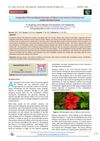 October 2022 in “International journal of pharmaceutical sciences review and research”
 Hibiscus leaf extract is better for diabetes, and Eclipta alba bark extract is better for antioxidants.

The workshop promoted better medicine use and health practices through global collaboration.

The workshop successfully promoted better medicine use and international collaboration.
 May 2020 in “Research Square (Research Square)”
 Hair follicle stem cells may help treat strokes.
 January 2020 in “Journal of quality in health care & economics”
 Most women with depression in the study had low vitamin D levels.

Accurate diagnosis and timely, tailored treatments improve outcomes in obstetrics and gynecology.