 January 2014 in “Springer eBooks”
 Inflammasome proteins can indicate the severity and treatment response of various diseases and injuries.
![Antiexudative Effects of Finasteride and a New Pyrazolo[C]Pyridine Derivative GIZh-72 in Acetic Acid-Induced Experimental Peritonitis](/images/assets/10e636c8-32b7-4d90-b645-80e0039c5960/small/4762.jpg) February 2020 in “Bulletin of Experimental Biology and Medicine”
February 2020 in “Bulletin of Experimental Biology and Medicine” Finasteride and GIZh-72 reduce inflammation, with GIZh-72 being more effective.
180 citations
,
June 2004 in “Journal of Pharmacology and Experimental Therapeutics” Progesterone's seizure-reducing effects are mainly due to allopregnanolone, not progesterone receptors.
 130 citations
,
September 2018 in “Cell Reports”
130 citations
,
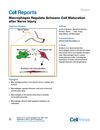
September 2018 in “Cell Reports” Macrophages help heal nerves by aiding the maturation of Schwann cells and are important for nerve repair.
28 citations
,
October 2011 in “British Journal of Pharmacology” Midazolam's seizure prevention is partly due to increased neurosteroid production.
32 citations
,
September 2010 in “Stress” Neurosteroids help protect fetal brains from asphyxia damage.
6 citations
,
June 2025 in “Nano Biomedicine and Engineering” Smart nano-PROTACs improve cancer treatment by targeting proteins more precisely and reducing side effects.
August 2006 in “Experimental dermatology” Neurotrophins are important for hair growth and response to stress.
2 citations
,
December 2024 in “Neural Regeneration Research” Exosome therapy could revolutionize stroke treatment, but more research is needed for human use.
January 2015 in “Elsevier eBooks” Stem cells show promise for nerve injury treatment, but more research is needed before human use.
5 citations
,
October 2023 in “Phytotherapy Research” Dauricine may help treat certain brain cancers by reducing cancer cell growth and promoting cell death.
May 2025 in “Neuropharmacology” Finasteride reduced seizures and prevented cognitive issues in rats after neonatal asphyxia but increased anxiety later.
 April 2019 in “Journal of Investigative Dermatology”
 Non-coding RNA boosts retinoic acid production and signaling, aiding regeneration.
189 citations
,
May 1999 in “Microscopy Research and Technique” Neurotrophins, especially NGF, are crucial for pain development and management.
19 citations
,
September 2006 in “Journal of Neurophysiology” Neurosteroids help balance brain signals when certain inhibitions are reduced.
7 citations
,
October 2023 in “European Journal of Pharmacology” Cannabidivarin (CBDV) may help brain cell growth and survival through the TRPV1 receptor.
November 2007 in “Science” Keratin-based hydrogels from human hair help nerve repair better than traditional methods.
7 citations
,
July 2023 in “International Journal of Molecular Sciences” Hyaluronic acid reduces cell damage from DMSO in preserved human cells.
99 citations
,
January 2004 in “Progress in brain research” Neurotrophins are important for hair growth and could help treat hair loss.
December 2022 in “Stem Cells and Development” Exosomes from stem cells help improve nerve repair in rats.
 36 citations
,
July 2019 in “Journal of Materials Science Materials in Medicine”
36 citations
,
July 2019 in “Journal of Materials Science Materials in Medicine” Human hair keratin helps repair nerve damage in rats.
13 citations
,
January 2020 in “Annals of Oncology” Cryotherapy and compression therapy might help prevent chemotherapy nerve damage, but more research is needed.
 November 2023 in “ACS Nano”
 The device helps restore sensation and grow new hair follicles after skin burns.
 January 2024 in “Biological Research”
 Tiny particles from stem cells can help protect ear cells from antibiotic damage by helping cells remove damaged parts.
 25 citations
,
April 2012 in “Acta Biomaterialia”
25 citations
,
April 2012 in “Acta Biomaterialia” Using certain small proteins with a growth factor and specific materials can increase the creation of neurons from stem cells.
44 citations
,
February 2009 in “Pain” Progesterone reduces spinal reflex activity by increasing certain GABA(A) receptor subtypes.
6 citations
,
January 2016 in “Open journal of regenerative medicine” Keratin treatment reduces astrocyte reactivity and inflammation.
34 citations
,
July 2006 in “The Journal of Comparative Neurology” Increasing neurotrophin 4 in skin boosts nerve endings but not sensory neuron count.
 December 2020 in “Innovation in aging”
 Rapamycin treatment helps reduce brain inflammation and symptoms of mitochondrial disease by blocking specific pathways in mice.
2 citations
,
April 2014 in “PubMed” Epidermal neural crest stem cells from hair follicles can help repair nerve injuries.