 9 citations
,
December 2023 in “Journal of Neuroimmune Pharmacology”
9 citations
,
December 2023 in “Journal of Neuroimmune Pharmacology” NDP-MSH protects brain cells and reduces inflammation in Parkinson's disease by activating MC1R and involving Tregs.

Ca²⁺-mediated protein citrullination controls cell growth in the CNS and may help treat brain tumors.
166 citations
,
November 2008 in “Expert Review of Endocrinology & Metabolism” Biotin and biotinidase are essential to prevent health issues, and deficiencies require lifelong supplementation.
July 2026 in “Journal of the American Academy of Dermatology” 3 citations
,
February 2017 in “The American journal of medicine” A woman's heart failure improved after she added vitamins and changed her diet from only cheese chips and cake.
3 citations
,
October 2023 in “Journal of Pain” Certain proteins might predict surgical success in trigeminal neuralgia treatment.
Bioactive compounds in neurocosmetics can improve skin health and emotional well-being.
January 1959 in “Acta medica Scandinavica” A balanced diet with essential vitamins, especially B-complex, prevents hair loss.
72 citations
,
October 1988 in “Archives of Disease in Childhood” Biotin treatment improves symptoms of biotinidase deficiency, but some neurological damage may be permanent.
July 2025 in “JAAD Case Reports” 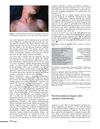
A boy on a ketogenic diet and anti-epileptic drugs developed skin issues due to stopping vitamin supplements, which improved with proper supplementation.
 May 2024 in “Endocrine practice”
 Vitamin A toxicity can cause serious health issues like hypercalcemia and is often overlooked.
7 citations
,
March 2002 in “AIDS” Indinavir, especially with vitamin A, may cause bone changes, but switching to nelfinavir can reduce these effects.
 January 2026 in “Annals of Clinical Endocrinology and Metabolism”
 Restoring NAD⁺ may help with aging and chronic diseases, but more research is needed.
7 citations
,
October 2023 in “European Journal of Pharmacology” Cannabidivarin (CBDV) may help brain cell growth and survival through the TRPV1 receptor.
 12 citations
,
September 2022 in “Foods”
12 citations
,
September 2022 in “Foods” Some nutraceuticals may help in COVID-19 prevention and treatment, but more research is needed.
 February 2026 in “Journal of Integrative Neuroscience”
 NGF-modified hair follicle stem cells may help treat Alzheimer's by improving brain function and reducing harmful proteins.
15 citations
,
March 1996 in “PubMed” Anorexia nervosa may cause a hair defect called pili torti due to malnutrition and high vitamin A levels.
January 2018 in “Journal of Diabetic Association Medical College.” Biotinidase deficiency can cause serious health issues but is treatable with biotin supplements.
 7 citations
,
January 2013 in “Journal of Investigative Dermatology”
7 citations
,
January 2013 in “Journal of Investigative Dermatology” Vitamin A may influence hair loss conditions like alopecia, but more research is needed to understand how.
4 citations
,
July 2019 in “Clinical and experimental dermatology” Early diagnosis and biotin treatment are crucial for infants with biotinidase deficiency to prevent severe complications.
May 2025 in “VETERINARY SCIENCE TECHNOLOGIES OF ANIMAL HUSBANDRY AND NATURE MANAGEMENT” Poor-quality feed and low vitamin A cause reproductive issues in nutrias.
21 citations
,
January 1999 in “Molecular and Cellular Biochemistry” Niacin deficiency makes rats more sensitive to cancer-causing chemicals.
 1 citations
,
October 2021 in “Clinical, Cosmetic and Investigational Dermatology”
1 citations
,
October 2021 in “Clinical, Cosmetic and Investigational Dermatology” Vitamin B3 may help prevent hair loss and promote hair growth by protecting scalp cells from stress and reducing hair growth-blocking proteins.
 1 citations
,
June 2007 in “Almustansiriya journal of pharmaceutical sciences/Al-Mustansiriyah journal of pharmaceutical sciences”
1 citations
,
June 2007 in “Almustansiriya journal of pharmaceutical sciences/Al-Mustansiriyah journal of pharmaceutical sciences” Antioxidants can help improve hair growth in people with alopecia areata.
 February 2025 in “International Journal of Morphology”
 Vitamin E can reduce the negative effects of valproic acid on hair and skin development.
8 citations
,
August 1970 in “JAMA” Excessive vitamin A can cause symptoms that mimic serious brain conditions.
32 citations
,
April 2001 in “Experimental Eye Research” Zinc is essential for healthy optic nerves, and its deficiency can damage them.
June 2025 in “Proceedings of the National Academy of Sciences” A PIK3CA mutation in Schwann cells causes severe nerve damage and increased glycolysis, but early treatment can help.
October 2024 in “Clinical Chemistry” The girl's motor issues were due to scurvy from a lack of vitamin C, which improved with supplements.