2 citations
,
June 2023 in “Clinical Cosmetic and Investigational Dermatology” Using a dexpanthenol ointment after micro-needling speeds up skin healing without affecting benefits.
21 citations
,
May 2014 in “Toxicological Sciences” Toluene diisocyanate exposure can cause immune sensitization by interacting with proteins in hair follicles and sebaceous glands.
 September 2022 in “Dermatology and therapy”
 Contact immunotherapy might help treat various skin conditions, but more research is needed to confirm its safety and effectiveness.
July 2024 in “Journal of Investigative Dermatology” ITK inhibitors may effectively treat alopecia areata.
 15 citations
,
October 2022 in “Allergy”
15 citations
,
October 2022 in “Allergy” Dupilumab treatment reduces Th2-related markers and helps hair growth in alopecia areata, showing Th2's role in the condition.
10 citations
,
August 2023 in “The EMBO Journal” Kdm6b is crucial for skin cell differentiation.
August 2020 in “bioRxiv (Cold Spring Harbor Laboratory)” Normal cells outcompete and remove mutant cells in the pancreas with the help of the EphA2 receptor.
Loss of Dnmt3a and Dnmt3b increases aggressive skin tumors by affecting PPAR-γ.
5 citations
,
April 2019 in “Journal of Investigative Dermatology” Oral JAK inhibitors improved alopecia areata by modulating immune responses and boosting hair growth.
 9 citations
,
January 2019 in “American Journal of Dermatopathology”
9 citations
,
January 2019 in “American Journal of Dermatopathology” DKK-1 gene linked to hair loss in AGA and AA patients; more research needed for potential therapy.
7 citations
,
August 1996 in “The Journal of Clinical Endocrinology and Metabolism” 72 citations
,
July 2002 in “Journal of Investigative Dermatology” Desmoglein 1 can partly make up for the loss of Desmoglein 3 in hair adhesion but not in mucous membranes.
July 2024 in “International Journal of Molecular Sciences” The inhibitor DPP can promote hair growth.
The HG3 hair gel is the most effective for treating seborrheic dermatitis.
 2 citations
,
January 1994 in “Nihon Chikusan Gakkaiho”
2 citations
,
January 1994 in “Nihon Chikusan Gakkaiho” Cow colostrum and milk can effectively produce anti-hair keratin antibodies.
 7 citations
,
February 2010 in “British Journal of Dermatology”
7 citations
,
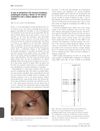
February 2010 in “British Journal of Dermatology” A woman with a rare autoimmune disorder had a blister on her eye and unique immune reaction, which was effectively treated with medication.
40 citations
,
July 2015 in “Kidney International” IL-3 worsens lupus nephritis and blocking it improves kidney health.
 January 2019 in “Proceedings for Annual Meeting of The Japanese Pharmacological Society”
 Nε-(carboxymethyl) lysine delays hair growth by blocking a key protein.
Suppressing ODC activity reduces tumor growth in hair follicles.
48 citations
,
June 2000 in “Japanese Journal of Cancer Research” Dimethylarsinic acid speeds up skin tumor growth in certain mice.
25 citations
,
April 1985 in “Journal of Investigative Dermatology”  October 2021 in “Journal of Investigative Dermatology”
 The study concluded that the developed models are effective for studying hair growth mechanisms and testing new treatments.
 4 citations
,
October 2021 in “Scientific Reports”
4 citations
,
October 2021 in “Scientific Reports” NKIRAS2 can suppress certain skin tumors but its effect on cancer varies with context and expression level.
30 citations
,
October 1999 in “Differentiation” Mutant MK6a transgenes in mice cause blistering, hair loss, and potential human alopecia.
36 citations
,
October 2019 in “Cell Proliferation” Tryptanthrin effectively suppresses non-melanoma skin cancer and is safe for normal skin.
60 citations
,
September 2001 in “British journal of dermatology/British journal of dermatology, Supplement” Topical contact sensitizers can treat certain skin conditions by changing the immune response.
14 citations
,
June 1982 in “Archives of Dermatology” A man had bad reactions to a hair loss treatment called DNCB.
September 2019 in “Journal of Investigative Dermatology” EGFR and MEK inhibitors reduce PD-L1 in hair follicles, possibly causing inflammation.
2 citations
,
May 2023 in “Biology” New mouse models of Pemphigus show severe symptoms and need better treatments.
32 citations
,
December 2019 in “The Journal of clinical investigation/The journal of clinical investigation” A protein called IL-36γ causes skin side effects from certain cancer treatments when combined with a common skin bacteria.