 2 citations
,
January 2018 in “Open Journal of Obstetrics and Gynecology”
2 citations
,
January 2018 in “Open Journal of Obstetrics and Gynecology” A significant number of Nigerian women struggling with infertility have Polycystic Ovary Syndrome, with the exact percentage varying based on the diagnostic criteria used.
 58 citations
,
April 2012 in “Journal of the American Academy of Dermatology”
58 citations
,
April 2012 in “Journal of the American Academy of Dermatology” Graft-versus-host disease is a complication where donor immune cells attack the recipient's body, often affecting the skin, liver, and gastrointestinal tract.
 215 citations
,
January 2011 in “Reproductive Biology and Endocrinology”
215 citations
,
January 2011 in “Reproductive Biology and Endocrinology” About 7% to 15% of Iranian women have polycystic ovary syndrome, depending on the criteria used to diagnose it.
 5 citations
,
March 2015 in “Women's Health”
5 citations
,
March 2015 in “Women's Health” The document concludes that diagnosing PCOS requires a thorough approach, considering various symptoms and risks, and calls for improved methods to identify PCOS types and prevent diabetes.
 3 citations
,
January 2024 in “Annals of Dermatology”
3 citations
,
January 2024 in “Annals of Dermatology” The criteria help doctors diagnose and treat alopecia areata more effectively.
 4809 citations
,
January 2004 in “Fertility and Sterility”
4809 citations
,
January 2004 in “Fertility and Sterility” The 2003 consensus updated PCOS diagnosis criteria and highlighted increased risks of diabetes and heart disease for those affected.
 4025 citations
,
December 2003 in “Human Reproduction”
4025 citations
,
December 2003 in “Human Reproduction” The 2003 consensus updated PCOS diagnosis criteria and linked PCOS to higher risks of diabetes and heart problems, recommending lifestyle changes to lower these risks.
August 2025 in “Australasian Journal of Dermatology” Experts created guidelines for who in Australia can get subsidized JAK inhibitor therapy for alopecia areata.
 1744 citations
,
August 2006 in “The Journal of Clinical Endocrinology and Metabolism”
1744 citations
,
August 2006 in “The Journal of Clinical Endocrinology and Metabolism” Polycystic Ovary Syndrome should be seen mainly as a condition of excess male hormones, with a focus on this in its definition.
 14 citations
,
June 2021 in “British journal of dermatology/British journal of dermatology, Supplement”
14 citations
,
June 2021 in “British journal of dermatology/British journal of dermatology, Supplement” Experts agreed on guidelines to improve research on Frontal Fibrosing Alopecia.
 22 citations
,
June 2017 in “Advances in Clinical and Experimental Medicine”
22 citations
,
June 2017 in “Advances in Clinical and Experimental Medicine” Polycystic ovary syndrome (PCOS) was first described in 1721, officially diagnosed in the 1990s, and is now known to be partly genetic and linked to insulin resistance, with increased risk of cardiovascular disease and carbohydrate metabolism issues.
 February 2018 in “InTech eBooks”
 Diagnosing and treating PCOS is complex due to differing criteria and requires a team approach.
 30 citations
,
April 2014 in “Seminars in Reproductive Medicine”
30 citations
,
April 2014 in “Seminars in Reproductive Medicine” Diagnosing PCOS in teenagers is hard because its symptoms often look like normal puberty, and there's a need for better diagnosis methods and agreement on criteria.
December 2025 in “Chinese Medical Journal” Experts recommend starting systemic treatment for alopecia areata when the condition is severe or causes significant distress.
December 2025 in “Actas Dermo-Sifiliográficas” Use a combination of oral dutasteride, topical treatments, and hydroxychloroquine to manage frontal fibrosing alopecia.
 45 citations
,
January 2006 in “Endocrine journal”
45 citations
,
January 2006 in “Endocrine journal” To diagnose Polycystic Ovarian Syndrome, two out of three signs—irregular periods, high male hormone levels, or cysts on the ovaries—are needed.
5 citations
,
January 2023 in “Indian Journal of Endocrinology and Metabolism” The statement offers guidance for hormone therapy and surgery to help gender-incongruent adults affirm a male identity.
 62 citations
,
April 2016 in “Best Practice & Research in Clinical Obstetrics & Gynaecology”
62 citations
,
April 2016 in “Best Practice & Research in Clinical Obstetrics & Gynaecology” The conclusion is that there's a need for a new conference to establish stricter guidelines for diagnosing Polycystic Ovary Syndrome (PCOS).
 8 citations
,
December 2017 in “Journal of The American Academy of Dermatology”
8 citations
,
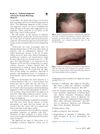
December 2017 in “Journal of The American Academy of Dermatology” The authors updated the criteria for diagnosing frontal fibrosing alopecia, making it easier to diagnose without a biopsy.
 24 citations
,
July 2012 in “Current Opinion in Obstetrics & Gynecology”
24 citations
,
July 2012 in “Current Opinion in Obstetrics & Gynecology” Early diagnosis and treatment are key to managing health risks in teens with PCOS.
 58 citations
,
January 2020 in “International Journal of Molecular Sciences”
58 citations
,
January 2020 in “International Journal of Molecular Sciences” Different methods of preparing Platelet-Rich Plasma (PRP) can affect wound healing and hair regrowth in plastic surgery. Using a kit with specific standards helps isolate PRP that meets quality criteria. Non-Activated PRP and Activated PRP have varying effects depending on the tissue and condition treated. For hair regrowth, Non-Activated PRP increased hair density more than Activated PRP. Both treatments improved various aspects of scalp health.
 1 citations
,
January 2023 in “BMC Women's Health”
1 citations
,
January 2023 in “BMC Women's Health” Polycystic Ovary Syndrome (PCOS) was found in 3.86% of tenth-grade girls in Guangzhou, China, with higher rates in overweight and obese girls, suggesting diagnosis should focus on hyperandrogenemia.
The conclusion is that a more comprehensive and precise approach is needed for diagnosing PCOS to address its broader health risks.
 31 citations
,
March 2018 in “Frontiers in Immunology”
31 citations
,
March 2018 in “Frontiers in Immunology” The document concludes that anti-dsDNA antibodies are not unique to SLE and their use as indicators is doubtful, highlighting the need for better understanding and classification of the disease.
42 citations
,
August 2022 in “Diagnostics” Diagnose PCOS in teens using irregular periods and high androgen levels, not ultrasound.
 767 citations
,
September 2016 in “Human Reproduction”
767 citations
,
September 2016 in “Human Reproduction” Polycystic ovary syndrome affects about 6-10% of women, with varying symptoms and the need for standardized global definitions.
 4 citations
,
January 2019 in “Clinical Chemistry”
4 citations
,
January 2019 in “Clinical Chemistry” Diagnosing Polycystic Ovary Syndrome is hard due to varying symptoms, no set criteria, and the need for better tests and education.
 3 citations
,
October 2010 in “Journal of Experimental & Clinical Medicine”
3 citations
,
October 2010 in “Journal of Experimental & Clinical Medicine” Obesity is a major risk factor for insulin resistance in Taiwanese women with PCOS, which is also an independent risk factor for metabolic syndrome.
 March 2023 in “Scholars international journal of obstetrics and gynecology”
 PCOS is a complex condition that affects women's hormonal balance and metabolism, requiring lifestyle changes and medical management.
 22 citations
,
October 2017 in “Australian & New Zealand Journal of Obstetrics & Gynaecology”
22 citations
,
October 2017 in “Australian & New Zealand Journal of Obstetrics & Gynaecology” Many young Australian women think they have PCOS, but only a few are diagnosed correctly, causing unnecessary worry.