1 citations
,
June 1990 in “PubMed” 2% topical minoxidil is safe and reduces hair shedding in Chinese men with male pattern baldness.
January 2021 in “Asian Journal of Research in Dermatological Science”  35 citations
,
November 1996 in “Journal of the American Academy of Dermatology”
35 citations
,
November 1996 in “Journal of the American Academy of Dermatology” Itraconazole was effective in treating unusual M. canis infections in only one of two HIV-infected men.
5 citations
,
July 2007 in “PubMed” Combining oral prednisolone and topical minoxidil effectively reduces hair loss and promotes regrowth in alopecia areata.
 9 citations
,
February 2022 in “European Journal of Pharmaceutics and Biopharmaceutics”
9 citations
,
February 2022 in “European Journal of Pharmaceutics and Biopharmaceutics” A new treatment for hair loss uses tiny lipid carriers to deliver a mix of minoxidil and latanoprost directly to hair follicles, promoting hair growth and being well tolerated by the skin.
Seborrheic dermatitis and dandruff are often treated with antifungal and anti-inflammatory medications, which can reduce symptoms and yeast growth on the scalp.
 June 2026 in “Journal of Materials Science Materials in Medicine”
 A 5% minoxidil nanoemulsion improved hair growth more effectively than commercial solutions without causing skin irritation.
 August 2014 in “Journal of clinical & experimental dermatology research”
 Herbal stimulants in Cerita hair tonic can significantly reduce hair loss and the side effects of Minoxidil 1%.
 54 citations
,
March 1987 in “Journal of The American Academy of Dermatology”
54 citations
,
March 1987 in “Journal of The American Academy of Dermatology” 3% topical minoxidil effectively treats extensive alopecia areata with few side effects.
 October 2025 in “Iraqi postgraduate medical journal”
 Combining laser treatment with steroid cream is more effective for alopecia areata than using the cream alone.
 9 citations
,
October 2013 in “Pediatric dermatology”
9 citations
,
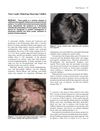
October 2013 in “Pediatric dermatology” Proper antifungal treatment is crucial to avoid misdiagnosis and prevent scarring alopecia.
 April 2017 in “Journal of Investigative Dermatology”
 Using a stimulating cream shampoo before applying Minoxidil increases its penetration into hair follicles and scalp.
A 15% clove leaf extract shampoo promotes hair growth but is less effective than minoxidil.
September 2023 in “Journal of the American Academy of Dermatology” Low-dose oral naltrexone may help reduce inflammation in some scarring alopecia patients.
 January 2022 in “International Journal of Research Publications”
 Griseofulvin effectively treats tinea capitis caused by Microsporum canis.
May 2026 in “Colloids and Surfaces B Biointerfaces” July 2025 in “Nutrición clínica y dietética hospitalaria/Nutrición clínica, dietética hospitalaria” Serenoa repens is the most effective supplement for treating androgenetic alopecia alone, while topical ketoconazole can be a helpful addition.
September 2019 in “Zagazig university medical journal” Minoxidil helps hair growth but has side effects.
September 2019 in “Case medical research” September 2025 in “Journal of the American Academy of Dermatology” 16 citations
,
July 1988 in “International Journal of Dermatology” The 2% minoxidil solution is safe and effective for treating male pattern baldness.
July 2026 in “Journal of the American Academy of Dermatology” 67 citations
,
July 2011 in “Clinical, cosmetic and investigational dermatology” The document suggests a personalized treatment plan for alopecia areata based on the patient's age and hair loss severity, using a range of therapies ranked by effectiveness and safety.
April 2023 in “Asian Medical Journal and Alternative Medicine” 2% minoxidil speeds up nail growth more than 5% minoxidil and is safe.
16 citations
,
December 2001 in “The Journal of Dermatology” A woman recovered from hair loss and skin eruptions after stopping a tuberculosis drug and using steroids.
5 citations
,
May 2025 in “Journal of the American Academy of Dermatology” 2 citations
,
August 2024 in “Preprints.org” Fluocinolone may help treat scalp symptoms in ichthyosis patients.
 24 citations
,
March 1987 in “Journal of The American Academy of Dermatology”
24 citations
,
March 1987 in “Journal of The American Academy of Dermatology” Minoxidil 1% and 2% best promote hair growth and may prevent hair loss.
54 citations
,
January 1980 in “Dermatology” 17α-estradiol lotion can reduce hair loss but doesn't promote new hair growth.
 September 2023 in “Pharmaceuticals”
 Tiny particles improved delivery of hair loss treatments to hair follicles, with lipid-based particles performing best.