7 citations
,
December 2021 in “Pharmaceutics” The nanoemulsion with garlic oil, apple cider vinegar, and minoxidil could effectively treat alopecia areata.
August 2025 in “Saudi Pharmaceutical Journal” The ointment effectively treats neurodermatitis and chronic eczema without causing skin irritation.
1 citations
,
September 2024 in “Life” Combining fractionated CO2 laser with tacrolimus may help treat chronic alopecia areata.
 49 citations
,
May 2018 in “Journal of the American Academy of Dermatology”
49 citations
,
May 2018 in “Journal of the American Academy of Dermatology” Applying 2% tofacitinib cream helped some children with severe hair loss grow back hair.
 5 citations
,
December 2022 in “Annals Academy of Medicine Singapore”
5 citations
,
December 2022 in “Annals Academy of Medicine Singapore” Some skin medications can have harmful interactions with the COVID-19 drug nirmatrelvir-ritonavir, but not with molnupiravir.
 42 citations
,
September 2018 in “Journal of Fungi”
42 citations
,
September 2018 in “Journal of Fungi” Terbinafine and itraconazole are more effective against Microsporum canis than fluconazole and griseofulvin.
December 2016 in “Journal of Pakistan Association of Dermatology” Systemic cyproterone acetate and 5% topical minoxidil are effective and safe for treating female pattern hair loss.
24 citations
,
July 2021 in “Pharmaceutics” Ruxolitinib cream effectively targets and treats inflammatory skin diseases.
 10 citations
,
May 2017 in “CMAJ. Canadian Medical Association journal”
10 citations
,
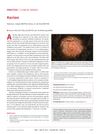
May 2017 in “CMAJ. Canadian Medical Association journal” The boy had a fungal scalp infection called kerion, which was cured with oral antifungal medication.
 September 2023 in “Journal of the American Academy of Dermatology”
 Topical tofacitinib helped a man with severe scalp condition after other treatments failed.
 4 citations
,
January 2019 in “Dermatology Online Journal”
4 citations
,
January 2019 in “Dermatology Online Journal” Low-dose naltrexone might be a cheap and effective additional treatment for hair loss with scalp discomfort due to its anti-inflammatory effects and few side effects.
 12 citations
,
January 2008 in “Drugs”
12 citations
,
January 2008 in “Drugs” Some topical treatments like corticosteroids and vitamin D analogues are effective for scalp psoriasis, but more long-term data is needed.
 July 2023 in “Journal of ayurveda and integrated medical sciences”
 Keshohills hair oil effectively reduces hair loss and treats dandruff.
 December 2014 in “Berkala Ilmu Kesehatan Kulit dan Kelamin”
 Griseofulvin effectively treats tinea capitis kerion type.
 8 citations
,
March 2002 in “Archiv Der Pharmazie”
8 citations
,
March 2002 in “Archiv Der Pharmazie” The compound 4c effectively inhibits the enzyme linked to hair loss.
17 citations
,
March 1985 in “Acta Dermato Venereologica” 1% topical minoxidil helped some hair regrow, but only one person had noticeable results.
 January 2024 in “Case Reports in Dermatological Medicine”
 Baricitinib may effectively treat nail changes in alopecia areata.
7 citations
,
September 1991 in “PubMed” 2% topical minoxidil helps hair regrowth in women with androgenetic alopecia.
37 citations
,
March 1986 in “Acta Dermato Venereologica” 1% minoxidil didn't improve hair growth in severe alopecia areata.
TrichoSolTM is safe for hair loss treatments with specific ingredient stability for up to 180 days.
5 citations
,
February 2013 in “PubMed” An 11-year-old girl's hair loss was caused by a Cladosporium fungal infection, which was cured with itraconazole treatment.
 March 2005 in “Journal of the American Academy of Dermatology”
 Bexarotene 1% topical gel helped some patients with alopecia areata regrow hair.
May 2013 in “DOAJ (DOAJ: Directory of Open Access Journals)” The multimodal microemulsion with minoxidil, diclofenac, and tea tree oil is more effective for hair growth than minoxidil alone.
June 2015 in “Reactions weekly” December 2012 in “Reactions weekly” January 2026 in “ACS Applied Bio Materials” A new treatment using nanoliposomes can improve hair regrowth in androgenetic alopecia.
January 2016 in “Çağdaş tıp dergisi” Topical 1% pimecrolimus effectively treated alopecia areata.
12 citations
,
October 2001 in “Journal of the American Academy of Dermatology” Topical 5% minoxidil lacks strong evidence for treating alopecia areata.
Ruxolitinib cream shows promise for vitiligo, and early melanoma diagnosis is crucial.
 January 2026 in “Lumbung Farmasi Jurnal Ilmu Kefarmasian”
 The topical formula with sidr leaves and roasted candlenut extracts significantly boosts hair growth for alopecia.