 1 citations
,
March 2023 in “Frontiers in Cardiovascular Medicine”
1 citations
,
March 2023 in “Frontiers in Cardiovascular Medicine” A specific gene variant is linked to heart disease, increased heart muscle, curly hair, and thick skin on palms and soles.
26 citations
,
June 2003 in “PubMed” Alpha-difluoromethylornithine prevents cancer in mice but causes hair loss.
Controlling Tslp can improve health in AEC syndrome patients.
January 1990 in “대한피부과학회지” Peanut agglutinin staining helps differentiate malignant melanoma from nevocellular nevus.
 November 2021 in “Authorea (Authorea)”
 PRP treatments and hair transplantation may be linked to the progression of pseudolymphoma to lymphoma.
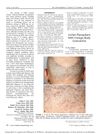 5 citations
,
April 2014 in “The American Journal of Dermatopathology”
5 citations
,
April 2014 in “The American Journal of Dermatopathology” Foreign-body granuloma may be a marker for late-stage Lichen Planopilaris and should be considered in diagnosis.
June 2020 in “Jurnal Penyakit Dalam Indonesia” Anti-DFS70 antibodies can help identify nonsystemic autoimmune conditions in SLE patients.
30 citations
,
February 2010 in “The journal of investigative dermatology/Journal of investigative dermatology” Plet-1 protein helps hair follicle cells move and stick to tissues.
 17 citations
,
December 2001 in “Journal of Investigative Dermatology”
17 citations
,
December 2001 in “Journal of Investigative Dermatology” The osteopontin gene is active in a specific part of rat hair follicles during a certain hair growth phase and might affect hair cycle and diseases.
 165 citations
,
September 2001 in “Genes & development”
165 citations
,
September 2001 in “Genes & development” CDP is crucial for lung and hair follicle cell development.
 May 2015 in “Journal of The American Academy of Dermatology”
 Mycophenolate mofetil may improve symptoms and stop hair loss in Lichen planopilaris, but more research is needed.
 September 2024 in “Genes”
 CRABP1 boosts hair cell growth in Hu sheep by affecting key genes.
13 citations
,
January 2010 in “Immunopharmacology and immunotoxicology” Diphencyprone increases Bcl-2 protein in patients with hair regrowth from alopecia areata.
 November 2023 in “The journal of investigative dermatology/Journal of investigative dermatology”
 Removing MCPIP1 from myeloid cells in mice leads to hair loss and prevents skin tumors but causes pigmented spots.
 218 citations
,
October 2013 in “Proceedings of the National Academy of Sciences of the United States of America”
218 citations
,
October 2013 in “Proceedings of the National Academy of Sciences of the United States of America” Mice lacking the PPARγ gene in their fat cells had almost no fat tissue, severe metabolic problems, and abnormal development of other fat-related tissues.
June 2026 in “Biomolecules and Biomedicine” Phoenixin levels are higher in PCOS patients and may help in diagnosis.
1 citations
,
October 2019 in “PubMed” Removing the p75 gene in mouse skin cells didn't affect their skin or hair growth.
May 2009 in “Faculty Opinions – Post-Publication Peer Review of the Biomedical Literature” PPARgamma is crucial for healthy hair follicles, and its loss causes scarring alopecia.
48 citations
,
April 2008 in “Human Molecular Genetics” Progerin affects cell shape but not hair or skin in mice.
1 citations
,
May 2022 in “International journal of molecular sciences” Faulty LEF1 activation causes faster skin cell differentiation in premature aging syndrome.
 19 citations
,
January 2001 in “Internal Medicine”
19 citations
,
January 2001 in “Internal Medicine” Protein-losing enteropathy worsened with lupus symptoms but improved with prednisolone.
 6 citations
,
May 2021 in “Stem Cell Reviews and Reports”
6 citations
,
May 2021 in “Stem Cell Reviews and Reports” Newly found stem cells in horse hooves show promise for treating a hoof disease called laminitis.
 14 citations
,
November 1963 in “The journal of investigative dermatology/Journal of investigative dermatology”
14 citations
,
November 1963 in “The journal of investigative dermatology/Journal of investigative dermatology” Pathologic tissues have more soluble proteins than normal tissues.
 July 2018 in “Elsevier eBooks”
 Lichen Planopilaris is a hair loss condition best treated early with various medications, including hydroxychloroquine, to prevent permanent baldness.
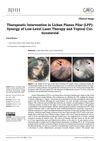 January 2024 in “Brazilian Journal of Hair Health”
 Combining low-level laser therapy with topical corticosteroids effectively improved Lichen Planopilaris symptoms.
3 citations
,
April 2024 in “Molecular Human Reproduction” Paxillin may help manage androgen-related disorders like PCOS by stabilizing androgen receptor proteins.
5 citations
,
July 2017 in “Molecular Medicine Reports” Lygodium japonicum spores can reduce inflammation by blocking certain cell signals.
 5 citations
,
January 2012 in “PubMed”
5 citations
,
January 2012 in “PubMed” Anti-MND antibodies are present in various diseases, not just PBC, and their levels don't correlate with disease activity or skin symptoms.
 1 citations
,
January 2023 in “Biochemical and biophysical research communications”
1 citations
,
January 2023 in “Biochemical and biophysical research communications” Keratin 79 is linked to liver damage and may help diagnose liver diseases.
July 2024 in “Journal of Investigative Dermatology” A new test helps find drugs to treat head and neck cancer by targeting c-Rel.