 10 citations
,
August 2016 in “Oxford Medical Case Reports”
10 citations
,
August 2016 in “Oxford Medical Case Reports” Tocilizumab therapy may cause skin and hair conditions like halo naevi, vitiligo, and alopecia areata.
46 citations
,
December 1997 in “Cancer Nursing” CHOP chemotherapy for non-Hodgkin's lymphoma commonly causes hair loss, fatigue, taste changes, and nausea.
April 2026 in “ENLIGHTEN (Jurnal Bimbingan dan Konseling Islam)” 2 citations
,
July 2025 in “Forensic Sciences” Anabolic-androgenic steroids can damage the brain, causing mood and cognitive problems.
 25 citations
,
July 2024 in “Frontiers in Pharmacology”
25 citations
,
July 2024 in “Frontiers in Pharmacology” Rimegepant causes more nausea and skin issues, while ubrogepant causes more muscle issues; personalized treatment is important.
 114 citations
,
January 2007 in “Drug Safety”
114 citations
,
January 2007 in “Drug Safety” Some drugs can cause skin, nail, and hair problems, which are important for healthcare professionals to recognize and report.
24 citations
,
December 1997 in “Mayo Clinic proceedings” Carbamazepine may cause lung problems and lupus-like symptoms, which can improve after stopping the drug.
 August 2020 in “Current psychopharmacology”
 Pregnancy and nursing increase certain brain activities in rats, but these changes disappear when the babies are taken away.
May 2026 in “Indian Dermatology Online Journal” Be critical of before-and-after photos in dermatology to avoid misleading impressions.
 November 2019 in “Synapse”
 Brain-made chemicals can control nerve cell function differently in various parts of a mouse's brain, which may help us understand neurological conditions.
 May 2026 in “Pharmaceuticals”
 Incretin-based drugs for obesity often cause gastrointestinal issues, with tirzepatide having the most reports.
March 2025 in “Molecular Neurobiology” November 2003 in “Journal of Neurochemistry” Allopregnanolone may enhance alcohol's effects on dopamine neurons, influencing addiction risk.
13 citations
,
May 2007 in “Journal of Endocrinology” Synthetic 19-norprogestins promote bone cell growth and function through their non-phenolic metabolites.
1 citations
,
January 2013 in “Digital Scholarship - UNLV (University of Nevada Reno)” Targeting neurosteroids may help prevent drug relapse.
 May 2009 in “South African Family Practice”
 The author believes that giving medical conditions official names can sometimes overwhelm or scare patients.
 April 2018 in “Journal of Investigative Dermatology”
 Nicotinic acid reduces excessive oil production in skin cells by activating a specific receptor, which could help treat acne.
 16 citations
,
March 2013 in “JAMA Dermatology”
16 citations
,
March 2013 in “JAMA Dermatology” A cancer drug called nilotinib might cause hair loss due to inflammation around hair follicles.
20 citations
,
February 1994 in “American Journal of Ophthalmology” Thallium poisoning can cause serious eye problems and other severe health issues.
 3 citations
,
February 1985 in “PubMed”
3 citations
,
February 1985 in “PubMed” Stopping the beta-blocker nadolol led to quick hair regrowth and improved scalp condition.
 June 2018 in “Journal of Clinical Periodontology”
 Finasteride may cause gum problems, but stopping the drug can improve these issues.
1 citations
,
October 2025 in “Scientific Reports” Sonidegib and vismodegib have different side effects and reporting patterns.
Eye drops with β-blockers may cause hair loss.
 60 citations
,
November 2020 in “International Journal of Medical Sciences”
60 citations
,
November 2020 in “International Journal of Medical Sciences” NIR light therapy may effectively treat eye diseases and improve brain function without side effects.
14 citations
,
June 1982 in “Archives of Dermatology” A man had bad reactions to a hair loss treatment called DNCB.
 January 2023 in “Han'gug mi'saengmul saengmyeong gong haghoeji/Han-guk misaengmul saengmyeong gonghak hoeji”
 NOC-4 extract promotes black hair and hair growth effectively.
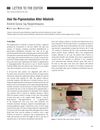 April 2025 in “Turkish Journal of Hematology”
 Nilotinib may cause gray hair to return to its original color.
1 citations
,
April 2002 in “PubMed” Anti-epileptic drugs may cause visual and hair side effects due to enzyme inhibition, especially in genetically predisposed individuals.
 February 2024 in “Brain research bulletin”
 Blocking androgen activity in newborn rats affects body weight and appetite-related hormones differently in males and females.
 7 citations
,
November 2020 in “Journal of The American Academy of Dermatology”
7 citations
,
November 2020 in “Journal of The American Academy of Dermatology” Low-dose oral minoxidil may cause side effects like hypertrichosis and is not suitable for everyone.